W Nowy Rok licytacja kilku dobrych (tj. prawdziwych) prac polskich artystów w Nadeau’s Gallery, mieszczącej się w byłej stodole farmy w stanie Connecticut, USA. Jako pierwszy licytowany był niedatowany gwasz Jerzego Tchórzewskiego. Nie potrafię powiedzieć kiedy artysta go namalował ale mogę powiedzieć, że ma dobrą proweniencję. Zgodnie z opisem, był w posiadaniu rodziny mieszkającej na Manhattanie na jednej z najbardziej ekskluzywnej ulicy, Park Avenue w tzw. Upper East Side. Zainteresowanie pracą może być spore.
Lot 528. Jerzy Tchorzewski (1928 – 1999). Abstract Composition, gouache and watercolor on paper, signed lower right, J. Tchorzewski, sight size: 27″ x 19 1/2″Provenance: The Estate of Alina Roisen, Park Avenue, New York. Estimate $2,000 – 4,000. Nadeau’s Auction Gallery. 01/01/21
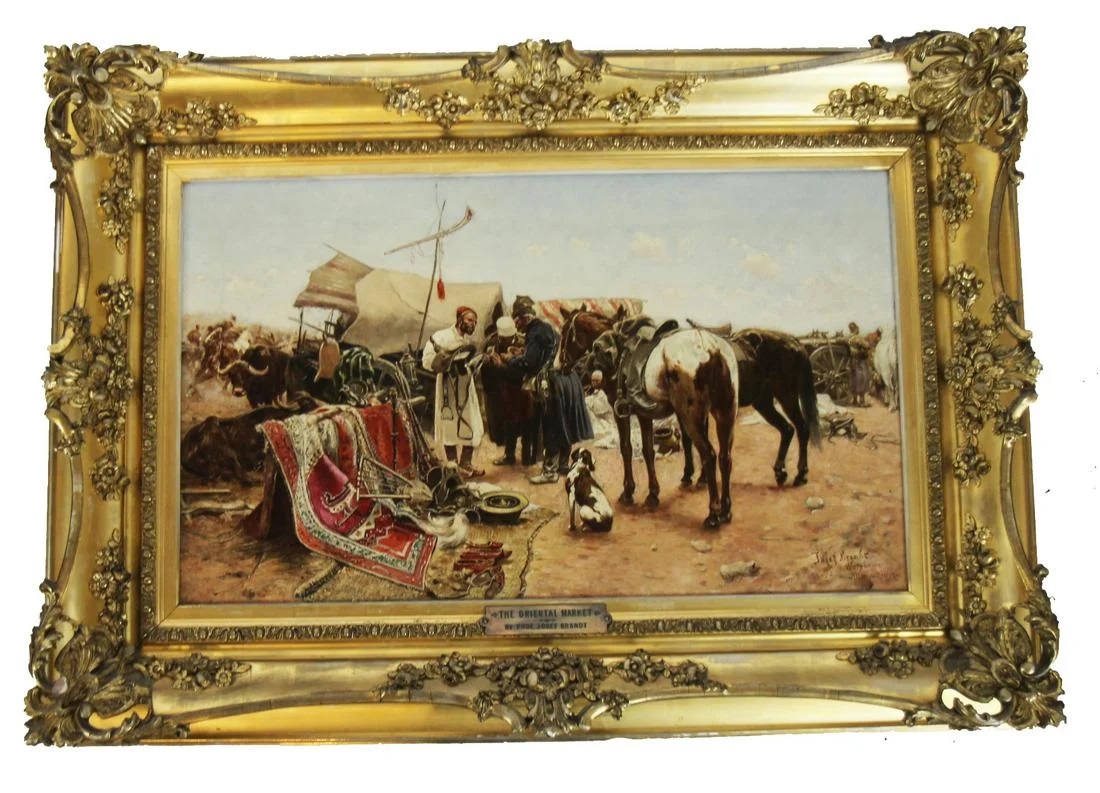
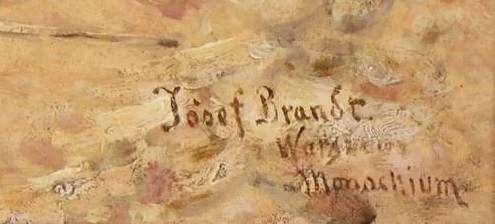
Lot 229 A. After Josef Brandt oil on canvas in gilt frame, signed and inscribed “Josef Brandt / Warszawy / Monachium” lower right; inscribed on the stretcher “At The Oriental Market / By Proff Josef Brandt”. Provenance: Lipert Gallery, Brooklyn, acquired by Dorothea Benton Frank in 1988. [Art: 15″ H x 28 1/8″ W; Frame: 24″ H x 34 3/4″ W]. Estimate $2,000 – 3,000. Roland. 01/02/21. Sold $4,500 (hammer).
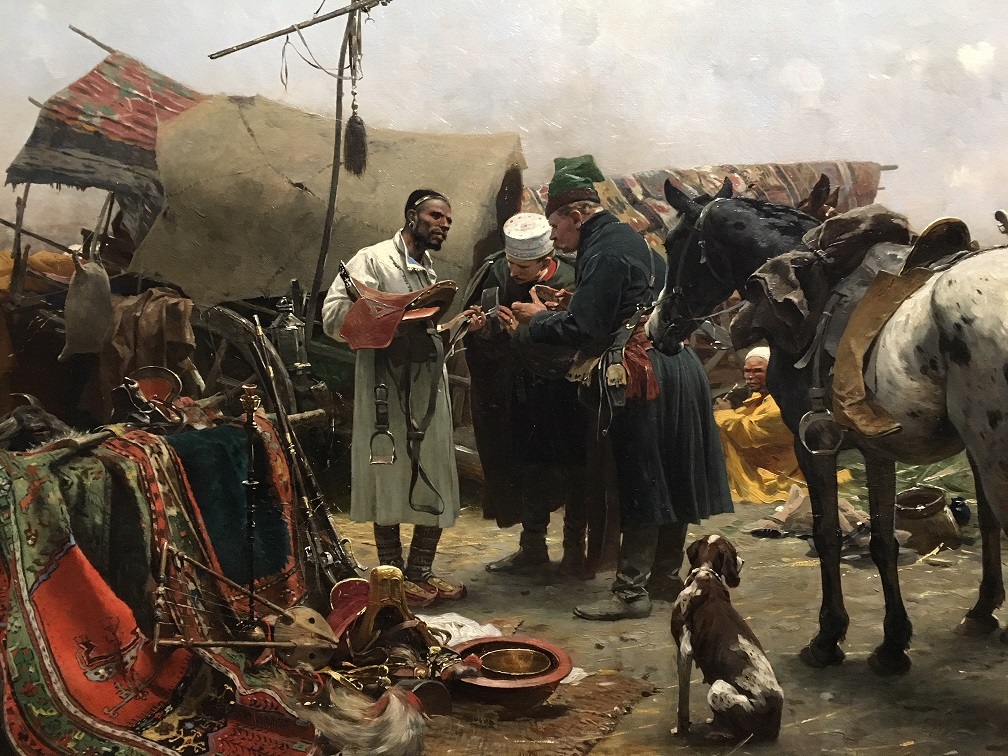
Moim zdaniem, obrazowi temu wiele brakuje by nazwać go pracą Józefa Brandta lub nawet dobrą kopią. Pisałem przy okazji wątku obu Szernerów, że kto raz widział na własne oczy prawdziwy obraz, w tym przypadku Józefa Brandta, tego będą odstraszały prace jak ta, z sygnowaniem ‘Josef’. Bylem w 2018 roku w NM w Warszawie kilka razy na wystawie prac Józefa Brandta i kilka fotografii wykonanych własnym aparatem prawdziwej jego pracy załączam poniżej. Trzeba oddać sprawiedliwość obecnie domowi aukcyjnemu, że dodał przed słowem malarza słowo ‘after’, lecz jedynie w opisie. W tytule katalogowym ta praca zaliczona jest do dorobku malarza.
Fotografia autora prawdziwej pracy Józefa BrandtaFragment.Fragment
Przy okazji, mogę dodać, że byłem w przeszłości kilka razy na aukcjach w Lippert Gallery, na Brooklynie, prowadzonej przez p. Legutko. Widziałem tam raz niezły obraz z sygnaturą Ludwika Gędłka, który był za dobry na pracę Gędłka i nie wykonany jego ręką. Powoływanie się obecnie na taką proweniencję, w przypadku Brandta, to spore nadużycie autorstwa. Przechodziły w Lippert Gallery różne prace. Jeśli konkretnie ten obraz został tam rzeczywiście sprzedany (a mógł być) to proszę nie powoływać się w przyszłości na Lippert Gallery. Mogło tak być, lecz również może to jest obecnie jedynie trick marketingowy.
Kopia obrazu Józefa Brandta sprzedanego w Desie Unicum w Warszawie (2015 i 2020)
Lot 33. Boleslaw Szankowski (1873 – 1953) Market in Balta (after Jozef Brandt), oil on canvas, 54 x 73 cm, signed lower right: ‘B. Szankowski’. Desa Unicum. Sold for 26,000 PLN. 12/05/2015. Sold for 22,000 PL at Desa Unicum on 12/17/2020.
Inna sprawa, że kopii tego obrazu Józefa Brandta jest sporo na rynku. Czasami trafi się d sygnowana nazwiskiem innego znanego malarza, np. Bolesława Szańkowskiego, bo nikt by nie uwierzyłby w sygnaturę Brandta. Takie szkaradztwo dwa razy sprzedała już Desa-Unicum w Warszawie: w 2015 roku za 26,000 PLN a w 2020 roku jedynie za 22,000 PLN. Spadek ceny idzie ze spadkiem formy Desy i chyba spadkiem jakości ich ekspertów.
Kopia pracy Józega Brandta sprzedana w Shapiro z sygnaturą Antoniego Piotrowskiego
Lot 32. ANTONI PIOTROWSKI (POLISH 1853-1924), “Caravan, after Jozef von Brandt’s ‘Jarmark v Balcie'”, oil on canvas, 59 x 78 cm. (23 ¼ x 30 ¾ in.), signed ‘A. Piotrowski’ lower left. Estimate $15,000 – 20,000. Sold $10,000. Shapiro. 04/28/12.
Inny przypadek sprzedaży kopii tej kompozycji Brandta miał miejsce z sygnaturą Antoniego Piotrowskiego. Shapiro sprzedał taką pracę za $10,000, dużo poniżej wyceny. Jestem przekonany, że spotkamy w przyszłości jeszcze inne kopie.
Osobiscie widziałem w jedym ze sklepów na Greenpoincie inną kopię pracy Brandta, ‘Próba konia’ za jedynie $3,000 z osobistą gwarancją sprzedającego, że jest to kopia wykonana przez Józefa Brandta. Proszę roztropnie wydawać swoje pieniądze.
PS. W chwili gdy piszę obraz z aukcji w Roland już osiągnął cenę $2,000. Ktoś go kupi z radością.
Czytelnikom blogu dziękuję za zaglądanie na jego strony i życzę zakupów dobrych prac malarskich w Nowym Roku roku, satysfakcji z ich posiadania i powiększania kolekcji. Życzę wytrwałości i sukcesów w przeszukiwaniu katalogów, nieustannego wzbogacania wiedzy, ostrożności, zdrowego rozsądku i zimnej krwi w trakcie licytacji.
Dziękuję Ekspertom za komentarze i uwagi.
Najwięcej czytelników miałem w tym roku oczywiście w Polsce, choć również było spore zainteresowanie w pozostałych 123 państwach zaznaczonych na mapie.
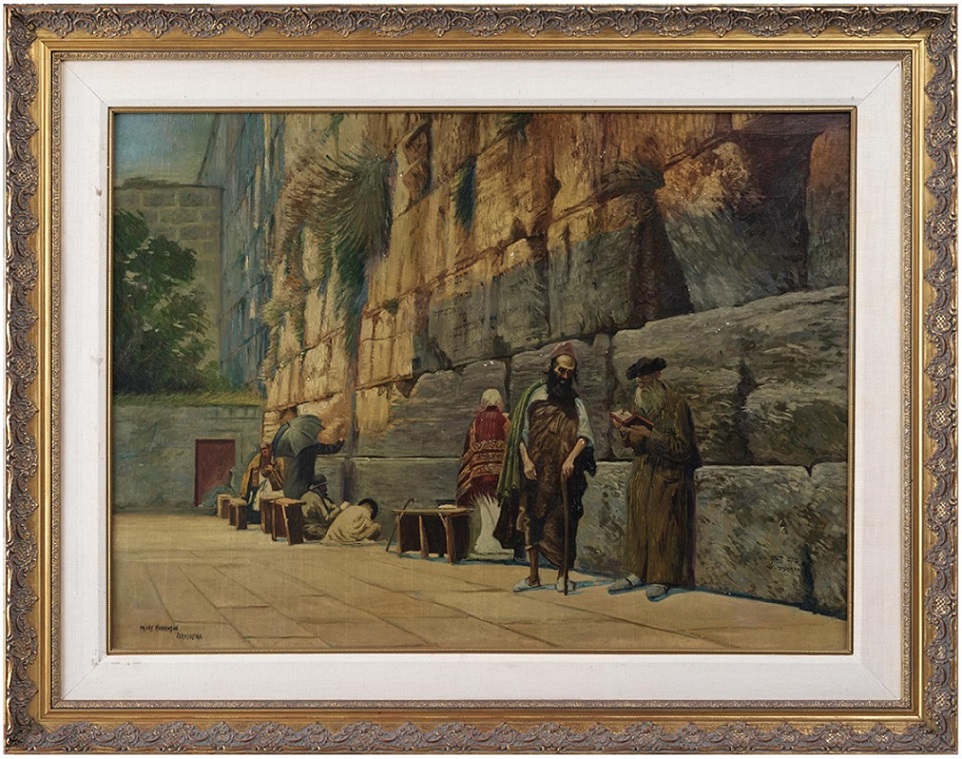
Maks Haneman.Jews praying in front of the Western Wall
Dobra praca i nie razi swoją orientalną tematyką. Dwa oleje Maksa Hanemana (Maxa Hannemana) o podobnej tematyce i podobnych tytułach znajdują się w zbiorach Żydowskiego Instytutu Historycznego w Warszawie. Sporo bardzo dobrych zakopiańskich pejzaży tego malarza było na aukcjach Polsce, jak też niezłych portretów. Haneman to kolejna ofiara ludobójstwa niemieckiego.
Lot 22. MAKS HANEMAN (1882 1941). “Jews praying in front of the Western Wall”. Oil on canvas, Jerusalem, circa 1925. Signed on the lower left, and signed in Hebrew on the lower right. This large work represents Jews of Ashkenazi and Yemenite origin praying in front of the Western Wall in Jerusalem. in the 1920s, only a small part of the Wall was accessible to the worshipers, unlike today. Bright work, painted with warm colours. H_70 cm L_100 cm (27 ⁹/₁₆ x 39 ³/₈ in).
MAKS HANEMAN (1882-1941). Maks Haneman was born in 1882 in Lodz and started to study in the Academy of Fine Arts of Krakow in 1907, as a disciple of Leon Wyczolkowski and Teodor Axentowicz. After spending several years at university and three years at the Fine Arts School in Warsaw, he returned to the Academy of Fine Arts in Krakow where he graduated in 1920. He travelled twice to Palestine, which had a strong influence on his work. Views of the holy sites of all three monotheistic religions were present in the multiple exhibitions of his paintings in Poland (Lodz, Krakow, Warsaw). He lived in the Polish Tatra mountains in Zakopane for a certain time and painted landscapes inspired by this region. At the outbreak of World War II, he returned to Lodz and was deprived of all his properties and ended up in the Lodz ghetto where he probably died between 1941 and 1944. Estimate 3,000 – 5,000 euro. Pierre Berge & Associes. 02/01/21
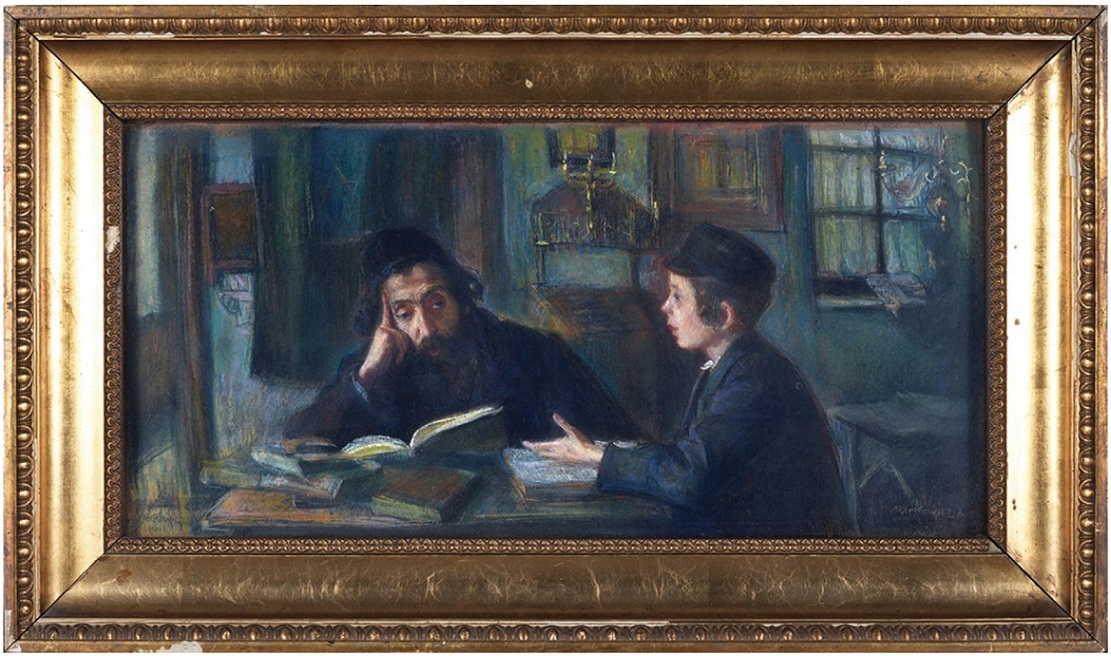
Typowy, dobry, obraz Artura Markowicza trafiający tematyką głównie do stosunkowo wąskiego grona odbiorców kultury żydowskiej.
Lot 57. ARTUR MARKOWICZ (1872 1934). “The prodigal child”, circa 1920. Pastel on paper. Signed on the lower left. The scene shows a brilliant young pupil whose question seems to leave his teacher perplexed. Talmudic schools tend to make the relevance of questioning prevail over the pupils’ ability to know precise answers. H_18 cm L_59 cm (à vue) (7 ³/₃₂ x 23 ¹⁵/₆₄). Artur Markowicz (1872-1934) is a Jewish realist painter and graphic artist born in Podgorze, next to Krakow in Poland. He is famous for his pastels of streets in the historic Jewish town of Kazimierz (nowadays a district of Krakow). His works can be found at the national Museum in Gdansk, Krakow, Warsow, and in other State Museums in Poland and Israel. He studied at the academy of fine arts in Krakow and in the academy of fine Arts in Munich and Paris. In 1904, he set up his studio in the historic district in Kazimierz. His Jewish scenes and characters studies show a unique originality of his style influenced by symbolism, with elements of expressionism. Estimate 2,000 – 4,000 euro. Pierre Berge & Associes. 02/01/21
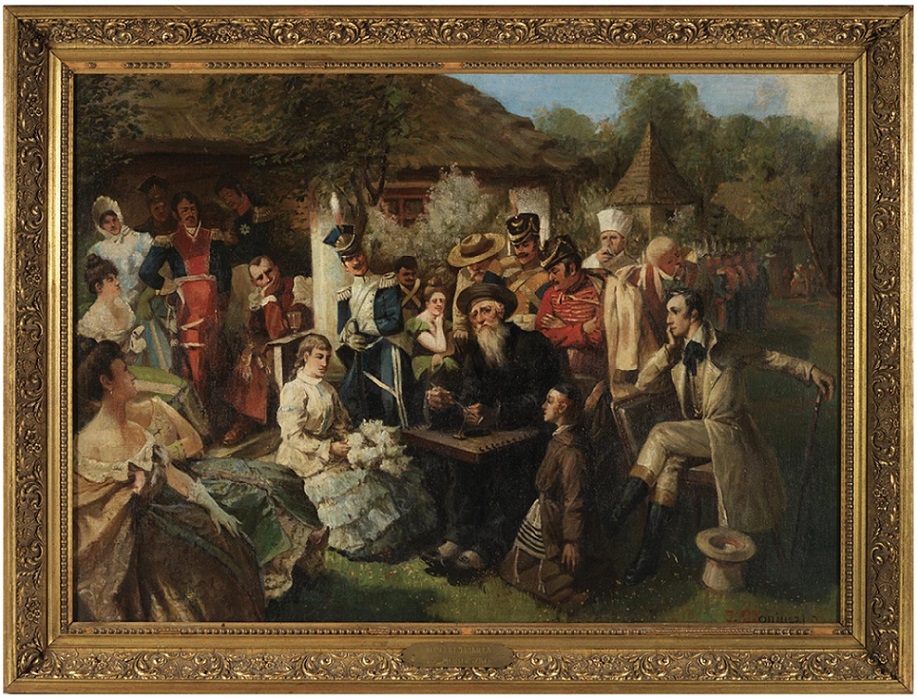
‘Koncert Jankiela’ był przedmiotem prac malarskich wielu polskich artystów. Jedną z interpretacji wykonał Czesław Moniuszko, malarz średniej klasy, lecz lubiany przez kolekcjonerów zw względu na nawiązywanie przez niego do historii i tradycji polskiej. Artysta malował również sceny dworskie ale te nie są aż tak popularne. Praca z aukcji we Francji jest literacko pewnie dobra ale wykonanie tej zatłoczonej kompozycji jest bardzo słabe. Wystarczy popatrzeć na twarze, zwłaszcza kobiece, od dolnego lewego roku aż do góry by przekonać się, że mało maja wspólnego z plastycznością. Nawet Zosia siedząca blisko Jankiela jest i smutna i nie aż tak piękna (jak np. Alicja Bachleda-Curuś), jak należałoby oczekiwać, w dodatku również z płaską buzią. Lepiej artyście udały się postacie ułanów.
Wydaje się, że ten obraz warty jest ściągnięcia do Polski, właśnie ze względu na powiązania z polską kulturą. Trzeba jednak pamiętać, że obraz ten przywędrował na tę francuską aukcję nie ze ściany starej polskiej emigracji, lecz właśnie z Polski, gdzie niedawno był licytowany w Agrze-Art i w końcu został sprzedany w galerii tego domu aukcyjnego (https://galeria.agraart.pl/autor/757/jan-czeslaw-moniuszko). Zatem, jest to próba wylicytowania wyższej sumy od tej z Agry-Art i zachęcenie do powtórnego przewiezienia obrazu na polskie aukcje. Czy to się uda? Wycena obrazu jest rozciągliwa jak guma w portkach (3-10K euro). 10,000 euro to dużo za słaby obraz, choć jego patriotyczne przesłanie jest bez skazy.
Lot 21. Jan Czeslaw Monuisczko (Vilnius 1853 Warsaw 1908). “Yankiel’s concert”. Oil on canvas, end of 19th century. Signed on the lower right side. Yankiel’s concert represents a scene of Adam Mickiewicz’s (1798-1855) poem « Pan Tadeusz » (first published in 1834), in which a Jewish man named Yankiel plays music to honour the engagement of a couple originating from noble polish families. The character of Yankiel is one of the most important representations of a Jew in classic polish literature. Many other works of art were inspired by this scene, among which Jan Czeslaw Monuisczko’s painting is considered the most important. H_70 cm L_98 cm (27 ⁹/₁₆ x 38 ³⁷/₆₄ in)
JAN CZESLAW MONUISZKO (1853-1908). Jan Czeslaw Monuisczko was the son of the famous composer Stanislaw Moniusczko (1819-1872). Born in Vilnuis in 1853, he moved to Warsaw with his parents in 1858. From 1871, he studied painting under Wojciech Gerson and Aleksander Kaminski. From 1878, he continued his studies at the Academy of Fine Arts in Saint-Petersburg. After returning to Warsaw, following his graduation, Monuisczko specialised in genre scenes painting. He was particularly famous for painting Polish noble costumes in historical context. Some of his painting also had a religious content. He exhibited in Lodz, Krakow, Warsaw and Kiev. Estimate 3,000 – 10,000 euro. Pierre Berge & Associes. 02/01/21
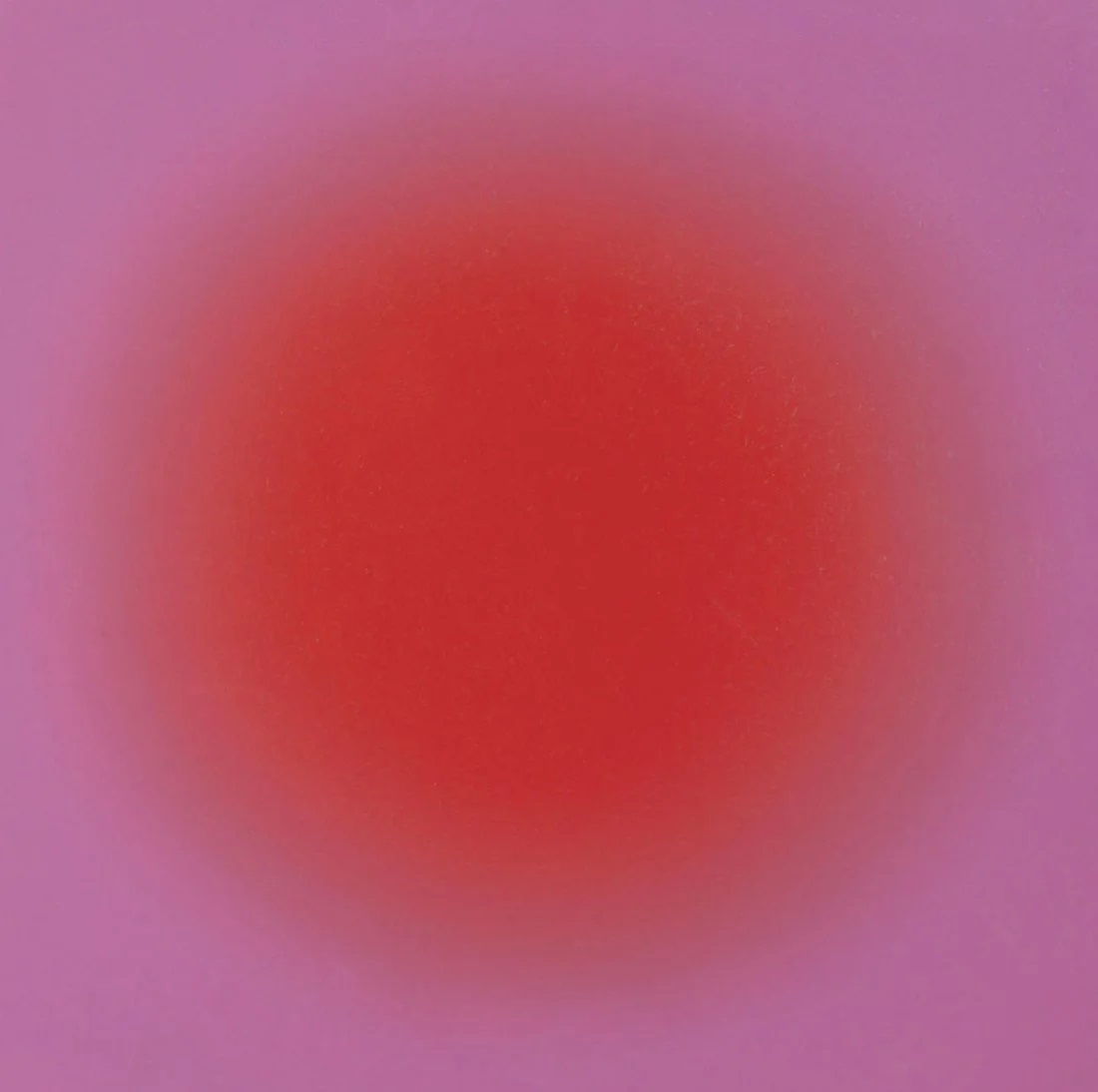
Trochę zabawny jest ten opis katalogowy a entuzjazm graniczy z nerwowością i niepewnością domu aukcyjnego: za ile M62 da się sprzedać? Cena wyjściowa i estymacyjna patrzą na siebie ze zdziwieniem i ta wytworzona sytuacja sugeruje czytelnikom brak znajomości współczesnego rynku przez dom aukcyjny. Jednak, dla równowagi opinii, muszę zgodzić się, że cena wyjściowa w przypadku tej pracy jest abolutnie adekwatna. To, że znajdą się osoby gotowe zapłacić za ten obraz $100,000 a może wielokrotność tej ceny to nie oznacza, że mają rację. W 1990 roku ten obraz nie osiagnąłby $1,000 na żadnej aukcji a w 2009 został już sprzedany za $22,500: https://www.christies.com/lot/lot-wojciech-fangor-m62-5179443/.
Podnoszenie poprzeczki cenowej trwa odkąd świeżo dyplomowani krytycy po ukończeniu Wyższj Szkoły Gotowania na Gazie rozpoczęli odkrywanie nowych i jeszcze nowszych wartości. Połączenie działalności krytyków z naganiaczami domów aukcyjnych działa (jak na razie) na lemingów jak kiełbasa na psa. Nieprawdaż?
Lot 46. M62 is a original painting by Wojciech Fangor by the famed Polish Painter, produced in 1968. These are very hard to come by indeed, especially in such a great condition. These heat circle series have become very popular indeed at Auction and are starting to gain some real traction in the Art Market of recent years. The painting and smoothness of the Acrylics, are a wonder to behold and a testament to Fangors skill with the brush: they almost look spray painted. On the reverse, in black oil paint is the inscription FANGOR M62 1968. As previously mentioned, this is in a very unique condition. The Acrylics look vital, bright and luminous. There is no visible damage to the paint, canvas or ay part of the firm, it is unusual. 60.3 x 60.3 cm. Estimate $70,000 – $90,000. Starting $5,000. Berry Art. 01/16/21
Obraz ten zniknął nagle z katalogu aukcyjnego, zapadł się pod ziemię i nie był licytowany. Zagadkowa historia. (01/17/21)
Bardzo sobie cenię wczesną twórczość tego malarza. Jego krótkotrwałe zafasynowanie japonizmem doprowadzilo do powstania kilku znakomitych martwych natur. Im póżniej było tym gorzej dla jego prac. Przykładem jest ten trochę banalny portret kobiety. Dom aukcyjny sugeruje, że namalowaną jest jego żona, Pola. Cena estymacyjna jest nierealna.
lot 114. A very old painting by Meyer Trebac, Mauricy Trebacz 1904 . 1861-1941 Warsaw Poland, died in the Lodz Ghetto, during the Holocaust. Graduated from the Kraków where he enrolled in the Academy of Fine Arts. A quality portrait of a woman, probably his wife Perla, Paula, Trevech. The painting is in great condition. Underwent conservation / rehabilitation / treatment, in 2009. Dimensions about 77 * 105 cm, without the frame.Dimensions about 90 * 117 cm with frame. A rare painting, a great opportunity for a collection of extinct Jewish painters by the Nazi. The painting originates from a Haifa family. Estimate $6,000 – 10,000. Art Assets. 12/29/20
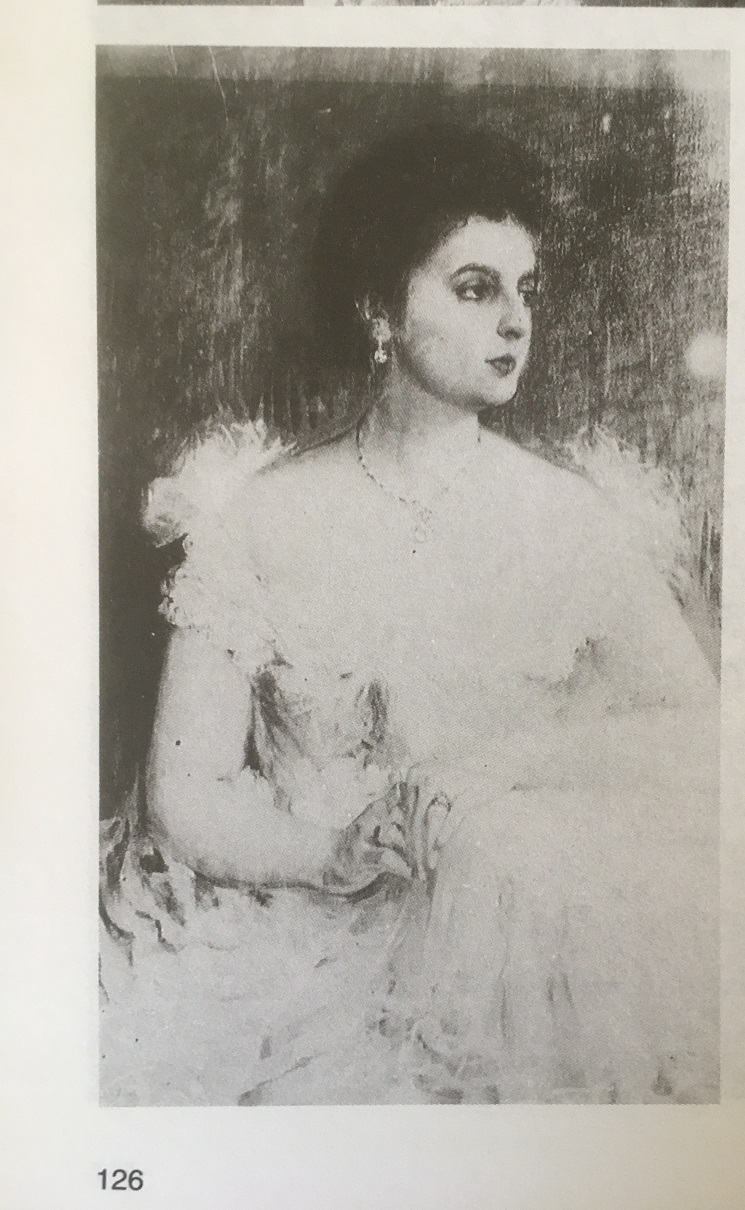
Pozwoliłem sobie dodać fotografię z książki o której wspomina p. Piotr:
Nie rozumiem tych, którzy gotowi są zapłacić od 1,000 do 3,000 euro za powielane w nieskończonośc prace Władysława Chmielińskiego a grymaszą gdy mają wydać 300 euro za oleje Leszka Piaseckiego, o niebo od nich lepsze.
Lot No. 194-025502/0017. Leszek Piasecki (Lemberg 1928-1990) Troika, signiert: Leszek Piasecki, Öl auf Holz, ca. 29 x 39 cm, gerahmt. Starting 300 euro. Dorotheum. 01/12/21