Tadeusz Kantor (1915 – 1990)

Kantor-94

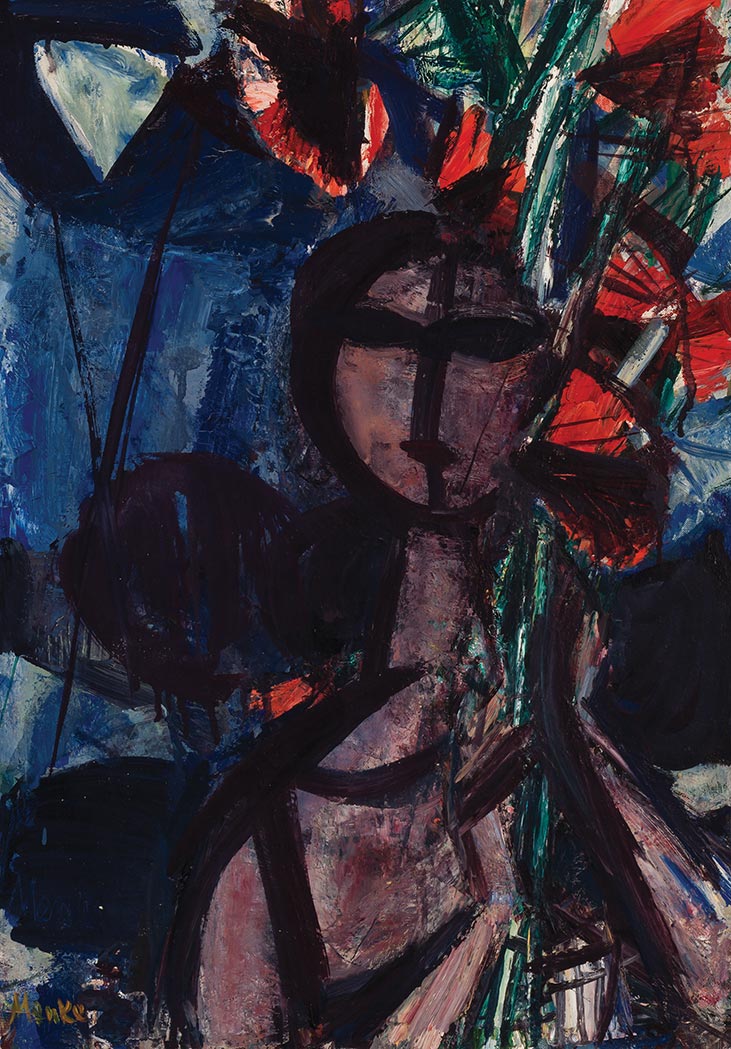
Lot 94. Tadeusz Kantor
Untitled (abstract composition), 1964
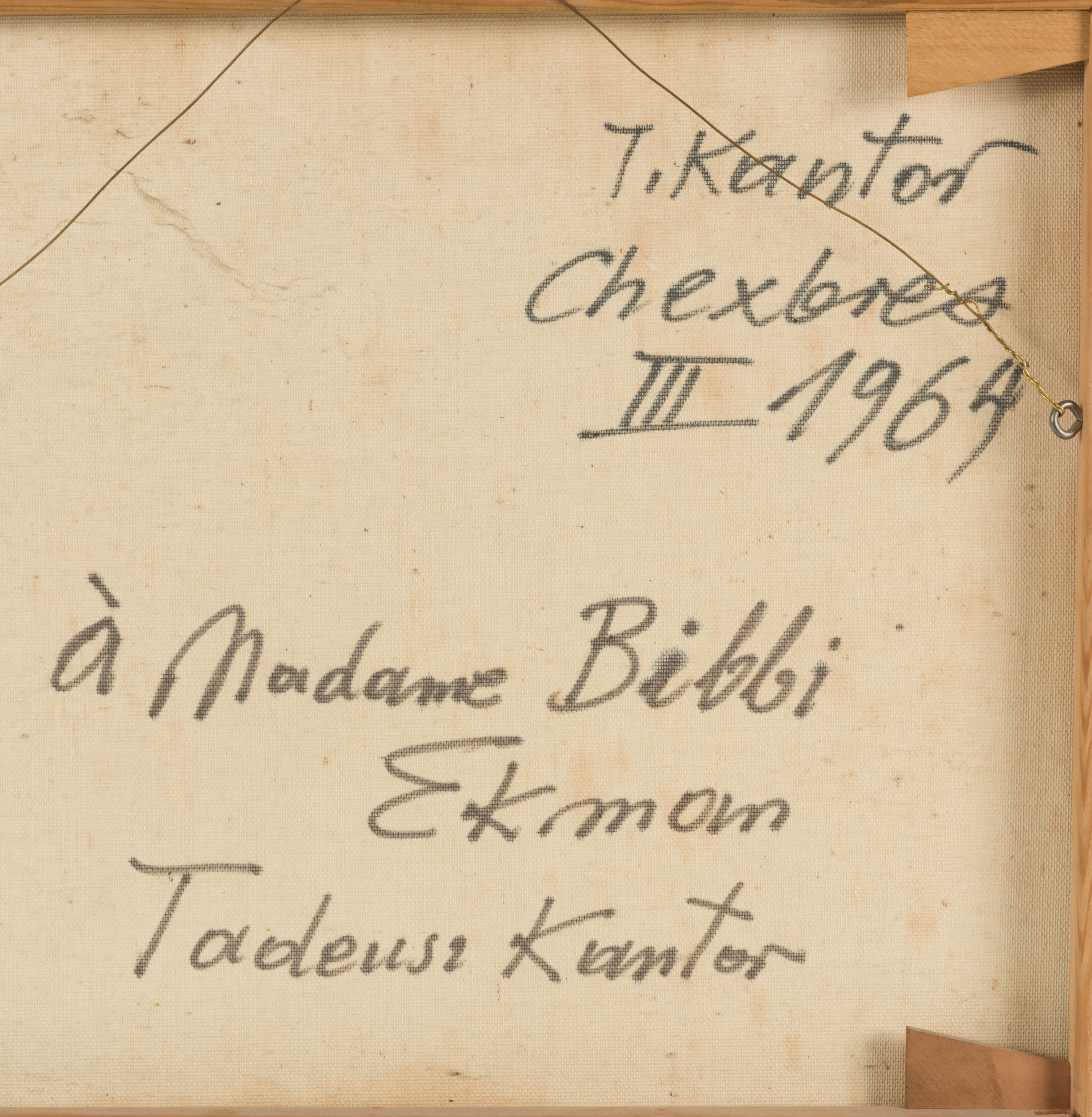
Oil on canvas. 38.0 x 46.0 cm. Signed: Kantor (oil). Verso signed: T. Kantor, 1964, Chexbres, dedication: a Madame Bibi Ekman Tadeusz Kantor (black sharpie).

Estimate 22,000-24,000 euro. Quittenbaum Kunstauktionen, 05/22/17
Kantor-94B


Kantor-95

Lot 94. Tadeusz Kantor
Untitled (abstract composition), 1964
Oil on canvas. 38.0 x 46.0 cm. Signed: Kantor (oil). Verso signed: T. Kantor, 1964, Chrexbres, dedication: a Hakan Tadeuzs Kantor (black sharpie).

Estimate 22,000-24,000 euro. Quittenbaum Kunstauktionen, 05/22/17

Kantor-95B

Kazimierz Olpiński (1875 – 1936)

Olpinski

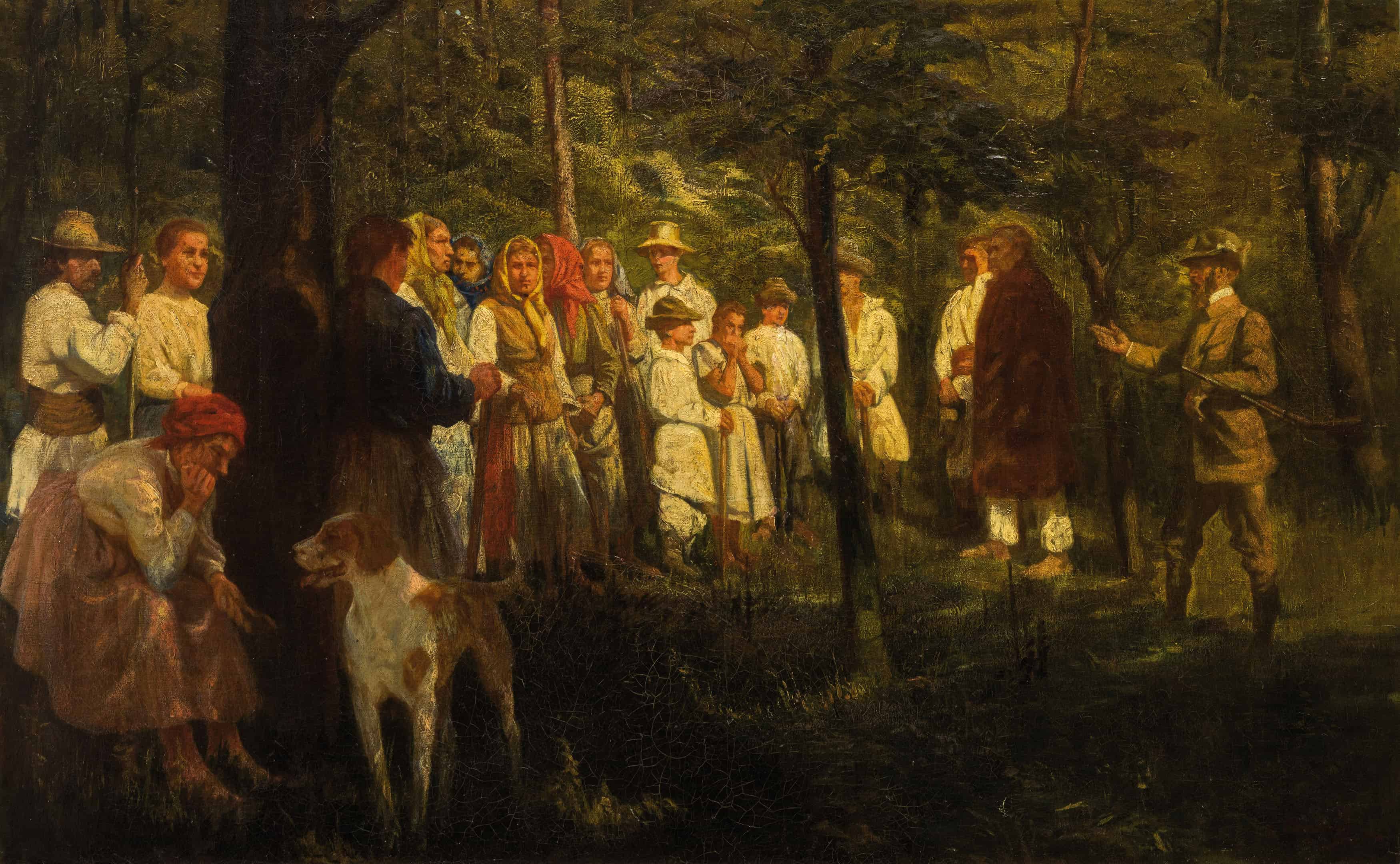
Lot 540. JAN KAZIMIERZ OLPINSKI
Lvov 1875 – 1936
Scena di caccia con contadini
Firmato in basso a destra
Olio su tela, cm 100X160
Olpinski inizia i suoi studi presso l’ Accademia di Belle Arti sotto la direzione di Karl Raupp dove ricevette una borsa di studio e si trasferisce a Parigi presso la scuola nazionale superiore di Belle Arti. La sua tecnica è molto particolare, l’utilizzo del colore molto originale, con una stesura a macchia fitta atta a rendere le sue vedute, spesso animate da figure, molto vibranti e colorate. Partecipò a numerose mostre collettive, tra cui quella dell’Unione degli Artisti, di cui faceva parte, diverse volte espose a Cracovia alla Società degli Amici delle Belle Arti, alla Società per la Promozione di Belle Arti di Varsavia e all’Esposizione Nazionale di Poznan del 1929.

Start price :
2000. Wannenes Art Auctions, 05/16/17

Jan Chełmiński (1851 – 1925)

Chelminski

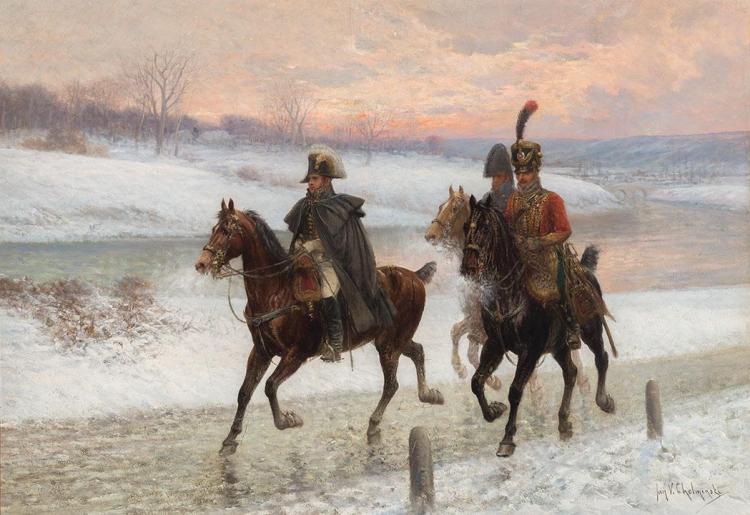
Lot 3. Jan van Chelminski  Polish, 1851-1925
Napoleon and Two of his Marshalls, Mounted, on the Retreat from Moscow
Signed Jan V. Chelminski (lr)
Oil on canvas
21 3/8 x 30 1/4 inches (54.3 x 76.8 cm)

Estimate 10,000-20,000 USD. Doyle. 05/10/17

Stanisław Żurawski (1889 – 1976)

Zurawski=1

Podobna praca sprzedana w Polsce (poniżej)


Lot 276. Żurawski, Stanislaw (1889 Kosnie – 1976 Krakau),
“Liegendes Mädchen”, Öl auf Lw., 50×70 cm, rechts unten signiert, Ausgestellt Salon Listopadowy 1930

Reserve 1,100 euro. Weiner. 05/20/17

Zurawski verso

Zurawski=nalepka


Zurawski=Pl

Marzenie

olej, tektura; 48,5 x 68,5 cm w świetle oprawy
sygn. p. g.: StŻurawski.


Helena

Helena, przed 1939

olej, tektura,
50,5 x 70 cm;
sygn. p. g.: St. Żurawski


Akt lezacy

Akt leżący

olej, płótno, 54 x 73 cm;
sygn. p.g.: St. Żurawski


Marzenie

Marzenie

olej, sklejka,
35 x 50 cm;
sygn. p.d.: St. Żurawski


e25418821200a0f7c8f9f81b22d21691_57628_ins_1200_900_wmee6f8

Akt

olej, tektura; 33 x 48 cm
sygn. p.g.: St. Żurawski


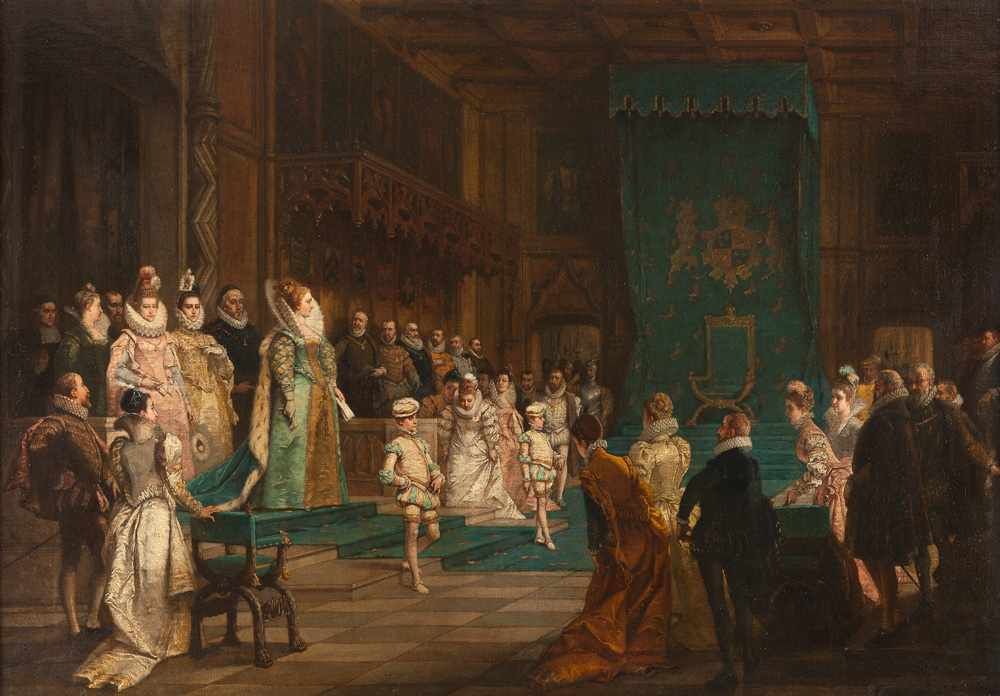
Antoni Piotrowski (1853 – 1924)

Piotrowski

Lot 1170. Antoni Piotrowski (1853-1924)
‘L’arrestation d’un gentilhomme polonais, 1863’ / The arrest of a Polish nobleman signed lower right and dated 1882 ‘Paris’ oil on canvas, 48×98 cm Auction: Venduehuis der Notarissen, Pulchri, The Hague, 28 Nov. 1928, lot 93 with ill., vlg. van Citters e.a.

Antoni Piotrowski (1853-1924)
was a Polish romanticist painter who worked as war correspondent and illustrator for various Western European weeklies and periodicals in late-19th century during the Liberation of Bulgaria. Piotrowski was born in 1853 into a family of sheet iron workers in Nietulisko Duмe near Kunów, then in the Russian sector of the partitioned Poland. From 1869 on, Piotrowski studied painting with professor Wojciech Gerson in Warsaw. Between 1875 and 1877 he studied in Munich with Wilhelm Lindenschmit the Younger. From 1877 to 1879 he studied with Poland’s painter Jan Matejko at the Academy of Fine Arts in Kraków. In 1879, Piotrowski travelled to the newly liberated Principality of Bulgaria as a correspondent of the British weekly newspapers The Graphic and The Illustrated London News as well as the French newsmagazines Illustration and Le Monde Illustré. He moved back to Paris only to return to Bulgaria in 1885 to join the Serbo-Bulgarian War as a Bulgarian volunteer. For his merits during the fighting he was honoured with an Order of Bravery. In 1900 Piotrowski returned to Poland and settled in Warsaw. In 1905, he was a war correspondent in Manchuria. He died in 1924 in Warsaw. Depicted in the present painting is an important event in the history of Poland which is known as the ‘January Uprising of 1863’. This was an uprising in the former Polish-Lithuanian Commonwealth (present-day Poland, Lithuania, Belarus, Latvia, parts of Ukraine, and western Russia)
against the Russian Empire. It began on 22 January 1863 and lasted until the last insurgents were captured in 1864. The uprising began as a spontaneous protest by young Poles against conscription into the Imperial Russian Army. It was soon joined by high-ranking Polish-Lithuanian officers and various politicians. The insurrectionists, severely outnumbered and lacking serious outside support, were forced to resort to guerrilla warfare tactics. Public executions and deportations to Siberia led many Poles to abandon armed struggle and turn instead to the idea of “organic work”: economic and cultural self-improvement. (source: Wikipedia)

Estimate 7,000-9,000 euro. Venduehuis der Notarissen te ’s-Gravenhage, 05/17/19