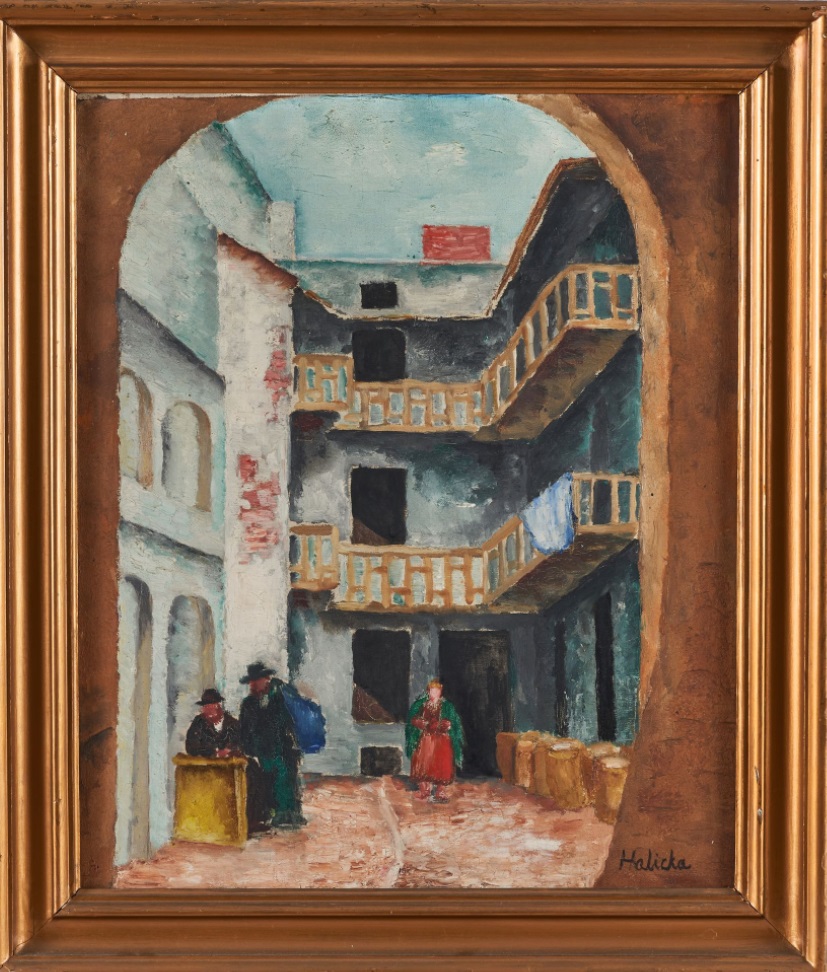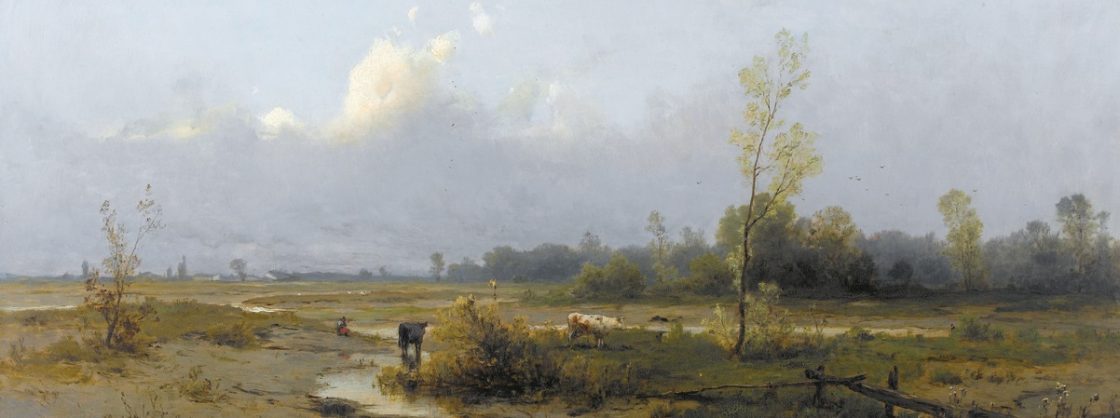
Leopold Gottlieb (1883 – 1934)

Leopold Gottlieb. Portrait of Leon Hirszenberg

Dość ważny obraz Leopolda Gottlieba z początków XX wieku przedstawiający malarza Leona Hirszenberga. Ciekawe jest w jaki sposób obraz ten trafił z bardzo znanej Ben Uri Collection na rynek (https://www.benuricollection.org.uk/). W tej kolekcji znajduje się obecnie tylko jeden obraz namalowany przez Leopolda Gottlieba. Zdumiewające dla mnie jest wyzbycie się tego obrazu lub może był jedynie w depozycie od 1930 roku(?). Może proweniencja tej pracy nie została dokładnie opisana. Należałoby zapytać p. Mielniczuka, eksperta tej aukcji.

Lot 30. Leopold GOTTLIEB (Ukraine 1883 – France 1934). Portrait of Leon Hirszenberg. Circa 1904-1907. Oil on canvas, 74,5 x 62 cm. Signed upper right “L. Gottlieb
Provenance:
Leopold Pilichowski Collection
Ben Uri Collection, 1930
Exhibition:
1930, Mansell Street Gallery Opening: Catalogue and Survey of Activities, Jewish Art and Literary Society Ben-Uri
1934, Exhibition of Paintings and Sculpture by Jewish Artists, Ben Uri Jewish Art Gallery
1935, Israel Zangwill Memorial Exhibition, Ben Uri Jewish Art Gallery
1944, Opening Exhibition, Ben Uri Art Gallery
1945, Exhibition of Paintings by A. A. Wolmark (Konstam Collection), Dobrinsky Paris, and a selection of work from the Ben Uri Collection, Ben Uri Art Gallery
1946, Ben Uri Collection of Paintings, Sculpture and Drawings, Ben Uri Art Gallery
2009, Homeless & Hidden 1: World Class Collection Homeless & Hidden, Ben Uri Gallery
2016/17, Bracia Hirszenbergowie. W poszukiwaniu ziemi obiecanej/Hirszenberg Brothers. In search of the Promised Land, Museum of the City of Lodz, Lodz; Emanuel Ringelblum Jewish Historical Institute, Warsaw

Bibliography:
Walter Schwabe and Julia Weiner, eds, Jewish Artists: The Ben Uri Collection – Paintings, Drawings, Prints and Sculpture (London: Ben Uri Art Society in association with Lund Humphries Publishers Ltd, 1994), reproduced p. 48
Bracia Hirszenbergowie. W poszukiwaniu ziemi obiecanej/Hirszenberg Brothers. In search of the Promised Land (Lodz, Warsaw: Muzeum miasta Lodzi and Emanuel Ringelblum Jewish Historical Institute, 2017), p. 93
The Ben Uri Gallery and Museum in London holds one of the most important collections of works by immigrant artists of the late 19th, 20th, and 21st centuries in the United Kingdom and the international museum sector.
Emerging from and representing the Jewish community, the Ben Uri Gallery and Museum’s collection primarily reflects the work, lives and contributions of British and European artists of Jewish origin, interpreted within the broader context of 20th and 21st century art history, politics and society.
The funds raised will be reinvested to finance new acquisitions and to strengthen the museum’s research unit.

Various subjects are represented in the work of Leopold Gottlieb (1879 Drohobycz – 1934 Paris). There are figurative scenes, religious scenes and landscapes. But it is in the portrait that the artist excels. After studying art at the Academy of Fine Arts in Krakow and in Munich, Gottlieb went to Paris for the first time in 1904. He returned in 1908 and remained there for many years. It was during this period that he painted powerful effigies of prominent figures in the artistic and intellectual life of the French capital: the writer André Gide, the poet André Salmon and the sculptor Rembrandt Bugatti. The painter was also involved in the life of the Polish artist colony in Paris. Befriended by many of them, he often painted their portraits, such as the sculptor Xawery Dunikowski or the painter Mieczysław Jakimowicz. The striking portrait of another of his compatriots, the painter Leon Hirszenberg, which we present here was painted around 1904. We do not know exactly how Leon and Leopold met, but their Jewish background certainly brought them together. They were part of a larger circle that included the sculptor Elie Nadelman and the painter Mela Muter. Their works also met in the columns of the Polish art magazine “Sztuka” [Art] published in Paris by Antoni Potocki. In issues 8-9 of this magazine, a reproduction of Hirszenberg’s painting (From Brittany) is displayed alongside portraits painted by Gottlieb.

Léon (Lajbuś) Hirszenberg (Herszenberg) born in 1869 in Łódź and died in 1945 in Paris, came, like Gottlieb, from a family of artists. He was the younger brother of Samuel, also a painter, dedicated to themes related to the Jewish diaspora, and elder to Henryk (Izrael Hersz), an architect. Leon’s life is still a secret. He studied painting either with his brother Samuel or in Munich around 1890. He was present in Paris from 1902. His work testifies to his attachment to Brittany, where he made several trips, notably to Concarneau and probably lived in Perros Guirec. He exhibited at art shows in the capital as well as in Poland. Having become blind at the end of the 1920s, he was no longer active as an artist.
Léon made his debut in Paris at the Salon de la Société Nationale des Beaux-Arts in 1904 and was noticed by French and Polish critics. His portrait by a renowned Polish painter, Olga Boznańska, was presented at the same salon and met with a lively

Estimate 50,000 -60,000 euro. Millon. 11/29/22. Sold 44,000 euro
Bolesław Biegas (Biegalski) (1877 – 1954)

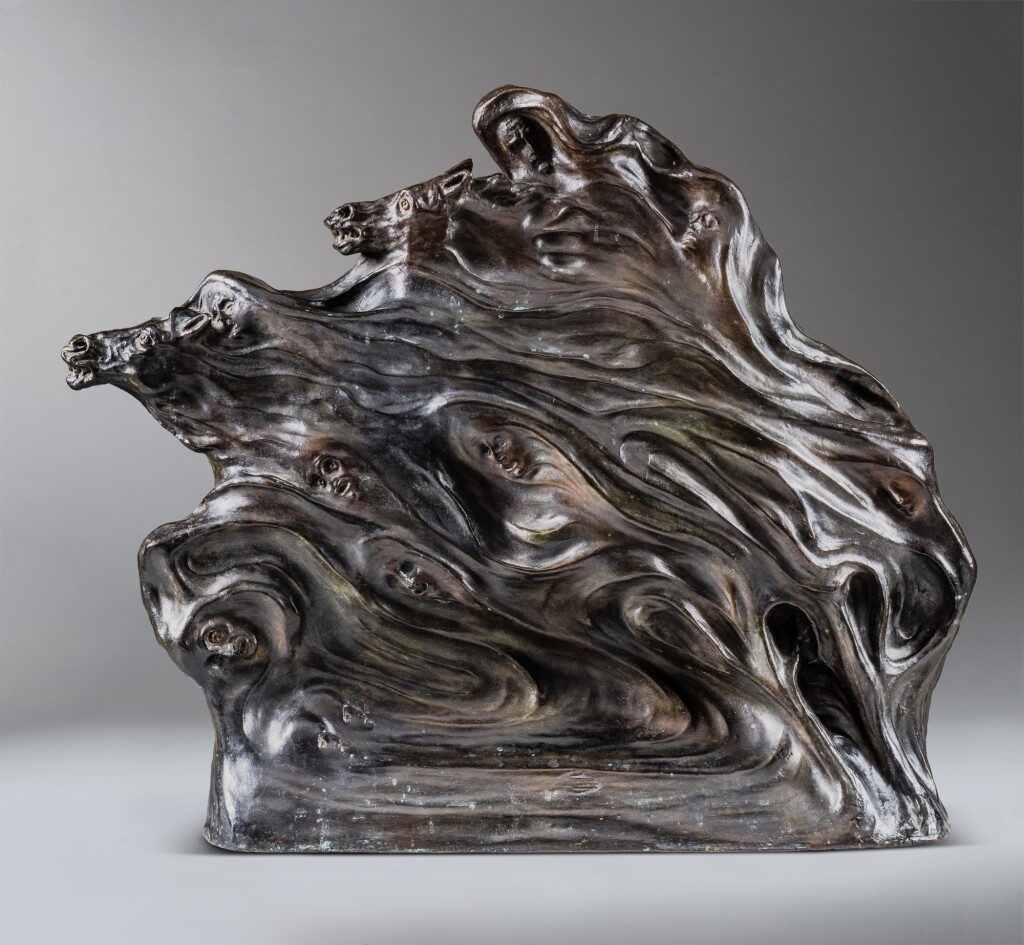
Bolesław Biegas (Biegalski). Horses of Hell

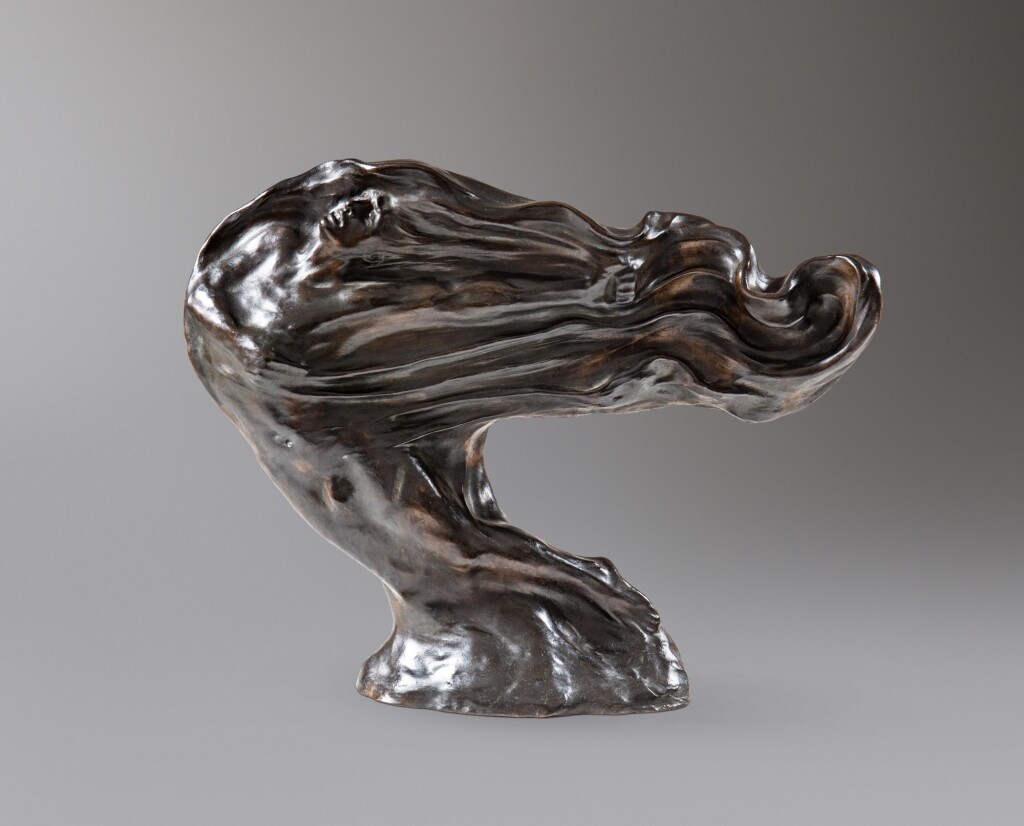
Lot 118. Bolesław Biegas  1877 – 1954. Horses of Hell, bronze, black patina, signed, dated and located B. Biegas / Paris / 1904, inscribed Susse Fondeur Paris, numbered ¼. Cast in 1975, 53 by 64 cm; 20 ⅞ by 25 ⅕ in. Estimate 7,000 – 10,000 euro. Sotheby’s. 11/10/22. Sold 12,600 euro

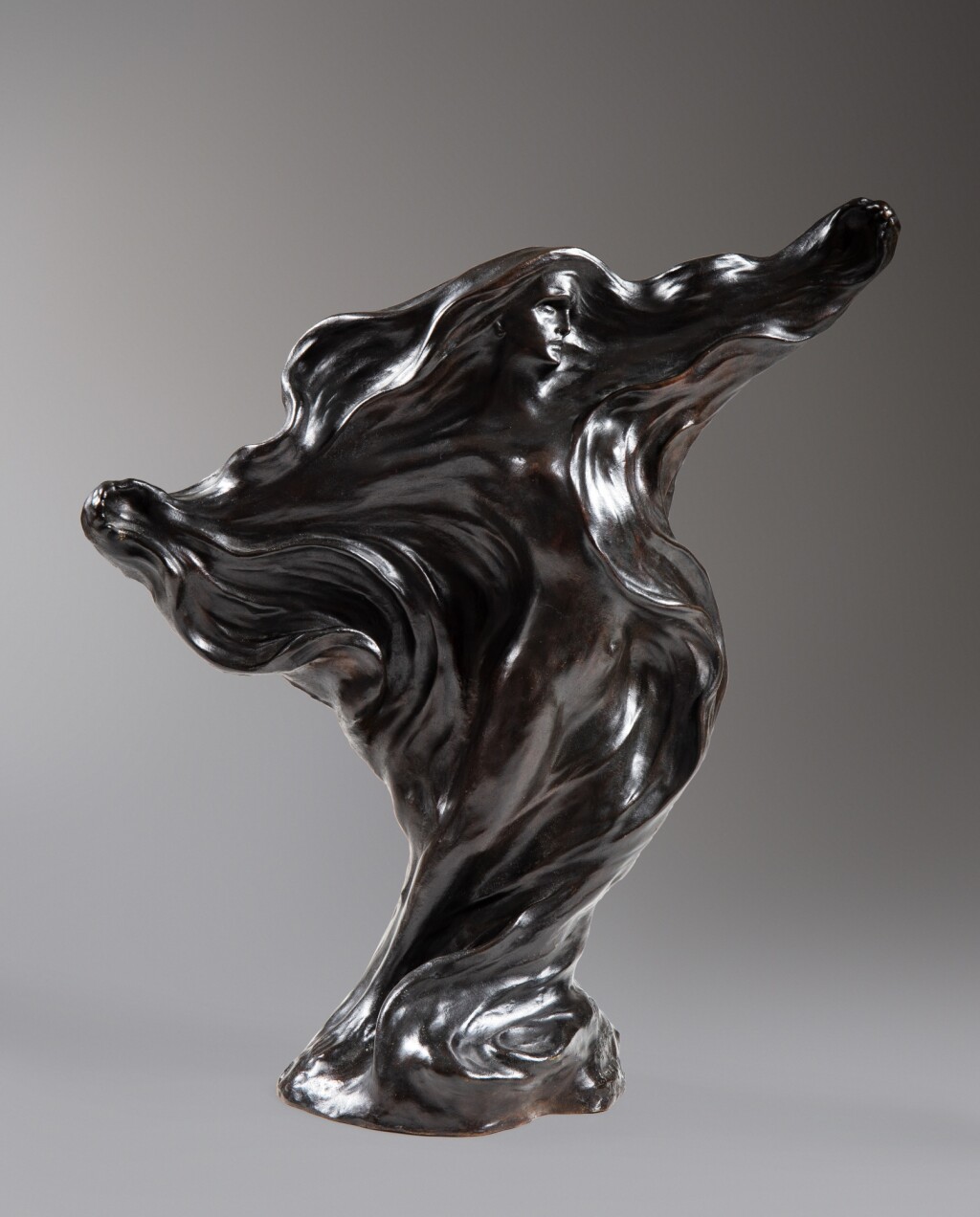
Aż trzy odlewy rzeźb Bolesława Biegasa w Sotheby’s. Problem w tym, że są to odlewy pośmiertne. W przypadku jednej z nich (Horses of Hell) wiadomo, że jest to jeden z czterech odlewów wykonanych w 1975 roku. Nie ma takiej informacji o Wounded Life. Natomiast rzeźba Flame Dancer miała już (chyba) kilka serii odlewówi zdołalem naliczyc 12 egzemplarzy – niektóre sposród nich były pokazane wczesniej na łamach tego blogu. Dlatego powstaje dylemat: czy kupować wyłącznie odlewy wykonane za życia artysty, które przeszły przez jego ręce, czy też mając ogromną chęć zdecydować się na odlew pośmiertny. Odlew pośmiertny wykonuje właściciel gipsu i on ma władzę nad nią niemal absolutną; po piewszej serii może zdecydować się na drugą serię a potem na trzecią, itd. Można w ten sposób rozwodnić rynek by zaspokoić zapatrzebowanie. Sotheby’s jedynie w przypadku jednej rzeźby podaje rzetelnie, że to jest współczesny odlew. Dwie pozostałe zbywa milczeniem. Można jednak popatrzeć sobie na fofografie odlewów wykonanych za życia Biegasa by je odróżnić, choćby po patynie.


Bolesław Biegas (Biegalski). Wounded Life

Lot 119. Bolesław Biegas  1877 – 1954. Wounded Life, bronze, black patina, signed Boleslaw Biégas, with an indistinct inscription, 38 by 50 cm; 15 by 19 ⅔ in. Estimate 4,000 – 6,000 euro. Sotheby’s. 11/10/22. Sold 21,420 euro


Bolesław Biegas (Biegalski). Flame dancer

Lot 120. Bolesław Biegas  1877 – 1954. Flame dancer, bronze, black patina, signed, dated and located Boleslaw / Biegas / Paris 1907 / (indistinct inscription), with an old label to the reverse numbered 12, H. 50 cm; 19 ⅔ in. Estimate 4,000 – 6,000 euro. Sotheby’s. 11/10/22. Sold 4,788 euro

Zbigniew Makowski (1930 – 2019)

Zbigniew Makowski. La beauté sera CONVULSIVE ou, 1968

Niezwykle sprawny warsztatowo artysta, którego prace można interpretować na rozmaite sposoby.

Lot 490. MAKOWSKI, ZBIGNIEW 1930 Warschau 2019. “La beauté sera CONVULSIVE ou“. Aquarell und Tusche auf Papier, sig. u. dat. 1968 o.r. sowie unten betitelt, 40 x 50,5 cm. Beim Titel des vorliegenden Werkes handelt es sich um den letzten Satz des 1928 erschienenen Romans “Nadja” von André Breton. In seiner Vollständigkeit lautet er: “La beauté sera CONVULSIVE ou ne sera pas” (“Die Schönheit wird KONVULSIV sein oder sie wird nicht sein”). Estimate: CHF1,800. Dobiaschofsky. 11/04/22. Sold CHF 2,400

Bolesław Biegas (1877 – 1954)

Bolesław Biegas. Adam before Eve

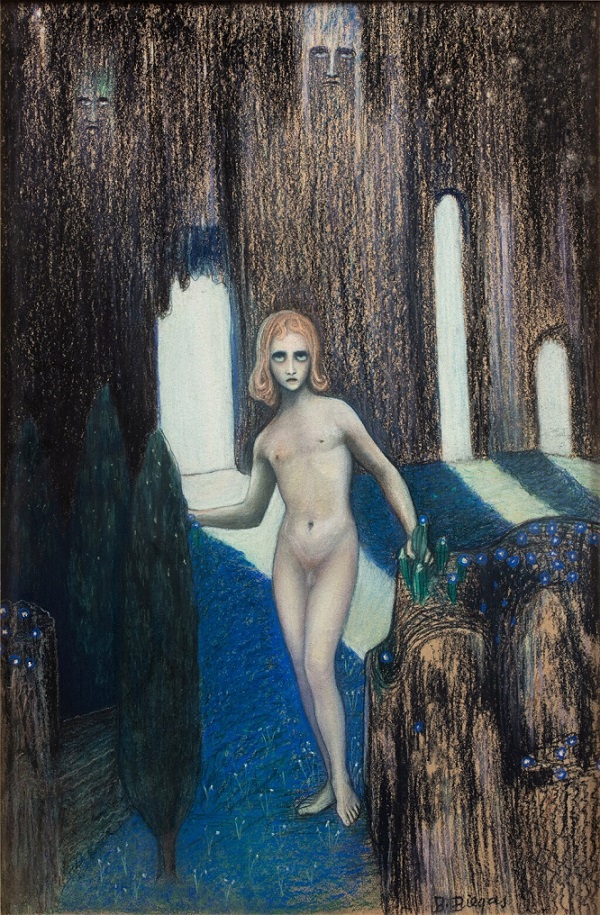
Ten pastel Bolesława Biegasa spadł w czerwcu tego roku z aukcji w Sotheby’s. Może zbyt wysoko był wyceniony (40,000 – 60,000 euro) a może nie jest to aż tak atrakcyjna praca? Chyba nawet w Polsce będzie trudno odsprzedać ten obraz w obecnych widełkach wyceny. Wielkorotnie wyrazałem zdanie, że Bolesław Biegas to dla mnie rzeźbiarz i wkrótce ciąg dalszy.

Lot 121. Bolesław Biegas (Koziczyn 1877 – 1954 Paris). Adam before Eve. Signed lower right B. Biégas. Pastel on board, 75,5 x 49,5 cm ; 29¾ by 19½ in. Estimate 15,000 – 25,000 euro. Sotheby’s. 11/10/22. Sold 12,600 euro

Helena Walicka (1913 – 1989)

Helena Walicka. Organic Figure, 1963

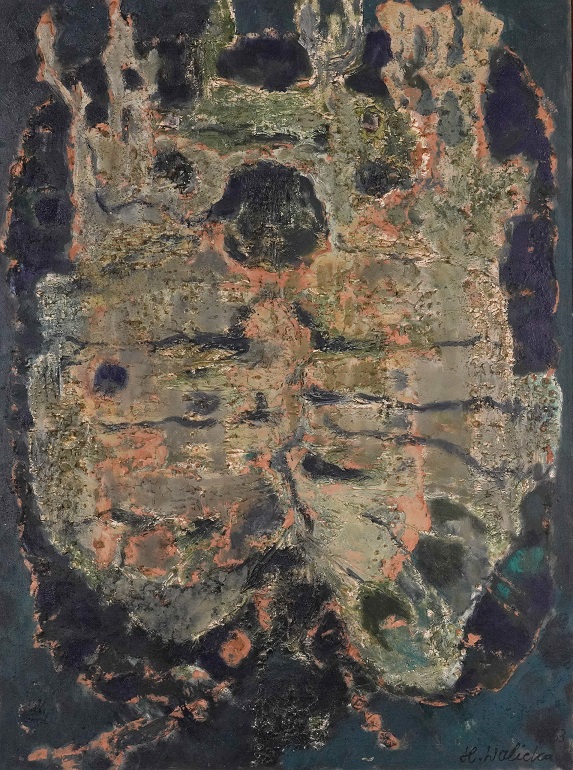
Bliżej mało znana artystka, prywatnie żona bardzo znanego polskiego historyka sztuki, Michała Walickiego, autora wielu książek o polskim malarstwie zwłaszcza średniowiecznym. Osobny rozdział można poświęcić Michałowi Walickiemu, jego pracom i ekspertyzom a także o katowaniu jego osoby przez UB w czasach stalinowskich. Praca Heleny Walickiej bardzo mi przypomina figury osiowe Lebensteina. Co można teraz kupić za wyjściowe 20 funtów? Jak widać można kupić olej Heleny Walickiej z 1963 roku.

Lot 80. HELENA WALICKA (POLISH, 1913-1989). Organic Figure (1963) signed and dated ‘H. Walicka 1963’ (lower right) and signed, dated and inscribed (verso) oil on canvas 80 x 60cm ARR Exhibited London, The Boyson Gallery, Helena Walicka, 3rd April – 26th April 1963; London, Doctor’s Restaurant, Exhibition of Paintings, 10th January – 6th February 1965/ Estimate £100 – £150. Bellmans. 11/14/22

Zdzisław Beksiński (1929 – 2005)

Zdzisław Beksiński. Untitled, 1990

Lot 50. Zdzislaw Beksinski (1929 Sanok, Poland – 2005 Warsaw). Untitled, mixed media on paper, 23,5 cm x 28 cm inner passepartout dimension, signed, 90 dated, wavy, Provenance: Galerie Simone van Dormael, Brussels (verso gallery label). Opening 2,500€. Wettmann. 11/26/22. Sold 7,500 euro

Do kompletu, dwa drobne rysunki-szkice Zdzisława Beksińskiego.

Zdzisław Beksiński. Untitled, 1997

Lot 51. Zdzislaw Beksinski (1929 Sanok, Poland – 2005 Warsaw). Untitled, mixed media on paper, 23,5 cm x 28 cm inner passepartout dimension, signed, 97 dated, wavy, Provenance: Galerie Simone van Dormael, Brussels ( verso gallery label). Opening 2,500€. Wettmann. 11/26/22. Sold 9,500 euro

Zdzisław Beksiński (1929 – 2005)

Zdzisław Beksiński. Untitled, 1970

Obraz Zdzisława Beksińskiego z 1970 roku, który prawdopodobnie pobije wszelkie rekordy cenowe jego prac. Przypominam, że inne trzy jego oleje będą licytowane w tym samym czasie w UK: https://polishartcorner.com/2022/10/22/zdzislaw-beksinski-1929-2005-8/.

Lot 52. Zdzislaw Beksinski (1929 Sanok, Poland – 2005 Warsaw). Untitled, oil on hardboard, 122,5 cm x 98 cm, verso signed, dated 1970, stamped, numbered 02 III 15/6/90/201, partly retouched, partly slightly stained, abrasion at frame area, partly slight superficial scratches, s-shaped impression in the paint on the lower right (probably caused by the drying process).

The Procession of the Dead by Zladislaw Beksinski is dated 1970 and thus not only belongs to the same creative period as our work already sold at auction, but even dates from the same year. The artist’s painting is dominated by orange-red colour. The fire of the underworld, which probably blazes all around, determines the entire work. It is precisely this that seems to glow in the wide-open eyes of the foremost and clearly recognisable figure. The procession of the dead is led by a Valkyrie. A female human-like spiritual being. One of those maidens who come from the retinue of Odin, the father of the gods, in Norse mythology and are known as his daughters. They have abilities to determine fate and choose honourable fallen who have died on the battlefield to lead them to Valhalla – the final resting place. So when she leads the procession, the deceased, unidentifiable human shells seem to have been honourable persons after all? Thus, a corpse is already lifted up into the kingdom of heaven with its separated luminous soul in front. While all the other figures follow the Valkyrie. The figures advance like in a procession. But here it is not only a holy figure that is carried on the shoulders, but the church itself. The House of God is formed here as a cube and is carried forward with Jesus Christ on the cross and firmly clasped. Other abstracted buildings carried on the shoulders seem to follow. A Mayan temple, which could probably symbolise the ancient spiritual and high cultures, can just be made out. The rest of the train disappears into the distance. In this work, too, questions arise in the viewer’s mind, which Beksinski provokes critically in his unmistakable formal language. Are the institutions and sacred sites being brought to their final rest here? Are they recognisable because the individuals went into battle and died honourably because of them and their faith? How is an honourable life decided? Once again, the artist leaves us with questions and forces us to grapple with such questions. Once again, they are questions about life, death, the underworld and the kingdom of heaven – they are questions of faith that he brings up in his painting in his artistically dramatic and morbid way. Opening 75,000€. Wettmann. 11/26/22. Not sold

Stanisław Fijałkowski (1922 – 2020)

Stanisław Fijałkowski. Autostrada dla kreta i liszki, 1990

Praca sprzedana za życia artysty w Desie Unicum w 2014 za 65,000 złotych (ok 16,000€). Artysta zmarł w 2020 roku a jego Autostrady nabraly znaczenia metafizycznego oraz zaczęły się znakomicie sprzedawać. Zakładam się, że Desa obecnie odkupi tę pracę by szukać potem krajowego kupca za 500,000 złotych. Może się uda a może nie uda bo rynek w Polsce wygląda obecnie na bardzo słaby – chyba odpadli drobni, bardzo ważni, lecz obecnie mocno zdezorientowani ‘inwestorzy’; kto nie wierzy niech sprawdzi ile procent prac obecnie się sprzedaje na polskich aukcjach oraz czy są jakieś znaczne przebicia. Życzę porotu do normalności.

Lot 519. Stanisław Fijałkowski (Poland 1922‑2020). ”Autostrada dla kreta i liszki”. Signed and dated S. Fijałkowski 1990 on the stretcher. Oil on canvas, 100 x 81.5 cm. Provenance: Desa Unicum, Warsaw, 11 December 2014, lot 1. A Swedish private collection, acquired at the above sale. Estimate 150.000 – 200.000 SEK (€ 14.000 – 18.000). Uppsala. 11/09-10/22. Sold SEK 560,000 ($52,500)

Alicja Halicka (1895 – 1975)

Alicja Halicka. Cour d’immeuble

Ładne ujęcie podwórka (chyba) żydowskiej kamienicy w wykonaniu Alicji Halickiej. Dom aukcyjny przypomina nazwisko jej męża, choć nie bardzo wiem co mogło być jego zasługą w tworzeniu tej pracy.

Lot 2. Alice HALICKA-MARCOUSSIS (1895-1975). Cour d’immeuble, vers 1921-1925. Huile sur toile signée en bas à droite. 65 x 54 cm. Estimate 2,000 – 3,000. Côte Basque Enchères Lelièvre – Cabarrouy. 11/05/22. Sold 5,200 euro

Władysław Bakałowicz (1833 – 1903)

Władysław Bakałowicz. Christopher Columbus presenting Amerindian savages to the court of Ferdinand of Aragon and Isabella of Castile

Lot 198. Ladislaw BAKALOWICZ (1831 -1904). Important historicist work illustrating Christopher Columbus presenting Amerindian savages to the court of Ferdinand of Aragon and Isabella of Castile. Ladislaus or Wladyslaw Bakalowicz, a painter of Polish origin born in Krakow, worked in Paris after his studies at the art school in Warsaw. He exhibited in Paris, London, Vienna and New York. If female portraits are among his favorite subjects, he excelled in historical painting by painting important scenes of the Renaissance and the reign of Louis XIII such as “Louis XIII receiving the Italian ambassador”, London sale of January 19, 1973 or “La collation d’Henry IV”, Paris sale on January 11, 1943. The work presented here is related to one of the most important cultural events of the Renaissance: the discovery of the new world. One can feel all the solemnity of the moment in the rich salon where the sovereign couple and the young Prince are seated on the platform. On the wall richly decorated with tapestries and interspersed with a fireplace still in the flamboyant gothic style, the great men of Spain stand attentively. Beautiful original gilded stucco frame. Dimensions : 92 x 64 cm. Size of the frame included : 130 x 105 cm. Estimate 12,000 – 15,000 €. MJV Soudant. 11/13/22

Nie jestem stronniczy w stosunku do Władysława Bakałowicza – jego oleje po prostu nie podobają mi się. Straciły swoje mojo choć może pod koniec XIX wieku miały spore wzięcie we Francji przypominając stare dobre królewskie czasy. Te sceny są zwykle drętwe w oglądaniu tak jak drętwy jest ten wyceniony pod niebiosa obraz przedstawiający Kolumba na dworze hiszpańskim po powrocie z wyprawy i odkrycia Ameryki. Naliczyłem na kawałku płótna aż 25 osób i każda z nich ma martwą twarz lecz jakże groźną i dostojną postawę. Jak w rzeczywistości ten moment wyglądał to nie wiem, lecz przedstawienie natłoku postaci przyglądanjących się skrzynce z łupem z wyprawy to mało. Może obraz podobać się Hiszpanom. Osobiście bardziej przejrzysty jest dla mnie ten maleńki obrazek z facetem w rajtuzach i ze szpadą, czytający list. To też jest banalana kompozycja lecz bardzo przejrzysta. Prawdopodobnie, inne prace tego malarza przedstawiające dobrze ubrane panie z epoki Ludwików mogą być lepsze, choć są płytkie i banalne. Władysławowi Bakałowiczowi w sztuce malarskiej chyba najlepiej udał się syn, który okazał się o niebo lepszym artystą, przerósł go wielokrotnie, i którego prace przetrwały próbę czasu.

Władysław Bakałowicz. Gentilhomme de la cour des Valois

Lot 100. BAKALOWICZ Ladislaus (1833 – 1903). Huile sur panneau “Gentilhomme de la cour des Valois (Henri II ?)”. Signé en bas à droite Bakalowicz. Ecole polonaise. Dim. : +/- 40×29 cm. Estimate 700 – 1,000 euro. VanderKindere. 11/15/22