Franciszek Krudowski (1860 – 1945)

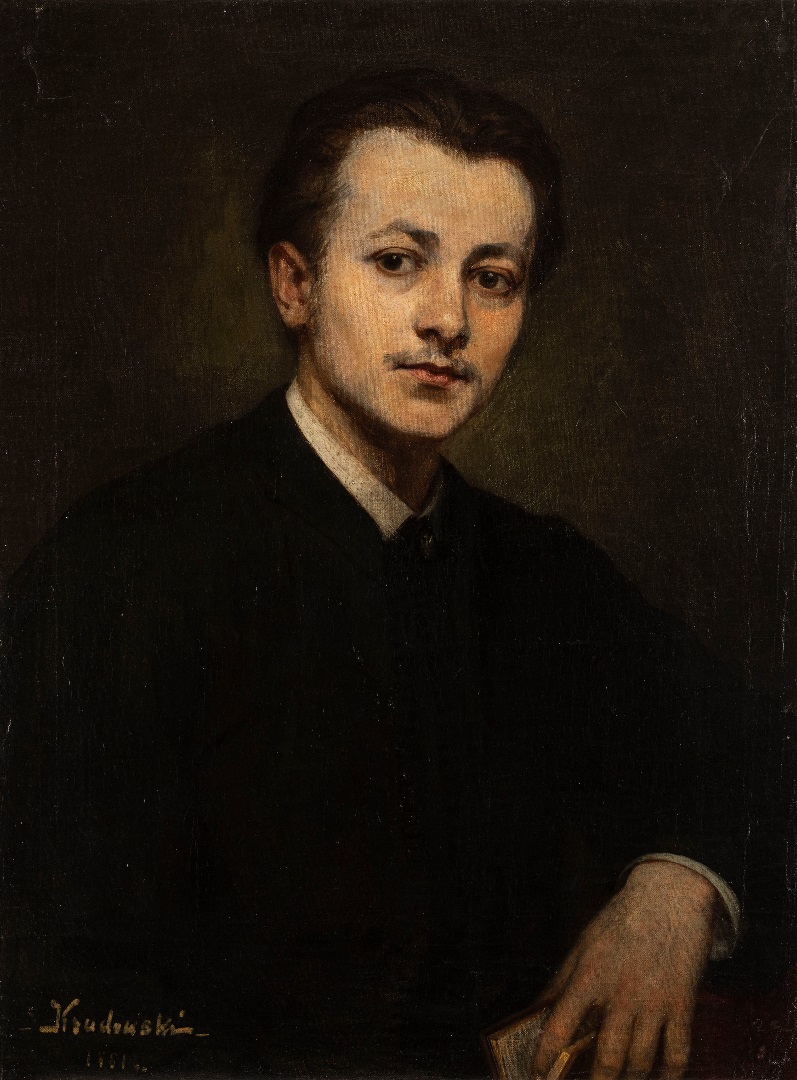
Franciszek Krudowski. Portret Jana Styki, 1881

Lot 121. Franciszek Krudowski (1860 – 1945). Portrait of Jan Styka, 1881, oil on canvas, unfraimed, 65.5 x 49 cm. Signed and dated lower left: Krudowski /1881. Estimate 500 – 800 euro. Finarte. 03/23/21. Sold 1,200 euro

Ze świecą trzeba szukać obrazu Franciszka Krudowskiego na rynku, chyba dlatego, że większośc jego twórczości to prace o charakterze religijnym. O jakości malarstwa ‘świeckiego można się przekonać na podstawie tego bardzo rzadkiego portretu jego ręki i to w dodatku przedstawiającehgo kolegę z Rzymu, Jana Stykę. Jan Styka na portrecie ma lat zaledwie 23 i jeszcze mu wąsy dobrze nie urosły ani też charakteryczna później broda. Praca ta powinna zaintereować szeroką grupę kolekcjonerów portretów znanych osób, jak też malarstwa nieznanego Krudowskiego oraz samego Jana Styki. Ważna to rzecz.

Jan Styka z żoną

The painting attests to the close friendship between the Polish painters Franciszek Krudowski and Jan Styka (Leopoli 1858 – Rome 1925) , students of the Academy of Fine Arts in Vienna, who in their early twenties had moved to Rome, where they had resided at the Palazzo Venezia, at the time owned by the Austrian government. Arriving in the Eternal City with a postgraduate scholarship in 1880, Krudowski was joined the following year by Styka, also winner of the Rome Prize. The two, who had already copied the great masters preserved in local galleries in Vienna, had concentrated on the study of ancient art, but had also shown interest in Roman antiquities reinterpreted through the mediation of Henry Siemiradzki, author of the highly acclaimed Nero’s torches (1876, Krakow, National Museum). Krudowski had subsequently extended his Roman stay until 1893, and then, after a period of travel, settled in Krakow, where he devoted himself mainly to religious and mythological themes. Styka, illustrator, patriot, poet and successful painter, after a further period of specialization in Krakow under the guidance of Jan Matejko, had dedicated himself to religious and history painting and had distinguished himself by creating monumental panoramas, depicting the Battle of Raclawice with Wojciech Kossak (1893, Bratislava, National Museum), Transylvania (Bem in Siedmiogrod) (1897) scattered in fragments, the Golohta ( 1896, Glendale, Forest Lawn Memorial Park), exhibited in major European cities before taking the US road. The canvas in question, dated 1881, follows a first portrait of Styka made by Krudowski still in Vienna. The identification of the young model, advanced by Bruno Mantura, can be confirmed on the basis of the photographic portrait published in t

he catalog of the artist’s exhibition held in 1899 at the Municipality of Lviv. The compositional system and the chromatic range of the work attest to the profound research that Krudowski was conducting at the time on the painting of the Italian Renaissance. According to a very popular sixteenth-century model, Styka wears a dark suit with a white collar, which reflects the light illuminating his gracefully featured face, and is portrayed slightly in three-quarter length with a book in his hands. In the highly calibrated construction of space, completely saturated by the human figure, the hand, very clear, constitutes the natural counterpoint to the face, in a game of balance between skin tones and fabrics. The traditional layout, certainly influenced by recent studies, but devoid of any academicism, is reinterpreted and updated by the intense gaze with which the young student of painting turns towards the viewer, revealing at a glance the hopes and expectations, but also the anxieties, typical of the generation of artists born after the mid-nineteenth century, who are inexorably preparing to enter the new century by pursuing a research built around the dialectic between tradition and modernity. It is no coincidence that Krudowski’s gaze is equally intimate, intense and modern in the portrait (Warsaw, National Museum) created the following year, again in Rome by Styka himself.


Wpis ten uzupełniam komplementarnym portretem Franciszka Krudowskiego wykonanym przez Jana Stykę w Rzymie w 1882 roku. Portret ten stanowi własność Muzeum Narodowego w Warszawie.

Jan Styka. Portret Franciszka Krudowskiego, 1882 (olej, płótno, 41.5 x 34 cm)

Wojciech Gerson (1831 – 1901)

Wojciech Gerson. Pflügender Bauer bei der Rast, 1868

Jeszcze jeden polski malarz nierozszyfrowany przez właścicieli oraz przez dom aukcyjny. Rozszyfrowany jednak przez kolekcjonerów bo sprzedany za 11,000 euro (hammer).

Lot 2300. Maler des 19. Jh. “Pflügender Bauer bei der Rast“, Bildnis eines jungen Mannes, ein Stück Brot und ein Messer in den Händen haltend, bei seinen Tieren stehend, vor Feldkulisse, unten links monogr. und dat. “GW 1868”, Öl/Leinwand, HxB: 55/47 cm. Altersspuren, rest., min. Farbabrieb. Provenienz: Aus der Privatsammlung eines Kunsthändlers in Lódz, tätig Anfang des 20. Jh. und seitdem in Familienbesitz. Opening 600 euro. Siebers. 03/24-26/21. Sold for 11,000 euro

Maurycy Trębacz (1861 – 1941)

Maurycy Trębacz.

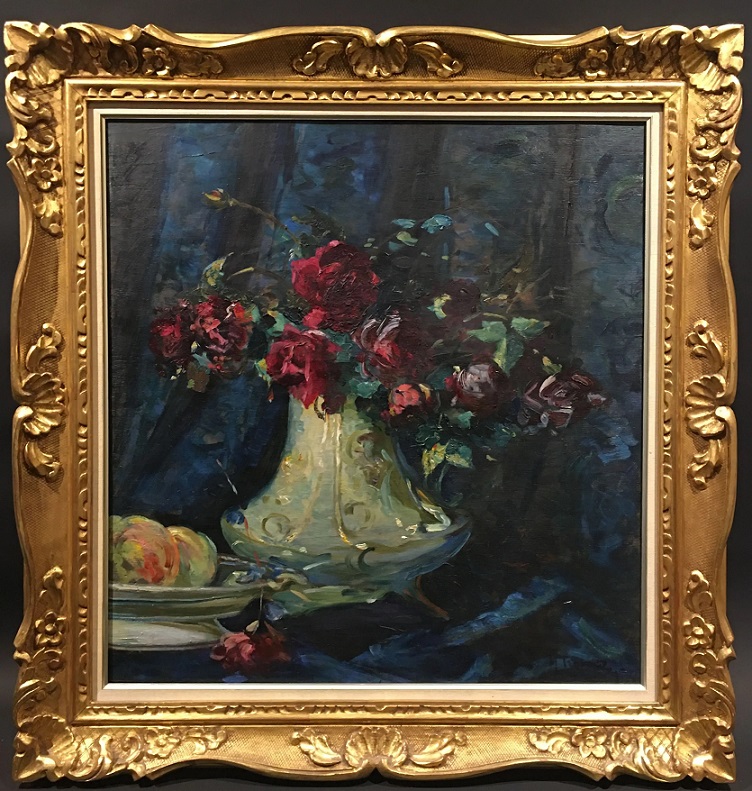
Opisany w katalogu francuskiem malarz, Tadeusz Trebac, to oczywiście Maurycy Trębacz, żydowski malarz, który zginął w Łodzi z głodu w czasie ostatniej wojny. Artysta malował wiele podobnych kompozycji kwiatowych w swojej karierze, kładzionych grubą pastą o zdecydowanie kontastujących i silnych kolorach. Olej nie jest datowany lecz kształt wazonu, przypominający dekoracyjnością okres art nouveau, może sugerować jego powstanie w okolicach 1900 roku.

Dodam, że jest to dobry przykład na to, że należy przeglądać katalogi a nie tylko liczyć na wyszukiwarki. Bez mojego wczesniejszego wpisu obraz został jednak zauważony i sprzedany znacznie powyżej ceny estymacyjnej.

Lot 425.TADEUSZ TREBAC (école juive polonaise début XXème). Bouquet de fleurs dans un vase. Huile sur toile, signée en bas à droite, 62 x 58 cm. Estimate 200 – 300 €. Catherine Chausson. 03/27/21. Sold 2,200 euro

Aleksander Kotsis (1836 – 1877)

Aleksander Kotsis. In der Stube

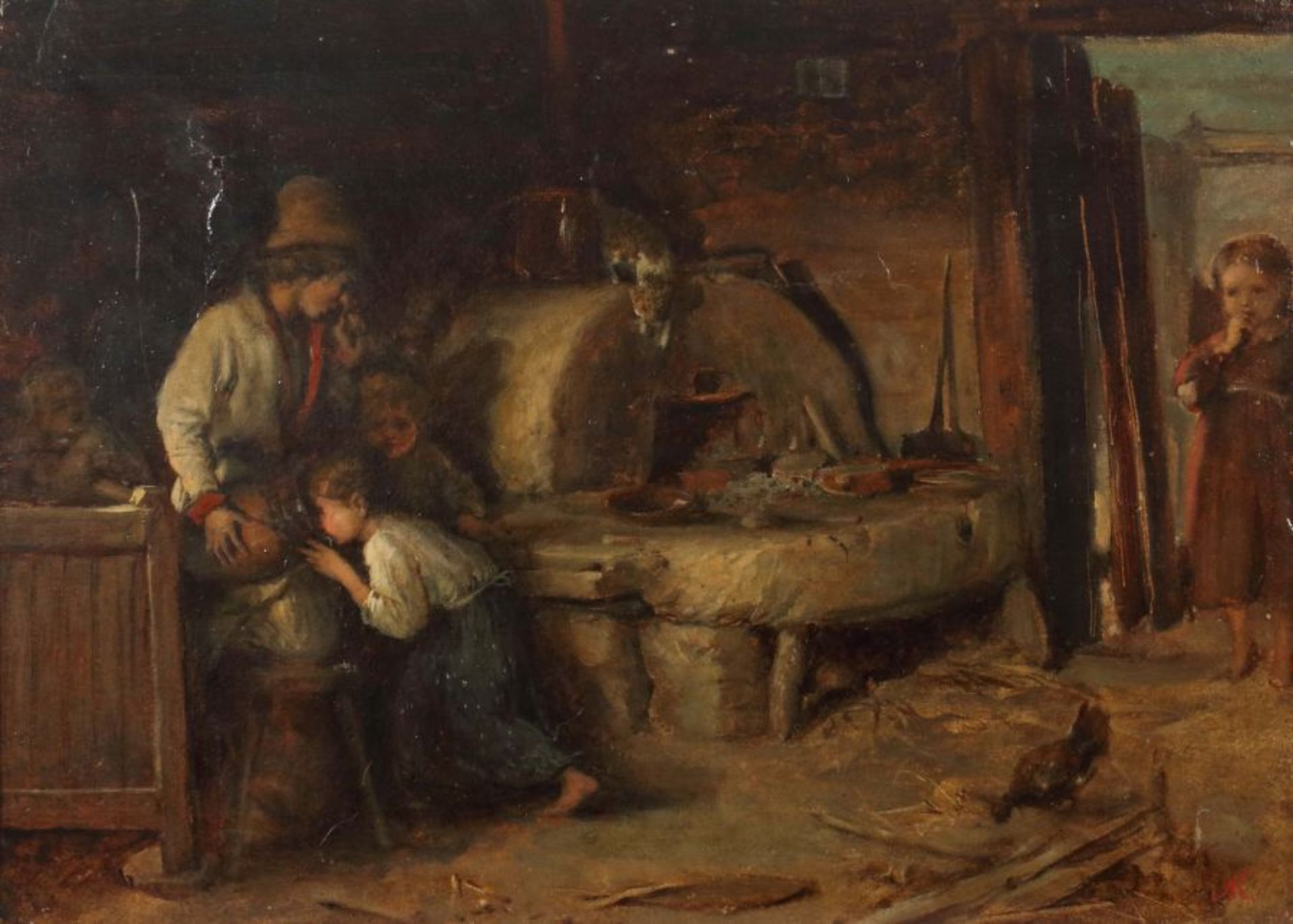
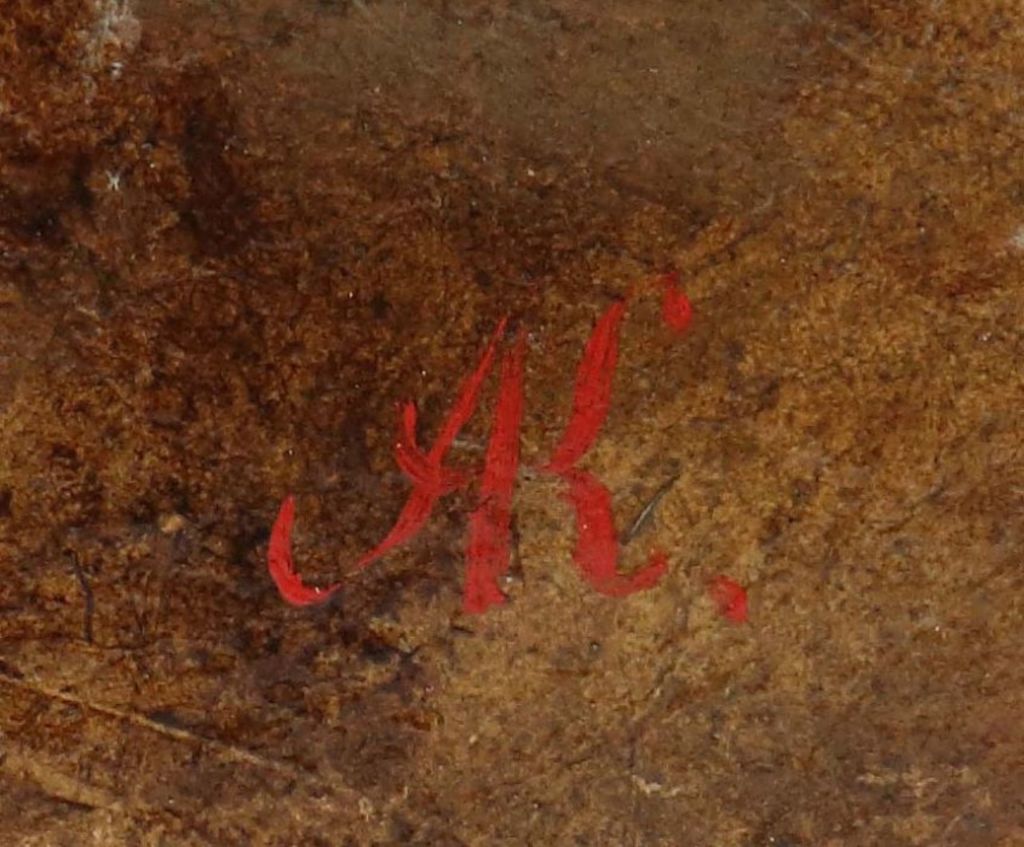
Jestem przekonany, że jest to praca Aleksandra Kotsisa. Kolejne moje zdziwienie, że właściciele, którzy odziedziczyli tę wielkę kolekcję polskiego malarstwa XIX wieku nie wiedzą co posiadają. Nie dziwię się Siebersowi.

Przy odrobinie wysiłku, czarno-białą reprodukcję tej pracy odnalazłem w książce ‘Aleksander Kotsis’ napisanej przez Jerzego Zanozińskiego (PIW, 1953) jako fotografię z nr. 39 i tytuem Sieroca dola i adnotacją miejsce przechowywania niewiadome.

Obrazek został wyceniony na 300 euro a został sprzedany za 14,000 euro. Jaki z tego wniosek? Prace tę wprowadziłem dopiero po zakończeniu aukcji.

Lot 2383. Maler des 19./20. Jh. “In der Stube“, Interieurszene mit Steinofen und einem Bett, ein Kind Wasser trinkend und ein Mädchen in den Raum kommend, unten monogr. “AK”, rückseitig bez. (wohl ehemalige Besitzer), Öl/Papier auf Leinwand aufgezogen, HxB: 35/46 cm. Altersspuren, rest., ret., Farbabrieb. Provenienz: Aus der Privatsammlung eines Kunsthändlers in Lódz, tätig Anfang des 20. Jh. und seitdem in Familienbesitz. Opening 300 euro. Siebers. 03/24-26/21. Sold 14,000 euro.

Franciszek Ejsmond (1859 – 1931)

Franciszek Ejsmond.

Zadziwia mnie nie to, że dom aukcyjny nie był pewien nazwiska artysty lecz to, że właściciele pracy również nie wiedzieli kto namalowal te pracę. Tym razem blisko jest w opisie i raczej nie powinno być wątpliości co do autorstwa Franciszka Ejsmonda. Bardzo porządna deseczka tego malarza.

Lot 2285. Genremaler des 19. Jh. “Beisammensein am Tisch“, einfaches Stubeninterieur mit Familie um einen Holztisch sitzend, das Kleinkind auf dem Schoß des Vaters sitzend und dabei eine Brezel in der Hand haltend, unten rechts sign. “Fr. Eismond (?)”, Öl/Holz, HxB: 22,5/17,5 cm. Farbberieb und -abplatzer am Rand. Provenienz: Aus der Privatsammlung eines Kunsthändlers in Lódz, tätig Anfang des 20. Jh. und seitdem in Familienbesitz. Starting 700 euro. Siebers. 03/25/21. Sold 4,600 euro (hammer)

Stanisław Frenkiel (1918 – 2001)

Stanisław Frenkiel.

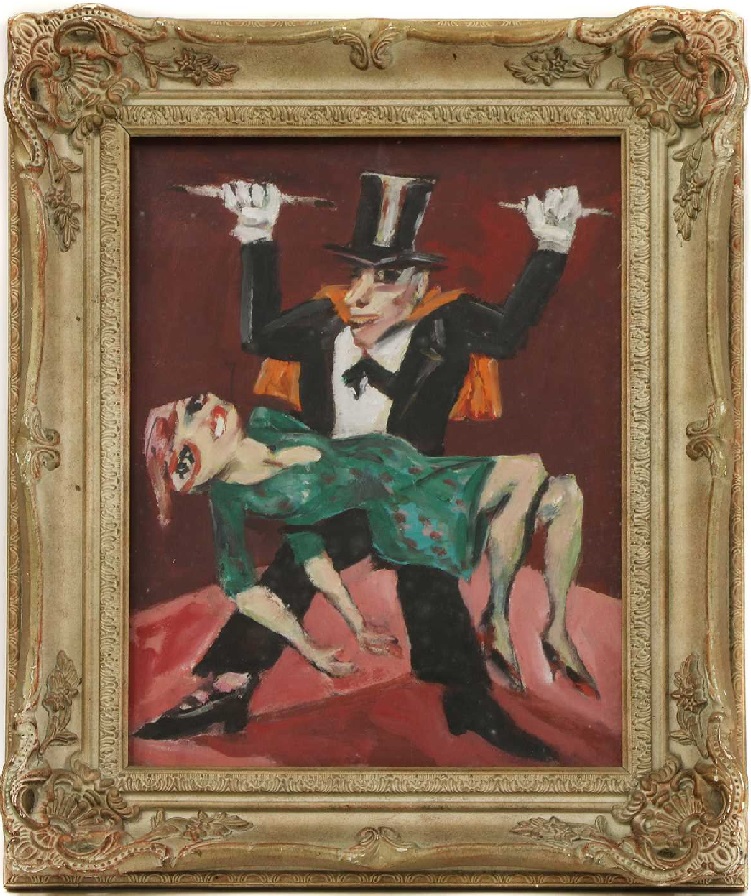
To jest właśnie jeden z polskich artystów, który przeszedł szlak wojenny z Armią Gen. Andersa i znalazł się w Londynie (patrz recenzja książki Artyści Andersa pióra Jana Wiktora Sienkiewicza, którą zamieścił właśnie na blogu p. Krzysztof Zagrodzki). W Polsce Stanisław Frenkiel jest praktycznie nieznany. Praca  aukcji nie jest sygnowana ale chyba nikt by nie fałszował praktycznie nieznanego (w Polsce) artysty?

Lot 56. STANISLAW FRENKIEL (Polish, 1918-2001). The Illusionist. Magician levitating his assistant, unsigned, oil on board, 39 x 29cm, framed. Estimate 200 – 300 GBP. Sworders. 04/13/21

Tadeusz Styka (1889 – 1954)

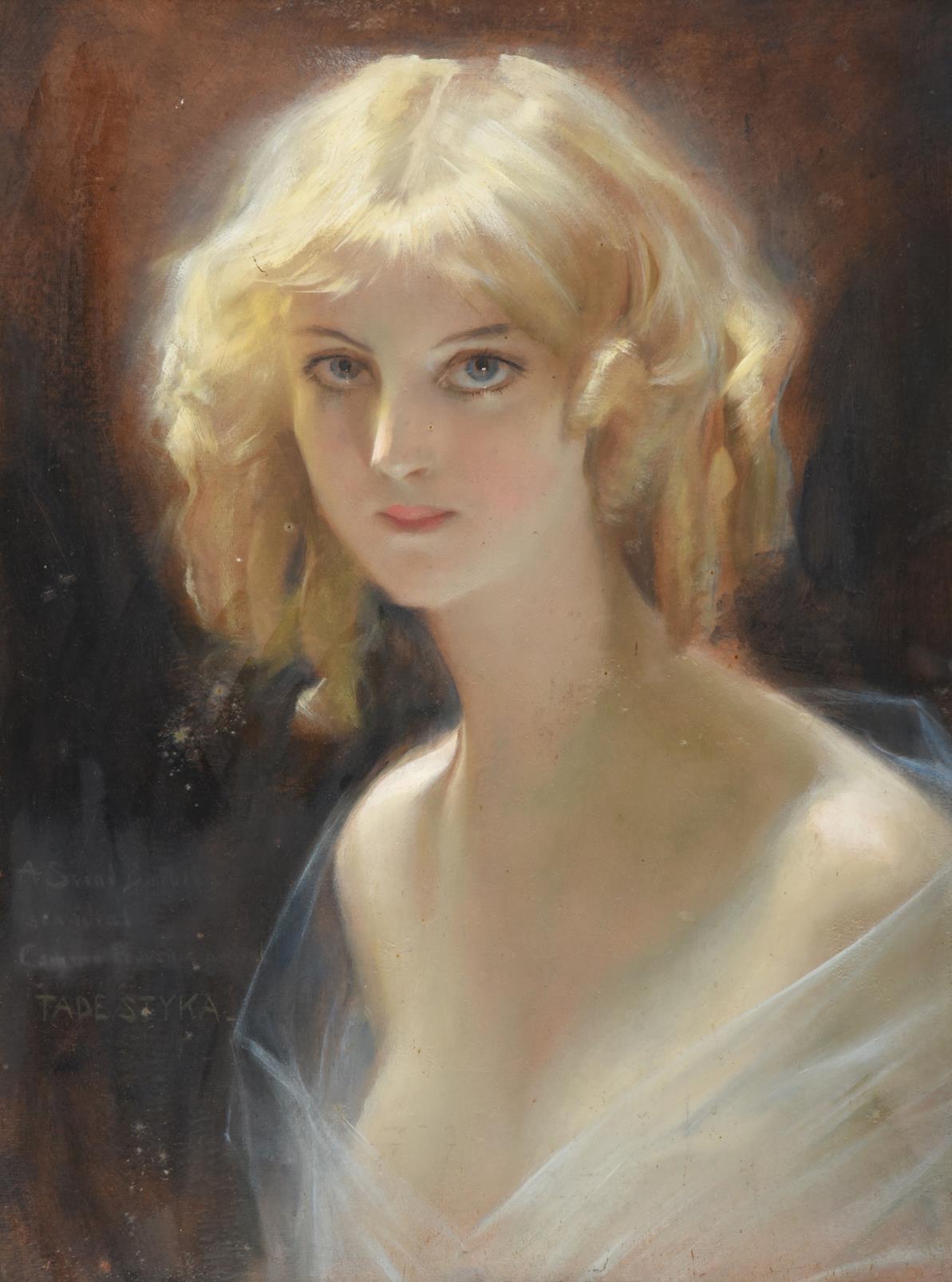
Tadeusz Styka. Portrait of a haunting beauty

Niski mój pokłon w kierunku Tadeusza Styki, jego talentu jako portretisty, wraz z zazdrością, że miał możliwość i…przyjemność portretowania takiej piękności.

Lot 1083. Tadeusz Styka (1889-1954) Polish. Portrait of a haunting beauty. Signed and indistinctly inscribed, oil on panel, 58cm by 43cm. Estimate 800 – 1,200 GBP. Tennants. 03/20/21. Sold 7,000 GBP

Abraham Neumann (1873 – 1942)

Abraham Neumann.

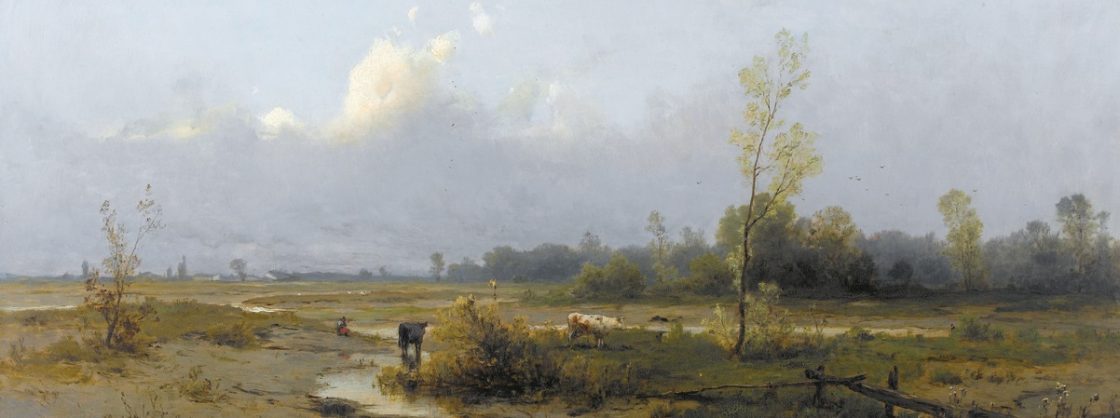
Pejzaż z wyprawy Abrahama Neumana do Palestyny. Ciekawia mnie te niebieskie dodatki domów. Aukcja zakończona, osiągięte ceny nie są mi znane ale chyba poczekałabym na inną pracę artysty – bardziej cenię te z terenów Polski a już najbardziej powstałe zaraz po studiach, te ‘Stanisławowskie’.

Lot 28. Abraham NEUMANN (1873-1942). Jérusalem. Huile sur toile. Signée en bas à gauche. Estimation : 1 000 – 1 500 €. (Restaurations) 46 x 71 cm. Ader. 03/18/21

Artur Szyk (1894 – 1951)

Artur Szyk. Salomé et la tête de Jean Baptiste, 1919

Lot 11. Arthur SZYK (1894-1951). Salomé et la tête de Jean Baptiste, 1919 Miniature à l aquarelle en tondo. Signée et datée en bas à gauche. Diamètre : 7 cm. Estimate 2 000 – 3 000 €. Ader. 03/18/21

Dwie akwarelowe miniaturki Arura Szyka z 1919 roku. Dwie opowieści historyczne namalowane z wielką precyzją na maleńkich krążkach wiekości medali.

Artur Szyk. Antoine et Cléopâtre, 1919

Lot 12. Arthur SZYK (1894-1951). Antoine et Cléopâtre, 1919 Miniature à l aquarelle en tondo. Signée et datée en bas à droite. Diamètre : 7 cm. Estimate 2 000 – 3 000 €. Ader. 03/18/21

Wojciech Kossak (1856 – 1942)

Wojciech Kossak. Frierender Ulane mit Verendetem Pferd umgeben von Raben, 1926

Smutna scena, obraz wygląda na prawdziwy.

Lot 1016. Kossak, Wojciech, auch Adalbert Ritter von ( 1857 in Paris; † 1942 in Krakau): Frierender Ulane mit Verendetem Pferd umgeben von Raben,Ölmalerei auf Malkarton rechts unten signiert “Wojciech Kossak 1926”, sehr eingängiges Motiv eines wohl österreichichen Ulans im Schnee, Zustand: rechte obere Kante min. restauriert, rückseitig Auktionsnummern und div. Unterschriften sowie Herstellerstempel Skra karmanski 16-4 krakow, Maße 34 x 23cm, in Aufwendiger Conzen Galerieleiste. Opening 800 euro. Daniel Meyer. 03/27/21. Sold 3,600 euro