Julian Stańczak (1928)

Stanczak

Wczesna praca Juliana Stańczaka zanim wypracował własny styl zwany Optical Art (Op Art). Op Art wniosło coś nowego do malarstwa (podoba się czy nie to inna sprawa), gdy praca jak powyższa prawdopodobnie była wzorowaniem się na innych.

—————————————————————

Lot 70146. JULIAN STANCZAK (American/Polish, b. 1928). Almost Can Be Peppers, 1958. Mixed media on canvas. 35-3/4 x 29-3/4 inches (90.8 x 75.6 cm). Signed, titled, and dated verso: J. Stanczak 58 / Almost Can Be Peppers

PROVENANCE:
The artist;
Verne Nazarek, Ohio, acquired from the above, circa 1950s;
Private collection;
Private collection, Pittsburgh, Pennsylvania, acquired from the above, circa 2013.

NOTE:
The artist has confirmed the authenticity of this work. Estimate: $8,000 – $12,000.

Condition Report*:

Original canvas; minor surface residue throughout, with small spots of residue at center left of painting; light wear to extreme edges with a few flecks of paint loss, most notable along top edge; light cracking with a surface scratch near the lower right corner; faint stretcher creases; otherwise, no visible condition issues. Framed Dimensions 36.5 X 30.25 Inches

Herritage. 5/31/15.

Jan Czesław Moniuszko (1853 – 1908)

Moniuszko

To czego należy oczekiwać po pracach Moniuszki: tańczący ułani, tańczący krakowiacy, kapela żydowska, karczma. Malowana pocztówka nawiązująca do okresu nadziei. Ładne, bo może trochę nieprawdziwe jak w teatrze, ale było potrzebne.

———————————————————–

Lot 1458. Czeslaw Jan Moniuszko. (1853-1908 Polish) Festive interior scene with soldiers and dancers, framed oil on wood plate, signed bottom center, approximate diameter of plate 15 1/2″, frame 23 1/2″ x 23 1/2″.

Condition: 2 vertical crack lines from top to bottom, small areas of paint loss on right edge, dust build up on edges, mat heavily age toned and has chips, frame has losses.

Estimate $2,000-3,000. Brunte. 5/31/15.

Stanisław Żukowski (1875 – 1944)

Zukowski-2

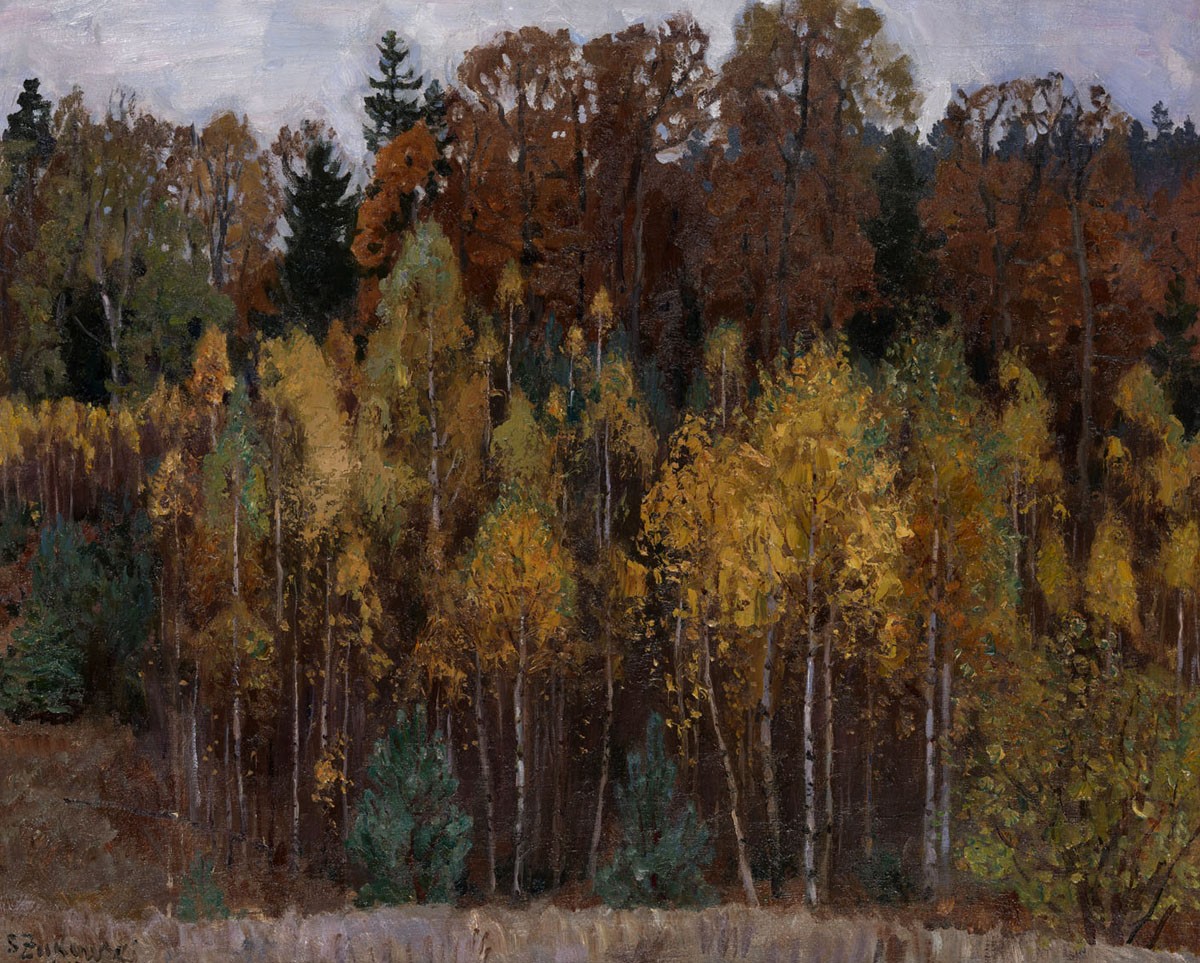
Dwie prace Stanisława Żukowskiego u MacDougalla. Krajobraz z rzeką płynącą przez las to jest dla mnie cymes. Druga praca jest już bardziej ‘pocztówkowa’ i trzeba dobrze poszperać by ew potwierdzić czy arcy-ekspert Petrov ma rzeczywiście rację czy też zatwierdza swoją pieczątką co napotka.

————————————————–

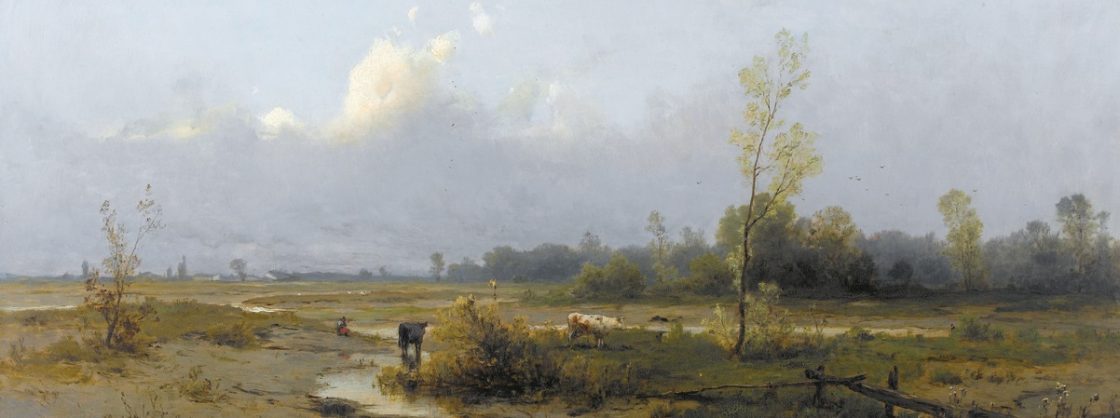
  1. 71. ZHUKOVSKY, STANISLAV (1875-1944) Forest River , signed and dated 1930, also further signed and inscribed “C. 1000 zl”. Oil on canvas, 53.5 by 64 cm.
    Authenticity of the work has been confirmed by the expert V. Petrov. Exhibited: Exhibition of the Society of Friends of Fine Arts, Krakow, Poland, No. 42 (label on the reverse).
    Estimated Price: £15,000 – £20,000. MacDougall’s. 6/3/15.

————————————————-

 Zukowski-1

  1. ZHUKOVSKY, STANISLAV (1875-1944). Autumn Landscape, signed and dated 1933. Oil on canvas, 60 by 74.5 cm. Authenticity of the work has been confirmed by the expert V. Petrov. Estimate 20,000-30,000 GBP


Andrzej Jerzy Mniszech (Mniszek) (1823 – 1905)

Mniszek

Mała nadzieja by Monsieur Jules CORNUAU zawitał pod polski dach.

——————————————————

Lot 49. Andrzej Jerzy Filip MNISZECH (1823-1905). Monsieur Jules CORNUAU. Huile sur panneau d’acajou, monogrammée AM et datée 1884; H 67 L 53 cm. Beau cadre en bois et stuc doré à décor de frises feuillagées et rangs de perles.

Estimate 1,500-2,000 euro. Millon. 6/1/15.

Alfred Wierusz-Kowalski (1849 – 1915)

2015052022_1

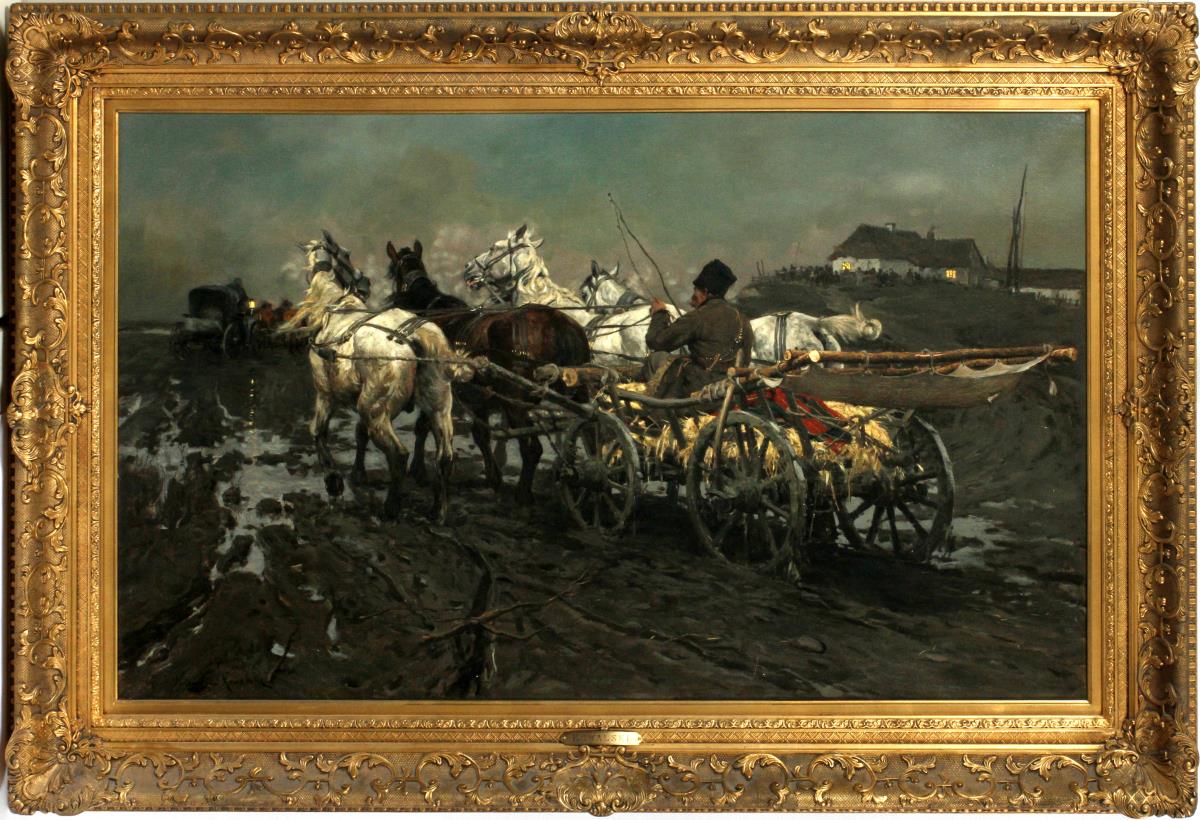
Lot 52022. ALFRED WIERUSZ KOWALSKI (POLISH 1849-1915), OIL ON CANVAS, H 29″, W 48″:Signed lower left. Depicting a man riding a hay cart pulled by team of four horses, following a coach. Cottage in distance with many figures walking towards it on muddy road. In elaborate, gilt wood and gesso frame. Estimate $75,000-150,000. DuMuchelles. 5/17/15.

Alfred Wierusz-Kowalski (1849 – 1915)

Wierusz

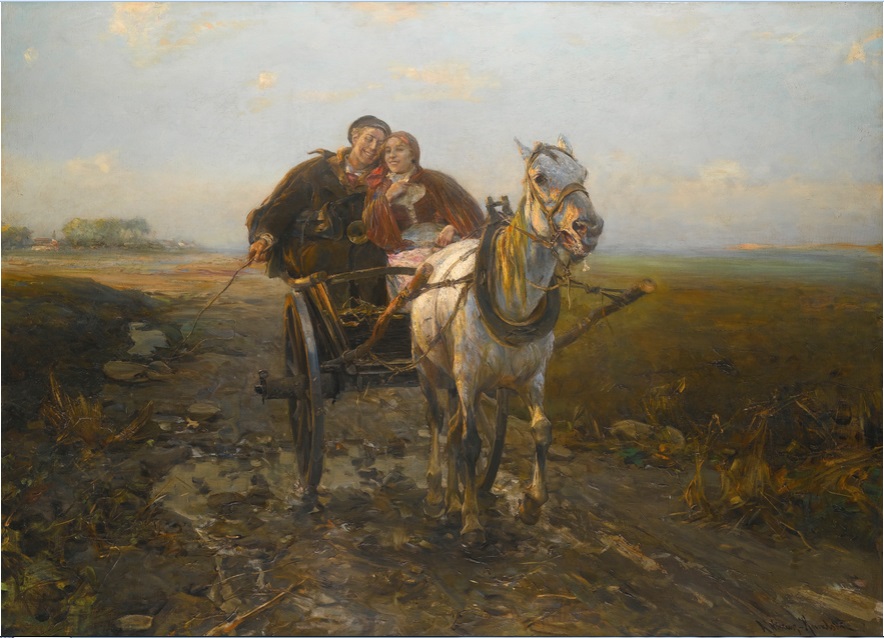
Lot 43. Alfred Wierusz-Kowalski 1849-1915. THE MERRY RIDE; signed A. Wierusz-Kowalski lower right; oil on canvas; 133 by 181.5cm., 52½ by 71½in.

Provenance: Private Collection, Rhineland Palatinate, Germany (acquired from the Munich exhibition in 1909).

Exhibited: Munich, Glaspalast, Internationale Kunstausstellung im königlichen Glaspalast, 1909, no. 840. Painted circa 1890-1900. Estimate 40,000 — 60,000. Sothebys. 5/21/15.

Tadeusz Was (1912 – 2005)

Was-1

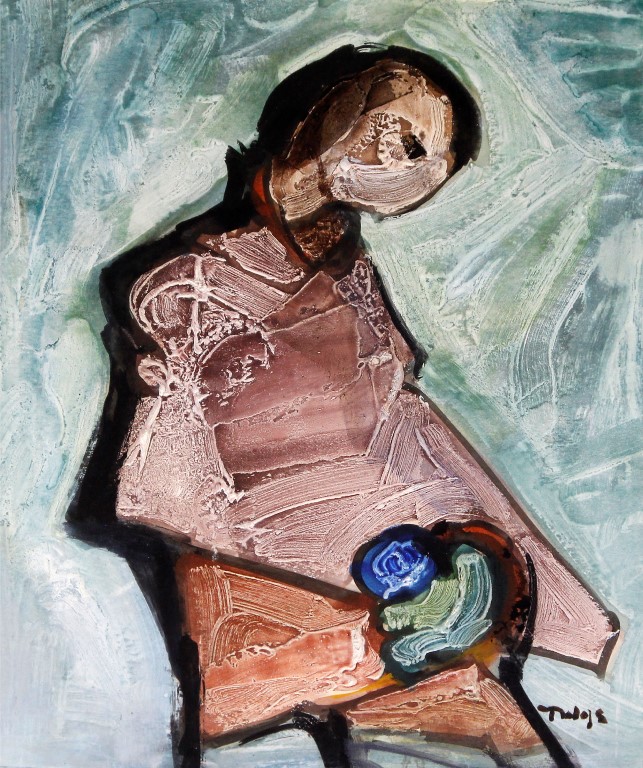
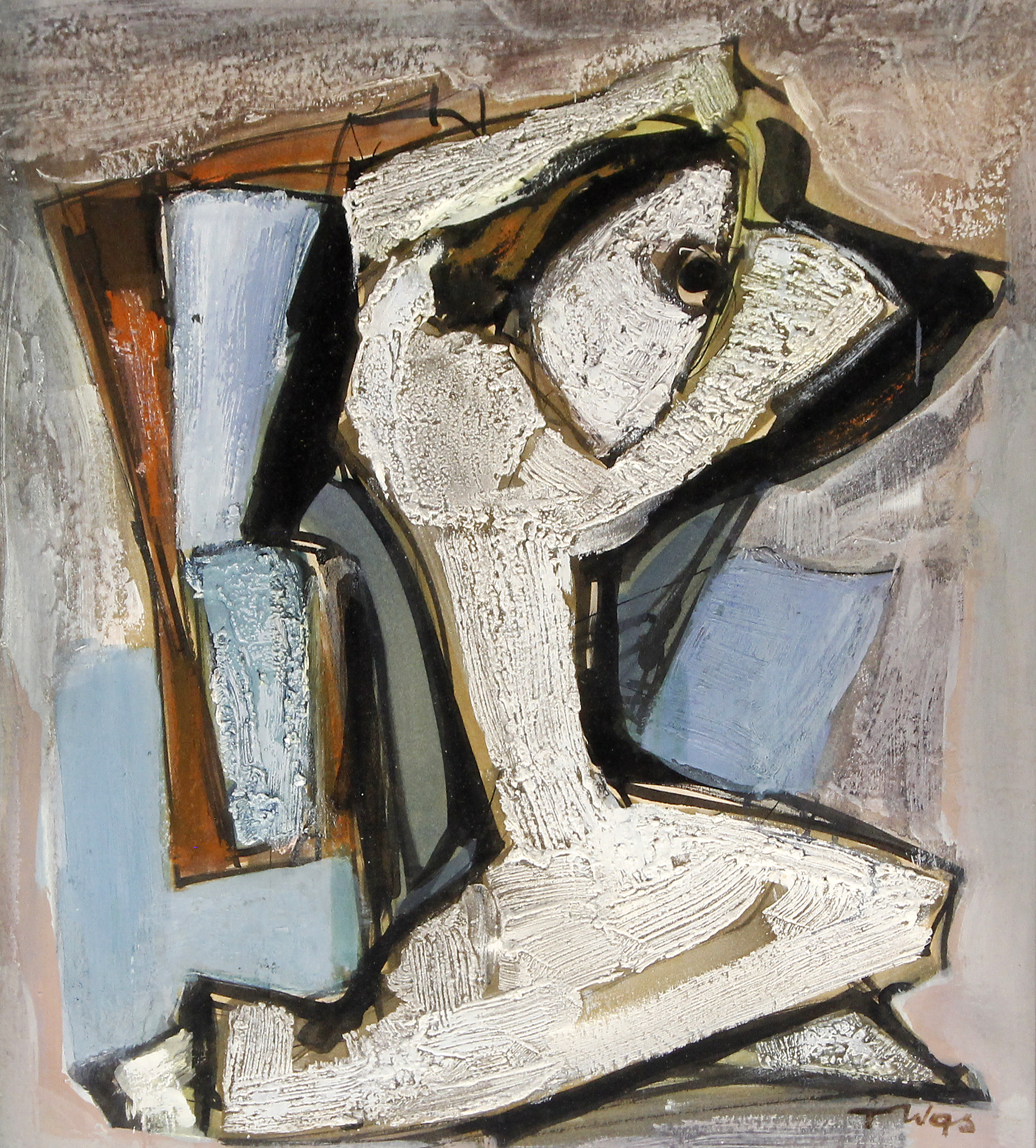
Lot 1134. Tadeusz Was (Polish, 1912-2005) – ‘Abstract Figurative’ Thick impasto and mixed media, signed, approx 42x33cm, framed. (illustrated)

Estimate: 300 GBP – 500 GBP. Wright Marschall. 5/12/15.

————————————————–

 Was-2

Lot 1135. Tadeusz Was (Polish, 1912-2005) – ‘Abstract Figurative’ Thick impasto and mixed media, signed, approx 44x35cm, framed. (illustrated)

Estimate: 300 GBP – 500 GBP .

————————————————–

 Was-3

Lot 1136. Tadeusz Was (Polish, 1912-2005) – ‘Abstract Figurative’ Thick impasto and mixed media, signed, approx 45x35cm, framed. (illustrated)

CONDITION REPORT: Damage upper left, other minor blemishes, needs cleaning also.

Estimate: 300 GBP – 500 GBP

Maksymilian Gierymski (1846 – 1874)

Gierymski

Paca wzbudzi zainteresowanie.

——————————————————-

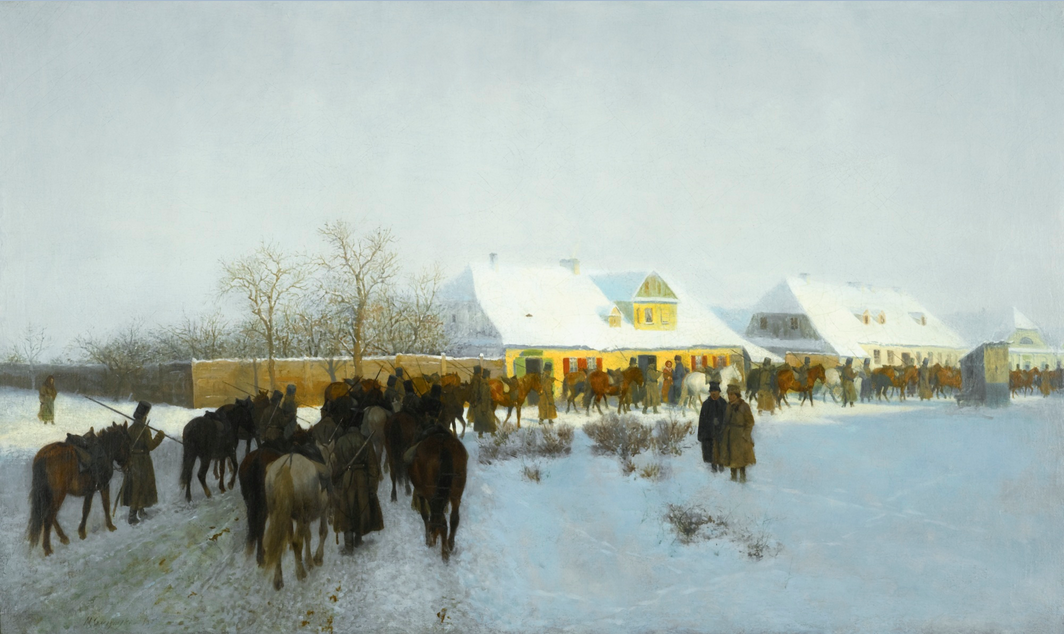
Lot 17. Maksymilian Gierymski 1846-1874 POLISH. POLISH MILITIAMEN; signed M. Gierymski and indistinctly dated 187[?] lower left; oil on canvas laid on panel; 48 by 80cm., 19 by 31½in.

Provenance

Galerie Commeter, Hamburg
Wilhelm Spangenberg (purchased from the above); thence by descent to the present owners

Catalogue Note

Painted circa 1872, the present work was inspired both by Maksymilian Gierymski’s personal experience as a Polish insurgent fighting the Russian forces in the January Uprising of 1863,  and by the landscapes of  his homeland, which he revisited with his brother Aleksander in the summers of 1870-72.

Gierymski was a Munich-based painter and draughtsman, and together with Jozef Brandt and his younger brother Aleksander one of the greatest  Polish representatives of the so-called Munich school. He was a precursor of realism in Polish painting of the second half of the 19th century, an artist capable of finding beauty and poetry in the everyday prose of life and the mundane reality of provincial towns, often depicting autumn or winter landscapes or village scenes that constituted backgrounds for tired soldiers passing through them, as in the present work.

Gierymski was the eldest son of a military clerk and member of the Warsaw intelligensia. In 1863 Gierymski, then aged seventeen, joined the Polish insurgents to participated in the January Uprising, during which he most probably fought in the Lublin and Kielce regions. His experiences from this period – the uneven fight of the poorly armed Polish units against the Russian forces, which ended with defeat for the rebels and the subjugation of the Polish nation – left a permanent mark on his psyche.

After the failure of the uprising, Gierymski managed to avoid the Russian authorities’ reprisals and in 1867 received a government scholarship to study fine art at the Munich academy. He befriended Jozef Brand and became a student at the private workshop of the then-famous battle painter Franz Adam.

From around 1869, Gierymski increasingly focused on depicting  military insurgent themes. Despite being strongly influenced by Adam, he never became a battle painter. Having experienced war first hand, Gierymski was not interested in the noise of battle,  or in showing the brutal violence and the heroism of fighting soldiers. Instead he depicted the dull, everyday reality of soldiers – slow marches, horse patrols, stops at poor country farmsteads and forest camps. ‘’His youthful memories from 1863 were coming back to him. He was capable of transferring them to canvases, with an authenticity that moves with the tragic truth about those days. In an analogic way, he created scenes referring to the times of the November Uprising, in which he accentuated not the historical-documentary values but the tiresome, toilsome character of a soldier’s life (A March of Polish Cavalrymen in 1830, around 1869; A Staff Adjutant from the Year 1830, around 1869). Being faithful to his style, he presented Polish insurgents, Russian Cossacks and Austrian hussars similarly. Just as important as the anonymous, nameless figures of soldiers are the landscapes. Most often set in autumn or winter, they constitute not only a background for the depicted events but also the world of the portrayed people which determines the conditions of these people’s fight and their everyday lives.’’ (Ewa Micke-Broniarek, The National Museum in Warsaw, December 2004).

Works such as Polish Militiamen skillfully render an atmosphere of sad reverie tinged with the bitter consciousness of defeat and the lost hopes for regaining independence: ‘The world captured on his canvases was most often a warm recollection of his homeland, filtered through the imagination of a realist painter with a masterful technique. Gierymski closely observed his surroundings, he made use of precise sketches and photographs of motifs or posing models, he finished certain details with the precision of a miniaturist, nevertheless his works were never solely imitations of nature but “imitations of the world’ born from personal emotions. This representative of the generation of positivists, who had been fascinated with Polish romantic poetry from his childhood days and admired Artur Grottger’s works, was both calmly rational and romantically sensitive and emotional. His artistic stance was characterized by a total lack of ostentation – Gierymski never dramatized, strengthened expression or imposed himself on the viewer; his paintings combine subtlety of form and power of expression, a personal contemplative approach to nature and faithfulness in the reproduction of nature’.

Sothebys. Estimate 80,000 — 120,000 GBP. 5/21/15
Włodzimierz Terlikowski (1873 – 1951)

Terlikowski

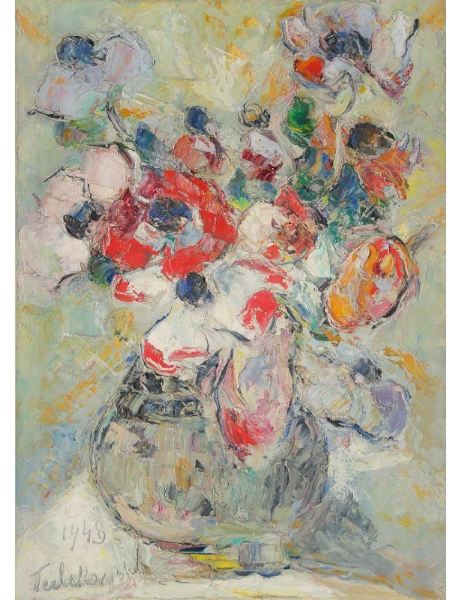
LOT n°203. Vladimir TERLIKOWSKI (1873-1951). Bouquet de fleurs, 1948. Huile sur toile. Signée et datée en bas à gauche. 46 x 33 cm

Estimate 1,000-1,500. Ader. 5/20/15

 —————————————————-

Terlikowski-2

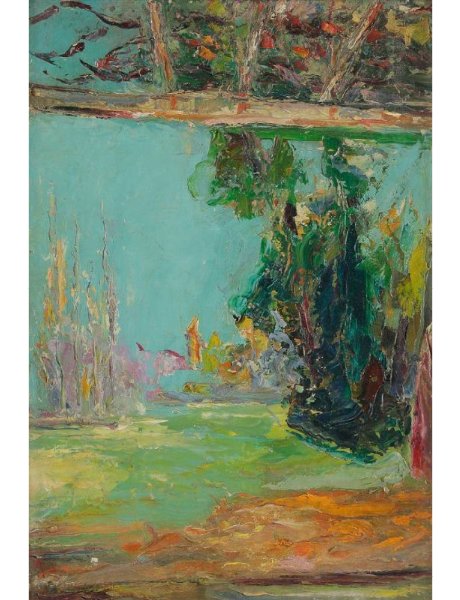
LOT n°204. Vladimir TERLIKOWSKI (1873-1951) . Le Jardin. Huile sur toile. Signée en bas à gauche. 55 x 38 cm

Estimate 1,000-1,500. Ader. 5/20/15

Artur Szyk (1894 – 1951)

Szyk

Lot 581. ARTHUR SZYK (POLISH 1894-1951). A Jewish Pauper Boy, 1940; gouache, pencil, and ink on paper; 21.5 x 13.5 (8 1/2 x 5 1/4 in.); signed, dated and inscribed Arthur Szyk London 1940 lower right

Estimate 6,500 USD – 7,500 USD. Shapiro. 5/16/15.