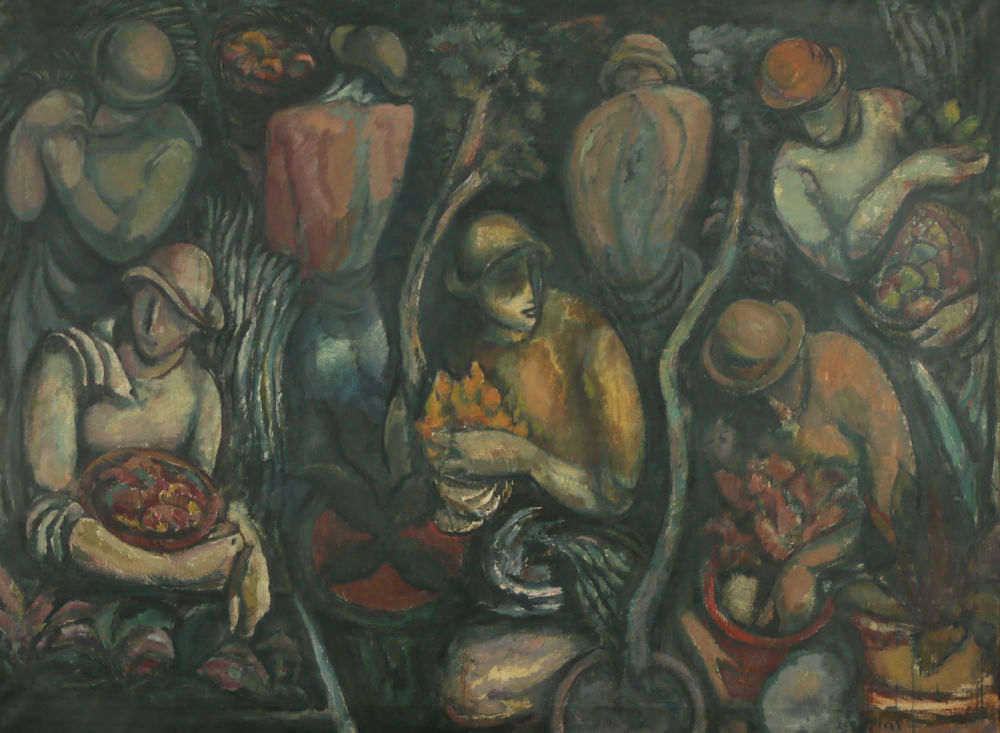
O ten obraz Leopolda Gottlieba toczyła się niezwykle zażarta walka. Licytacja rozpoczęła się od $40,000. W katalogu brakowało informacji o pochodzeniu tej pracy ale musiała być potężna. Obraz niewątpliwie muzealnej wartości.
Lot 98. Leopold Gottlieb 1883 – 1934. Figures in the Garden. Oil on canvas, 104×144 cm. Signed. Estimate $70,000 – 100,000. Tiroche. 09/10/23. Sold $170,000
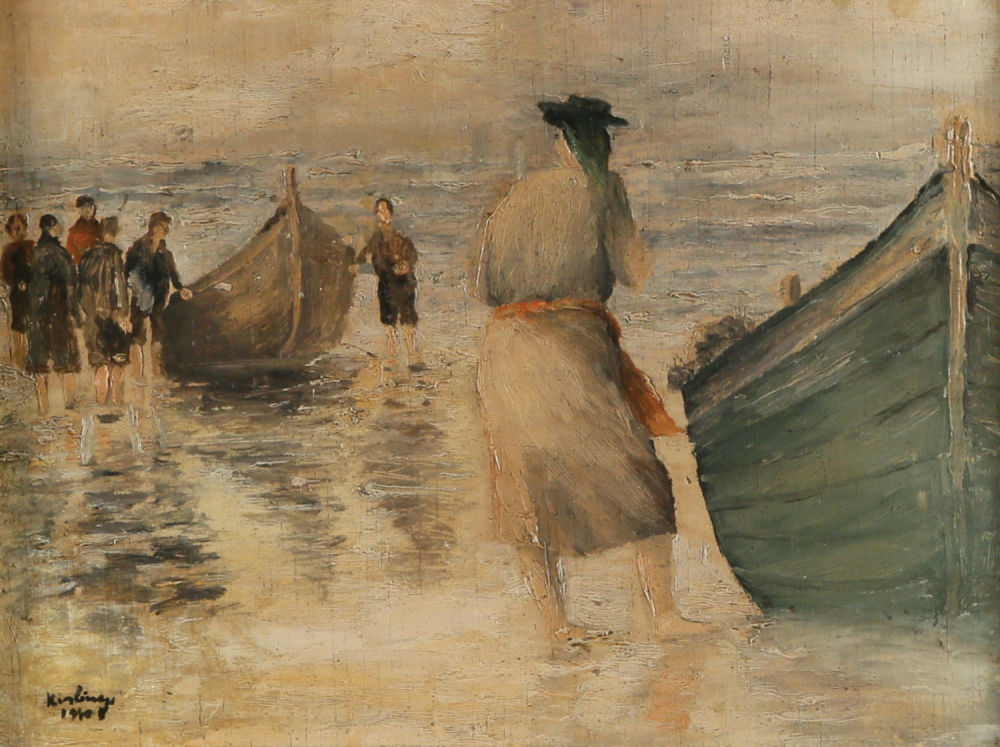
Jak na olej Kislinga to obecnie cena zakupu nie była wysoka. Temat jednak trochę nietypowy, być może odbiegający od oczekiwań.
Lot 91. Moise Kisling 1891 – 1953. Nazar Beach, 1940. Oil on wood, 26×33 cm. Signed and dated. Literature: J. Dutoud, Kisling 1891-1953, Landshut, 1995, vol. III, no. 114, p. 333 (illustrated). Estimate $18,000 – 25,000. Tiroche. 09/10/23. Sold $17,000
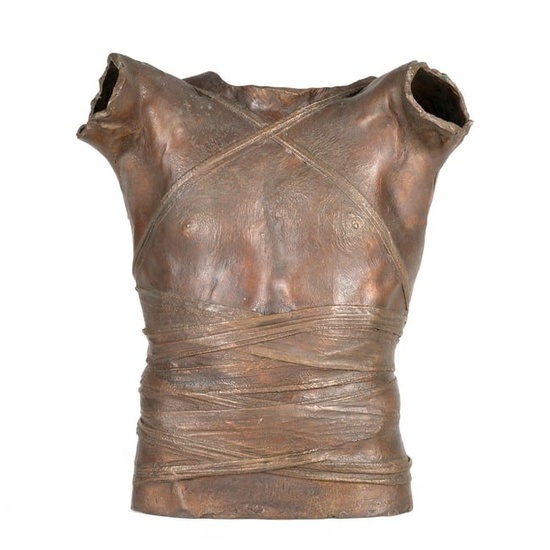
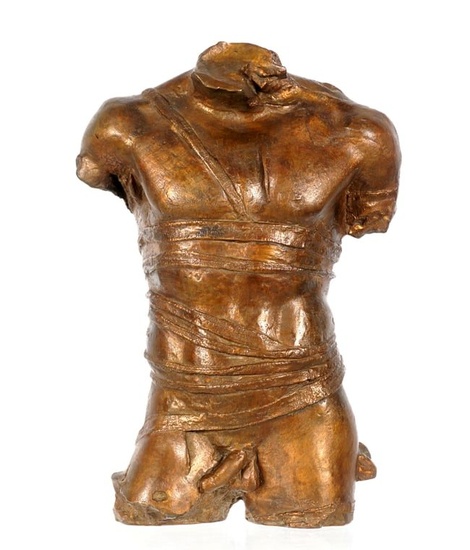
Lot 103. MITORAJ, Igor, (Polish, 1944-2014): Circa 1986, “Grepol” large carved marble nude male torso with binding straps, overall 36″ h. x 24″ x 12.5″. Sold with signed exhibition book showing a similar, but not identical example, and two photos of this piece in the studio. Condition: Multiple chips and losses, obvious signs of weathering from outdoor exhibition. Mitoraj was a personal friend of the brother of the consignor. Sold with the original bill of sale from 1980, a hand written letter regarding the sale of a piece of art, exhibition book and more. Estimate $30,000 – 40,000. Amero Auctions. 09/10/23. Sold $42,500
To dość niezwykła kolekcja rzeźb Igora Mitoraja na sukcji w Amero Auctions na Florydzie. Większość rzeźb, za wyjątkiem dwóch, to prace niskonakładowe, właściwie wykonane w kilku egzemplarzach. W późniejszym okresie, chyba francuski Artcurial zabrał się za masową produkcję niektórych spośród nich i te (w zasadzie bezwartościowe) nakłady sięgają kilku tysięcy egzemplarzu i są w ciągłej sprzedaży, również w Polsce. Rzeźby z obecnej aukcji są chyba pomiejszone w stosunku do wielkich orginałów lecz ich zaletą jest ten niski nakład oraz wymiar pozwalający na ekspozycję w domu. Prezentuję je wszytkie z aukcji oczekując zaskoczenia w przebiciach bardzo niskich cen estymacyjnych.
Igor Mitoraj.Untitled (8/8)
Lot 104. MITORAJ, Igor, (Polish, 1944-2014): Untitled patinated bronze figure of a clothed and bound torso, signed and numbered 8/8. Overall 24.75″ h. x 21″ x 14″. Mitoraj was a personal friend of the brother of the consignor. Sold with Artcurial 1978 Exhibition catalog with this bronze listed. Estimate $,0800 – 12,000. Amero Auctions. 09/10/23. Sold $14,000
Igor Mitoraj.Corazza Media (4/30)
Lot 105. MITORAJ, Igor, (Polish, 1944-2014): “Corazza Media” patinated bronze wrapped bust, signed and numbered 4/30, FONDERIA TESCONI PIETRASANTA foundry stamp, overall 23.5″ h. x 20″ x 9″. Mitoraj was a personal friend of the brother of the consignor. Sold with a catalog with similar example photographed , hand drawn inscription by Mitoraj inside cover. Estimate $8,000 – 12,000. Amero Auctions. 09/10/23. Sold $13,000
Igor Mitoraj.Buclier
Lot 106. MITORAJ, Igor, (Polish, 1944-2014): “Bouclier“, patinated bonze partial torso and face of a man, signed and FONDERIA TESCONI PIETRASANTA foundry stamp, overall 20.5″ h. x 11.5″ x 5.5”. Sold with an unassociated exhibition catalog. Mitoraj was a personal friend of the brother of the consignor. Condition: Spot of paint transfer on chin. Estimate $5,000 – 7,000. Amero Auctions. 09/10/23. Sold $12,000
Igor Mitoraj.Untitled
Lot 107. MITORAJ, Igor, (Polish, 1944-2014): Untitled patinated bronze figure of a wrapped male torso, signed, overall measures 17″ h. x 19″ x 4.5″. Sold with a1977 Artcurial catalog with this lot photographed. Mitoraj was a personal friend of the brother of the consignor. Estimate $3,000 – 5,000. Amero Auctions. 09/10/23. Sold $12,000
Igor Mitoraj.Disque Soaire (7/8)
Lot 108. MITORAJ, Igor, (Polish, 1944-2014): “Disque Solaire“, Round patinated bronze plaque / disc with figural nude man in center, signed and numbered 7/8, FONDERIA TESCONI PIETRASANTA foundry stamp, 23.5″ dia x 2.5” deep. Sold with Certificate of Authenticity signed by Mitoraj and a 1978 Artcurial catalog with and example of this lot photographed. Mitoraj was a personal friend of the brother of the consignor. Condition: Spots of verdigris, uneven finish. Estimate $3,000 – 5,000. Amero Auctions. 09/10/23. Sold $14,000
Igor Mitoraj.Grepol Piccolo (EA)
Lot 119. MITORAJ, Igor, (Polish, 1944-2014): “Grepol Piccolo” patinated bronze wrapped nude male torso and hips signed, FONDERIA TESCONI PIETRASANTA foundry stamp, ARTCURIAL stamp on base, Numbered EA2, overall 11.75″ h. x 8.25″ x 4″. Sold with Certificate of Authenticity signed by Mitoraj. Mitoraj was a personal friend of the brother of the consignor. Estimate $2,000 – 4,000. Amero Auctions. 09/10/23. Sold $4,250
Igor Mitoraj.Grepol Piccolo, (EA1)
Lot 120. MITORAJ, Igor, (Polish, 1944-2014): “Grepol Piccolo” patinated bronze wrapped nude male torso and hips signed, FONDERIA TESCONI PIETRASANTA foundry stamp, ARTCURIAL stamp on base, numbered EA1 overall 11.75″ h. x 8.25″ x 4″. Sold with a Certificate of Authenticity signed by Mitoraj. Mitoraj was a personal friend of the brother of the consignor. Estimate $2,000 – 4,000. Amero Auctions. 09/10/23. Sold $3,750
Igor Mitoraj.Grepol Piccolo
Lot 121. MITORAJ, Igor, (Polish, 1944-2014): “Grepol Piccolo” patinated bronze wrapped nude male torso and hips signed, FONDERIA TESCONI PIETRASANTA foundry stamp, ARTCURIAL stamp on base, overall 11.75″ h. x 8.25″ x 4″. Mitoraj was a personal friend of the brother of the consignor. Estimate $2,000 – 4,000. Amero Auctions. 09/10/23. Sold $4,500
Igor Mitoraj. Tette Endormie (7/8)
Lot 122. MITORAJ, Igor, (Polish, 1944-2014): “Tete Endormie” (Sleeping Head)”, patinated bronze wrapped bust, signed and numbered 7/8, overall 7 h. x 10.5″ x 7.5″. Mitoraj was a personal friend of the brother of the consignor. Condition: Spot of patina wear. Sold with the original bill of sale from 1977. Estimate $3,000 – 5,000. Amero Auctions. 09/10/23. Sold $14,000
Igor Mitoraj. Exorce II (19/20)
Lot 123. MITORAJ, Igor, (Polish, 1944-2014): “Ecorce II” patinated bronze partial male torso with wraps, signed and numbered 19/20, Blanchet Foudeur foundry mark, ARTCURIAL stamp on base. Overall 11.5″ x 8.75″ x 2.5″. Sold with Certificate signed by Mitoraj and exhibition catalog with this lot photographed. Mitoraj was a personal friend of the brother of the consignor. Estimate $2,000 – 3,000. Amero Auctions. 09/10/23. Sold $6,500
Igor Mitoraj. Stella (EA 1/X)
Lot 141. MITORAJ, Igor, (Polish, 1944-2014): “Stella“, patinated bronze partial bust and torso, signed and numbered EA 1/X, ARTCURIAL stamp, FONDERIA TESCONI PIETRASANTA foundry stamp. Overall 9″ h. x9.75″ x 3.25”. Mitoraj was a personal friend of the brother of the consignor. Estimate $3,000 – 5,000. Amero Auctions. 09/10/23. Sold $6,500
Igor Mitoraj.Bocca
Lot 142. MITORAJ, Igor, (Polish, 1944-2014): “Bocca“, patinated bronze figure of a mouth, signed, FONDERIA TESCONI PIETRASANTA foundry stamp. Overall 4.75″ h. x 8″ x 5.5”. Mitoraj was a personal friend of the brother of the consignor. Estimate $2,000 – 4,000. Amero Auctions. 09/10/23. Sold 43,500
Igor Mitoraj. Les Mains (44/250)
Lot 143. MITORAJ, Igor, (Polish, 1944-2014): “Les Mains“, gilt bronze bound clasped hands around a pole, on marble base, signed and numbered 44/250, Blanchet Foundeur foundry stamp, overall with base 27.25″ x 7″ x 4”. Sold with Certificate of Authenticity signed by Mitoraj, Mitoraj was a personal friend of the brother of the consignor. Estimate $2,000 – 4,000. Amero Auctions. 09/10/23. Sold $5,500
Igor Mitoraj.Les Mains (11/250)
Lot 144. MITORAJ, Igor, (Polish, 1944-2014): “Les Mains“, patinated bronze bound clasped hands around a pole, on marble base, signed and numbered 11/250, ARTICURAL foundry stamp, overall with base 27.25″ x 7″ x 4”. Sold with a Levy Gallery catalog with similar example photographed. Mitoraj was a personal friend of the brother of the consignor. Estimate $2,000 – 4,000. Amero Auctions. 09/10/23. Sold $4,750
Igor Mitoraj.Argos (EA)
Lot 145. MITORAJ, Igor, (Polish, 1944-2014): “Argos“, silvered bronze figure of a wrapped head bust, signed and numbered EA, FONDERIA TESCONI PIETRASANTA foundry stamp, scratch marked EA, overall 8.5″ h .x 10″ x 4.5”. Sold with a 1984 catalog with similar example photographed. Mitoraj was a personal friend of the brother of the consignor. Estimate $3,000 – 5,000. Amero Auctions. 09/10/23. Sold $7,000
Igor Mitoraj.Pain (6/8(
Lot 146. MITORAJ, Igor, (Polish, 1944-2014): “Pain” Patinated bronze sculpture of pair of hands inset into uneven sphere, signed and numbered 6/8. 4″ h. x 7.75″. Sold with Certificate of Authenticity signed by Mitoraj and Artcurial catalog with similar example photographed. Estimate $2,000 – 4,000. Amero Auctions. 09/10/23. Sold $4,250
Prac Stanisława Dębickiego jest mało na rynku. Jego Portret myśliwego jest niezły i lecz równocześnie może być mało atrakcyjny dla kolekcjonerów. W dodatku, obraz najwyraźniej przyjechał do Niemiec z Polski, gdzie był wystawiany w estymacją 18,500 – 22,000 złotych w 2015 roku. Mamy zatem nieudaną ponowną próbę sprzedaży tej akwareli, chyba na polski rynek bo pocóż Niemcowi taka droga praca. Z kolei rasowy polski handlarz dobrze sprawdzi, że na nim nic nie zarobi. I tak w koło Macieju.
Lot 2010. Stanislaw Mieczyslaw Debicki (1866 Lubaczów – 1924 Krakau). Porträt eines vornehmen Jägers. Realistisches feinmalerisch ausgeführtes Hüftbildnis im Halbprofil, dargestellt ist ein selbstbewusst posierender Mann in den mittleren Jahren, bekleidet mit hellgrauem Jagdanzug und Hut sowie schwarzen Handschuhen, der mit der linken Hand den Lauf seines Gewehrs festhält. Der polnische Maler und Illustrator studierte an den Akademien in Wien, Krakau und München bei Christian Griepenkerl, Wladyslaw Luszczkiewicz, Sándor Wagner und privat bei Paul Nauen; 1890/91 besuchte er überdies die Académie Colarossi in Paris. 1897 gehörte Debicki den ersten Mitgliedern der von Gustav Klimt und anderen Künstlern neugegründeten Wiener Secession. Seit 1909 unterrichtete er an der Akademie in Krakau, 1911-1923 als Professor. Aquarell/Papier. R. u. sign.; Ca. 60,5 cm x 43 cm (Passepartoutausschnitt). Rahmen. Watercolour on paper. Signed. Estimate 3,900 – 7,800 euro. Schloss Ahlden. 09/10/23. Not sold
Lot 2627. Adam Marczukiewicz (Geb. 1958 in Olkusz). Flöte spielender Gaukler. Der polnische Künstler Marczukiewicz studierte an der Akademie in Krakau Grafik, Malerei im Atelier von bei Prof. Zbyslaw Maciejewski und Lithographie bei Prof. Wlodzimierz Kunz. Öl/Lwd.; R. u. sign.; 90 cm x 69,5 cm. Rahmen. Oil on canvas. Signed. Estimate 180- 360 euro. Schloss Ahlden. 09/10/23. Sold 240 euro
Bardzo ciekawy malarz w którego tworczości widać ręke Zbysława Maciejewskiego. Prace sprzedawane są za bezcen. Kiedyś zostaną oszacowane właściwie
Adam Marczukiewicz.Freizügiges Kostümfestm 1987
Lot 2628. Adam Marczukiewicz (Geb. 1958 in Olkusz). Freizügiges Kostümfest. Gouache/Papier. R. u. sign. u. dat. (19)87. 21 cm x 30 cm. Rahmen. Estimate 280 – 560 euro. Schloss Ahlden. 09/10/23. Sold 280 euro
Adam Marczukiewicz. Karneval
Lot 2626. Adam Marczukiewicz (Geb. 1958 in Olkusz). Karneval. Öl/Papier. R. u. sign.; Darstellung 26,5 cm x 18,5 cm (Passepartoutausschnitt). Rahmen. . Estimate 100 – 200 euro. Schloss Ahlden. 09/10/23. Not sold
Adam Marczukiewicz.Karneval, 1989
Lot 2625. Adam Marczukiewicz (Geb. 1958 in Olkusz). Karneval. Öl/Lwd.; R. u. sign. und dat. (19)89, verso undeutl. Stempel wohl mit Monogr.; 90 cm x 70 cm. Rahmen. Estimate 180 – 360 euro. Schloss Ahlden. 09/10/23. Sold 260 euro
Lot 2708. Julian Falat (1853 Tuliglowy bei Lemberg – 1929 Bystra bei Bielsko-Biala). Entenjagd am Seeufer. Öl/Malkarton. L. u. sign. u. dat. 1919. 52 cm x 120 cm. Rahmen. Oil on cardboard. Signed and dated 1919. Estimate 18,000 – 36,000 euro. Schloss Ahlden. 09/09/23. Sold 15,000 euro
From or at, na pewno totalni idioci w Schloss Ahlden. Gratulacje dla ekspertów w Niemczech ze Schloss Ahlden. Jeśli sprzedaż będzie udana to na pewno nadejdą do was kolejne arcydzieła polskiego malarstwa. Wyceny doprawdę wzięte z Polski. Jakże łatwo stoczyć się do rowu pełnego nieczystości. Handlarze, do aukcji – polskie domy na was czekają!
Jakiś wielki frajer wylicytował ten obraz za 15,000 euro. Miej Panie nad nim zmiłowanie
Julian Fałaciaty. Schlesische Winterlandschaft bei Bystra
Lot 2707. Julian Falat (1853 Tuliglowy bei Lemberg – 1929 Bystra bei Bielsko-Biala/Schlesien). Schlesische Winterlandschaft bei Bystra. Gouache/Papier. R. u. sign. u. dat. 1924 mit Ortsangabe Bystra. 38,5 cm x 49 cm (Passepartoutausschnitt). Rahmen. Estimate 3,600 – 7,200 euro. Schloss Ahlden. 09/09/23. Not sold
Jerzy Kossaczek.Rastender polnischer Soldat mit seinem Pferd
Lot 2709. Wojciech Kossak (1857 Paris – 1942 Krakau). Rastender polnischer Soldat mit seinem Pferd. L. u. sign. u. dat. 1922. 68 cm x 48 cm. Rahmen. Oil on cardboard. Signed and dated 1922. Estimate 5,500 – 11,000 euro. Schloss Ahlden. 09/09/23. Not sold
Leopold Gottlieb. Soldiers of the Polish Legions, 1916
Dom aukcyjny zastrzegł, że obie odbitki (prints?) zostały wykonane ‘after’ Lepopold Gottlieb. Wydaje się, że oryginały były ręki Gottlieba, autora wielu podobnych prac z okresu legionowego. Chciałoby się, aby obie prace były oryginalnymi rysunkami ale trudno to ocenić na podstawie jedynie fotografii. Może kupujący zostanie mile zaskoczony.
Lot 335/ After Leopold GOTTLIEB (1879-1933). Soldiers of the Polish Legions. Two prints signed in the plate. 45 x 33 cm (1) 36 x 25;5 cm (2) Provenance: KUPFER Collection. Estimate 50 – 100 euro. Oger – Blanchet. 09/08/23. Sold 140 euro.
Leopold Gottlieb. Soldiers of the Polish Legions, 1916
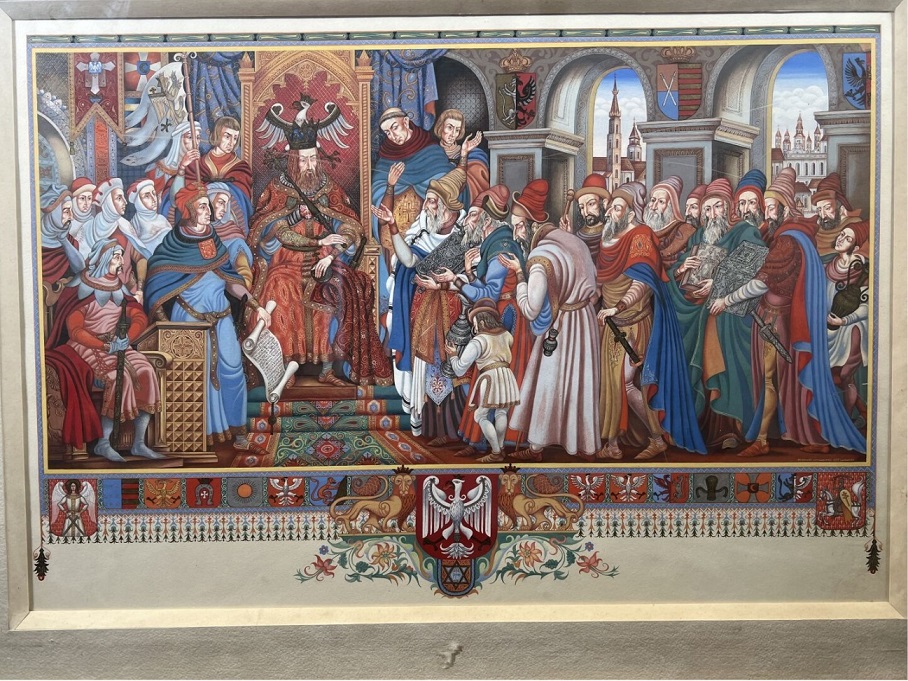
Staniaław Konarz-Konarzewski.The Israelites with King Casimir the Great
Lot 177. Stanislaw KONARZ-KONARZEWSKI (1914-1999). The Israelites with King Casimir the Great. Tempera on paper. 38.5 x 58.5 cm (view). Provenance: KUPFER Collection KUPFER Collection. Estimate 50 – 100 euro. Oger-Blanchet. 09/08/23. Sold 280 euro
Artysta o wielkim potencjale lecz życiorysie naznaczonym tragediami. Malarstwo może przypominać nieco tematykę wypracowaną przez Artura Szyka.
Staniaław Konarz-Konarzewski. Talmud
Lot 178. Stanislaw KONARZ-KONARZEWSKI (1914-1999). Talmud reading. Tampera and brush on paper. 34.8 x 44.6 cm. Provenance: KUPFER Collection KUPFER Collection. Estimate 50 – 100 euro. Oger-Blanchet. 09/08/23/ Sold 225 euro
Lot 1506296. Leszek Piasecki (Poland, 1928-1990). Signerad Laszek Piasecki. Duk 60 x 90 cm. Estimate 3,000 SEK. Bukowski’s. 09/08/23. Sold SEK 4,200 (ca $380)
Obrazki Konarskiego nieźle się sprzedają w Polsce i każdy chyba dom aukcyjny przyjmuje je z otwartymi rękami gdyż zabłąkanych klientów nie brakuje na krajowym rynku. Handlarz kupił, handlarz sprzeda.
Lot 2739. JAN KONARSKI Polish painter, 1850 – 1918. Followed by wolves. Oil on canvas. 35 x 50 cm (F. 52 x 67 cm). Signed lower right ‘J. Konarski’. Part. min. abraded, slightly soiled. Frame. Opening 1,200 euro. Hargesheimer Kunstauktionen Düsseldorf. 09/08/23. Sold 2,600 euro