Eugeniusz Zak (1884 – 1926)

zak
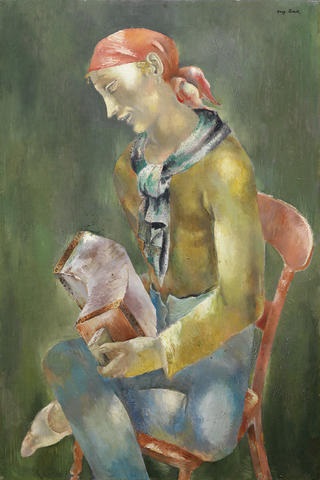
Eugeniusz Zak, Junger Mann mit blauer Kappe, 1923

Lot. 116001585. Eugeniusz Zak. Junger Mann mit blauer Kappe. Um 1923. Oil on canvas. Lower left signed. 100 x 81 cm (39.3 x 31.8 in). Estimate: € 60,000 / $ 67,200. Ketterer. 12/10/16 (16156250)


LITERATURE: H. Ritter, Ewige Romantik, in: Deutsche Kunst und Dekoration: illustr. Monatshefte für moderne Malerei, Plastik, Architektur, Wohnungskunst u. künstlerisches Frauen-Arbeiten, 1925, issue 56, p. 228 wit illu.
Barbara Brus-Malinowska, Eugeniusz Zak: 1884 – 1926, Warszawa 2004, p. 150, no. 196.

Essay

The painter Eugeniusz Zak, an important representative of the École de Paris at the beginning of the 20th century, was born the son of an engineer of Jewish-Polish origin in Moligno, Belarus in 1884. After his father’s death the family relocated to Warsaw in 1892, where Eugeniusz Zak completed secondary school. In 1902 Zak moved to Paris where he studied art at the École des Beaux-Arts under Jean-Léon Gérôme, as well as at the Académie Colarossi at Albert Besnard. In 1903 Zak traveled to Italy and Munich, where he took lessons at the private art school of the Slovenian painter Anton Ažbes. In 1904 Eugeniusz Zak returned to Paris and exhibited his works at the autumn show of the Paris Salon. The graphic and pictorial creation of Eugeniusz Zak is dedicated to figuration and combines aspects of traditional and modern tendencies of the early 20th century.The early period of Zak’s creation is characterized by portraits of common people, peasants and fishermen as well as of children and mothers. His drawings in gouache, red chalk and chalk show the influence of Zak’s journeys to Brittany between 1906 and 1908. After the outbreak of the First World War Zak visited Southern France between 1914 and 1916. From these days onward he made pictures with idyllic scenes of loving couples, lone wanderers, fishermen and mothers in harmonious landscape settings that call reminiscence of works by artists such as Puvis de Chavannes and Cézanne. As of 1917 he developed an increasing interest in scenes of a surreal parallel existence inhibited by jesters, dancers, jugglers and other outsiders such as beggars and vagabonds. These works show the influence of Picasso’s early paintings. Other sources of influences such as Expressionism or the socio-critical German New Objectivity can also be found. Zak’s later works are characterized by neo-classicist tendencies. Among the works from these days we find classic portrait heads and Greek Contrapposto sculptures with stylized faces that call reminiscence of the masterpieces of Botticelli or Leonardo da Vinci. In Zak’s creation they mark the dialog between tradition and the manifold styles of Modernism. Eugeniusz Zak’s art was honored in many international solo shows and publications and was on display at various public collections, mostly in Poland. The Parisian Musée du Luxembourg acquired works by Eugeniusz Zak for its collection as early as in 1910. The same year Zak joined the Association of Polish Artists in Paris, other members were Elie Nadelman, Leopold Gottlieb and Mela Muter. In 1912 Zak was appointed professor at the Académie de la Palette, in 1913 he participated in the acclaimed International Exhibition of Modern Art in New York, the so-called Armory Show. In 1914 his first solo show at the renowned Parisian Galerie Druet followed. In 1916 Zak and his wife Jadwiga Kon, who he had married in Paris in 1913, returned to Czestochowa in Poland. In 1917 Zak participated in the first exhibition of ‘Formizm’, a Polish group of expressionist artists, in Cracow, in 1921 he was one of the founding members of the Polish group of artists called Rytm (Engish: Rhythm). In 1922 Eugeniusz Zak stayed in Berlin and Bonn for some time and eventually returned to Paris in 1923. The counter movement that set in after the Fauves and the German Expressionism put forth New Objectivity in Germany and a form of Neoromanticism in other countries, predominantly in France.The paintings formal arrangement calls reminiscence of Italian Late Renaissance and Picasso’s early works. Thecoloring’s shaded tone underlines the artist’s intention to a closed form of arrangement. In a dreamlike lost world the artist’s broaches the issue of the individual’s isolation, as it can also be found in the art of Karl Hofer. Remote from all forms of Realism Zak sought to give the individual a special form of an own dignity that finds its fulfillment in a precise pictorial interpretation. Eugeniusz Zak died in Paris in 1926. [
Alicja (Alice) Halicka (1894 – 1975)

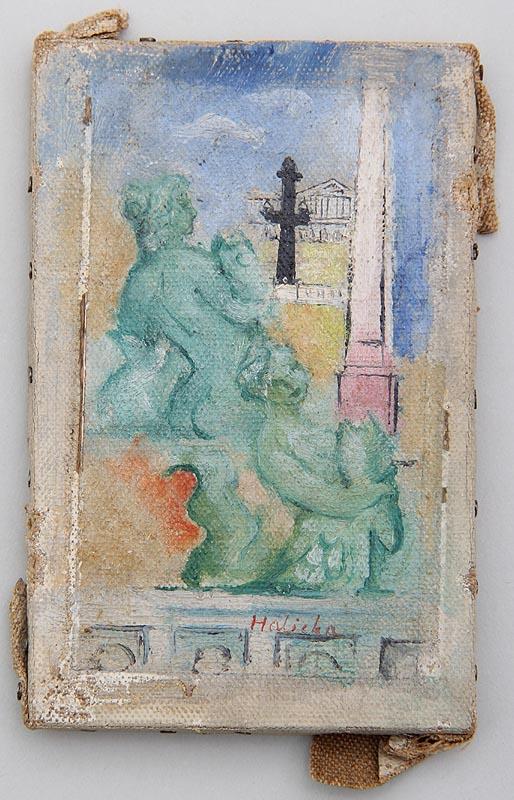
Słabiutka miniaturka jakąkupił ktoś kto nie widział dobrych obrazów tej autorki.

=========================

Lot 3492525. ALICE HALICKA (1895-1975), ”Place de Concorde”, miniature oil on canvas, signed lower right. Image 3-3/4”h, 2”w. Estimate 200-400. Sold $275.

iGavel. 07/10/14.

=========================

Kuriozalne są uwagi oburzonej rodziny malarki. Prosze poczytać w komentarzach.

Eugeniusz (Eugene) Zak (1884 – 1926)

Trzy niesygnowane akwarele Eugeniusza Zaka na aukcji w Bonhams. Autentyczność wszyskich jest potwierdzona, tylko na postawie fotografii, przez prof. Barbare Brus-Malinowską. Proweniencja pierwszych dwóch jest podana natomiast trzecia z prac, odbiegająca stylem, jest opisana w katalogu bez proweniencji.

==========================

Lot 37. Eugène Zak (Polish, 1884-1926). Maison sur la colline, gouache on cardboard, 25.5 x 30.3cm (10 1/16 x 11 15/16in). The authenticity of this work has kindly been confirmed by Madame Barbara Brus-Malinowska on the basis of a photograph. Provenance: Private collection, Milan (acquired directly from the artist circa 1915-1916). Estimate £3,000 – 5,000 (US$ 5,000 – 8,400).

==========================

Lot 38. Eugène Zak (Polish, 1884-1926), Maison addossée sur l’escalier, oil on paper laid down on cardboard, 26.2 x 30.2cm (10 5/16 x 11 7/8in). The authenticity of this work has kindly been confirmed by Madame Barbara Brus-Malinowska on the basis of a photograph. Provenance: Private collection, Milan (acquired directly from the artist circa 1915-1916). Estimate £2,000 – 3,000 (US$ 3,300 – 5,000).

Lot 40. Eugène Zak (Polish, 1884-1926) La cantatrice, signed ‘Eug.Zak’ (upper right), gouache and pencil on paper laid down on cardboard; 31 x 23.5cm (12 3/16 x 9 1/4in). The authenticity of this work has kindly been confirmed by Madame Barbara Brus-Malinowska on the basis of a photograph. Estimate £2,000 – 3,000 (US$ 3,300 – 5,000).

Bonhams. 23 Jun 2014.

Jacques Zucker (Jakub Cukier) (1900 – 1981)

Łatwo rozpoznawalny styl tego malarza. Nawet jeśli sygnatura, jak w tym przypadku, jest mało czytelna wątpliwości raczej nie ma. Ciekawa kompozycja z bukietem kwiatów w wazonie na stoliku na pierwszym planie oraz wnętrzem pokoju z osobą we wnęce. Słowem, martwa natura i widok wnętrza na jednym płótnie choć materiału starczyłoby na dwie kompozycje.

================================

Lot 23. Life with Figure. Oil on canvas. Jacques Zucker, Polish/American, 1900 – 1981. Signed lower right. From a Pennsylvania, NY estate. Dimensions: 13.75″ high x 10.75″ wide. Condition: Good, some light surface dust and grime. Starting bid $400.

Clarke Auctions. 4/27/14.

Czesław Zawadziński (1878 – 1936)

Portret młodej kobiety w berecie i z czarnym kotem pędzla Czesława Zawadzińskiego z aukcji we Francji. Inne prace tego artysty można wyszukać w katalogach głównie polskich domów aukcyjnych. Kiepsko się sprzedają a artysta pozostaje mało znany w kraju. Zawadziński wystawiał za życia i w Polsce i we Francji a zachowana fotografia z jednej wz wystaw francuskich podazuje kilka jego prac. Również poniżej fotograia samego artysty.

=====================================

Czeslaw ZAWADZINSKI (Varsovie 1878-1936). Jeune Polonaise au chat. Huile sur toile, signée en haut à droite; 73 x 50 cm. Estimate : 1 200 € / 1 500 €.

Boisgirard. April 9, 2014.

=====================================

Wystawa prac Zawadzińskiego w Paryżu w 1926 roku

Czesław Zawadziński

Mela Muter (Melania Mutermilch) ? (1876 – 1967)

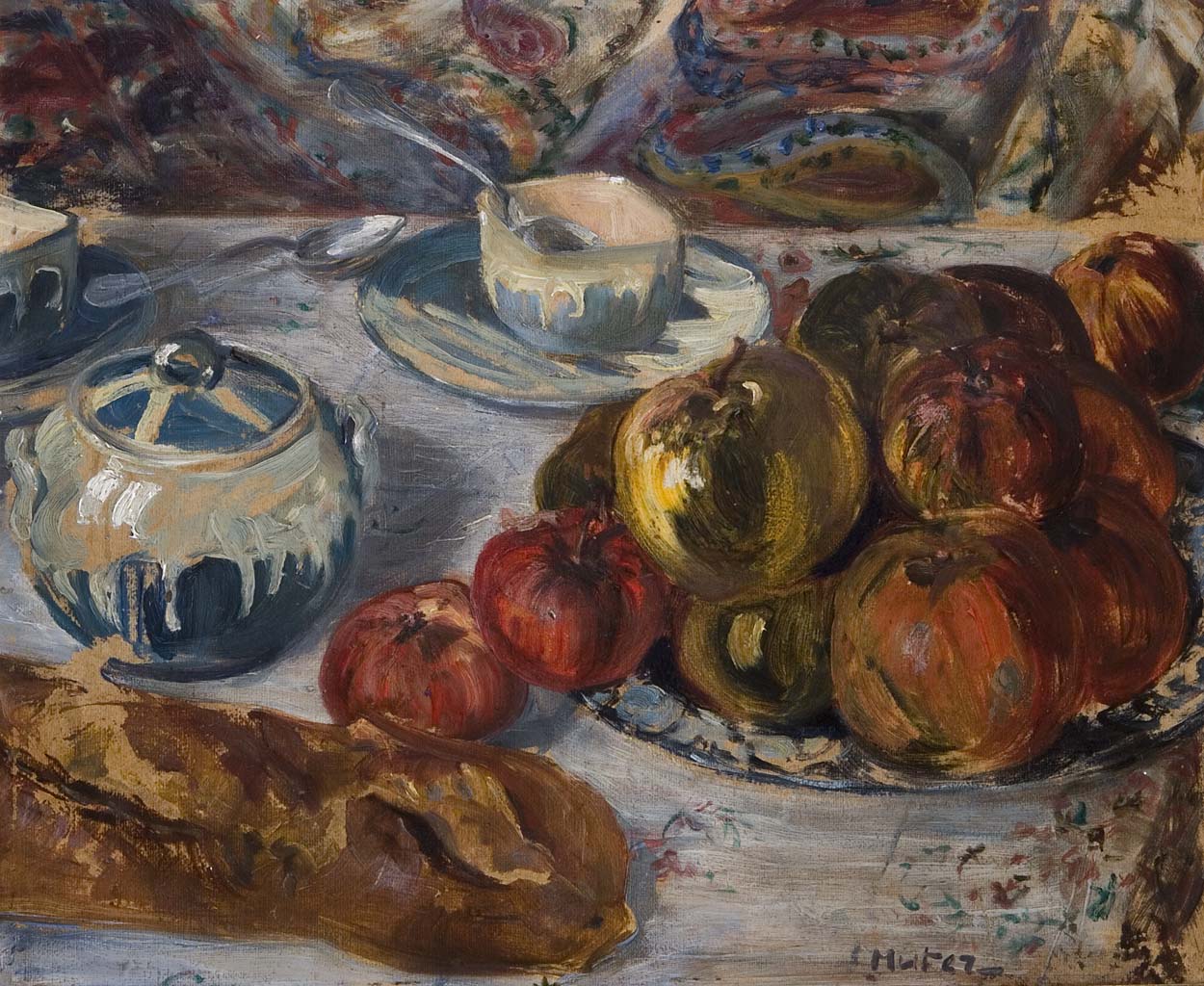
Mela Muter. Brotzeit-Stilleben”

Kwietniowy katalog Bermanna przynosi jeden obraz jaki zwrócił moją uwagę. Jest nim martwa natura z owocami, bułką, filiżanką, cukiernicą, etc sygnowana Muter. Melania Muter żyła w dużej biedzie a teraz jej prace osiągaja w Polsce ceny powyżej 100, 000 złotych. Nie mam przekonania, że ta martwa natura jest pracą Muter. Mogę się oczywiście mylić. Proweniencja mówiąca, że obraz pochodzi ‘z domu z Berlinie’ nie dodaje żadej wartości. W sumie trzeba dobrze znać twórczość malarki by powiedzieć. że może jest to ‘nietypowa’ praca malarki. Rynek pokaże.


Lot 618. Muter, Mela. 1876 Warschau – 1967 Paris. “Brotzeit-Stilleben“. Öl auf Karton, signiert, 46×56 cm (18×22 in), vergoldeter. Stuckrahmen. Limit 3.800,00 €. Bergmann. 05.04.2014.

Rajmund Kanelba (Kanelbaum) (1897 – 1960)

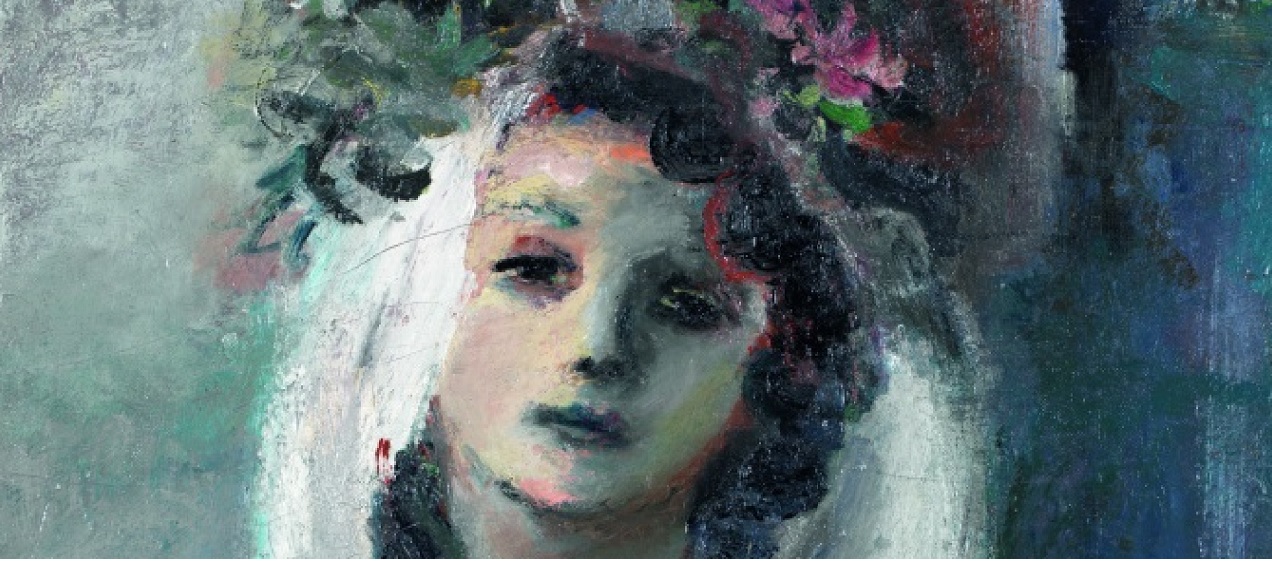
Bardzo liryczny portret narzeczonej (Hanki) wyróżnia się wśród czterech prac Kanelby wystawonych na marcowej aukcji we Francji. Dziewczyna została namalowana z dużym uczuciem i ufnie patrzy w naszym kierunku a biała woalka i kilka kwiatów wpietych we włosy dodają jej uroku niewinności i kobiecości. Jest piękną dziewczyną z prawdopodobnie piekną duszą. Jest to jeden z najlepszych portretów namalowanych przez Kanelbę jaki widziałem.

==========================

Lot 70. Raymond Kanelba (1897-1960). La fiancée (Hanka), 1933
Huile sur toile. Signée en haut à droite. Oil on canvas. Signed upper right. 71,5 x 60,5 cm – 28 1/8 x 23 7/8 in. Estimate : 5 000 / 3 000 €.

=================================

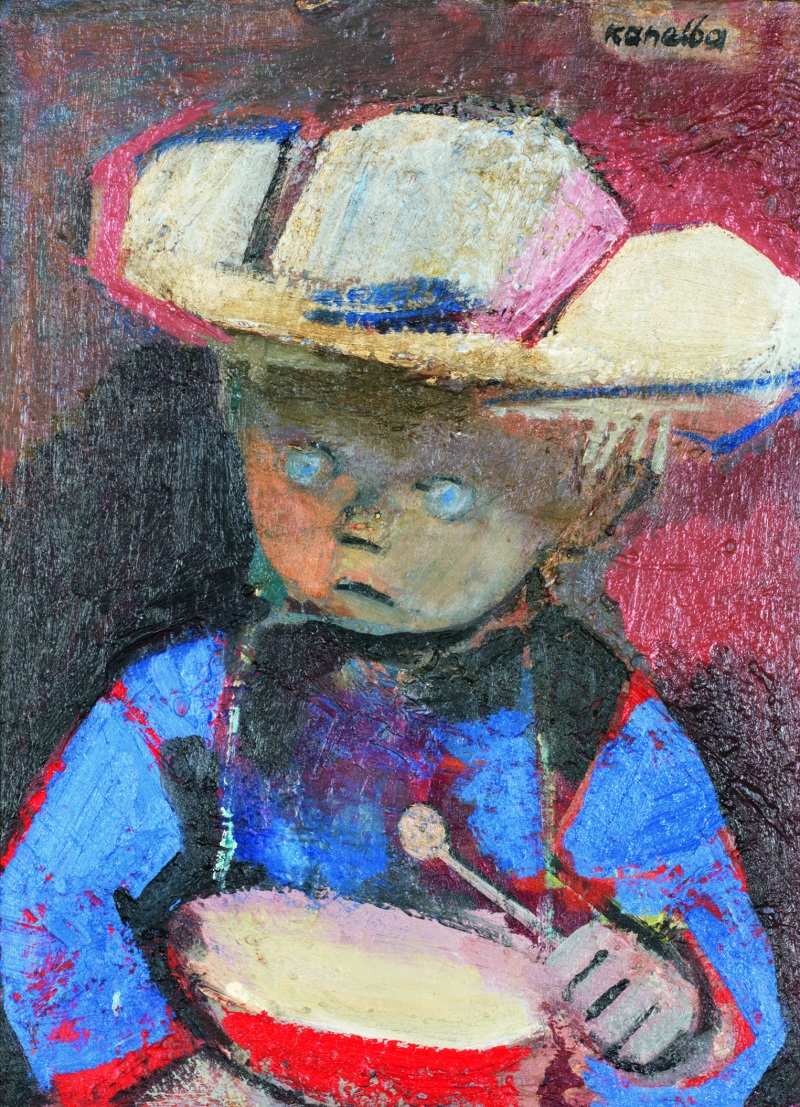
Pozostałe prace to dwa portrety dzieci i portret mężczyzny.  Chlopiec grający na fujarce jest również bardzo dobrze namalowany natomisat drugi z chłopców, w kapeluszu z bębenkiem, potraktowany został moim zdaniem zbyt szkicowo i płasko. Portrety dzieci z instrumentami muzycznymi były wielokrotnie powtarzane przez Kanelbę. Jest ich dużo na rynku i ewentualnie trzeba wybierać te najlepsze. Mogły się jednak opatrzeć swoją mnogością i nie należy spodziewać się wysokiego prestiżu kolekjonerskiego z ich posiadania. W Polsce takie prace będą oczywiście bardzo reklamowane przez domy aukcyjne bez względu na podaż.

Portret mężczyzny powinien pozostać w rodzinie dla której został namalowany bo pożytek dla osoby z nim nie spokrewnionej będzie żaden.

====================================

Lot 71. Raymond Kanelba (1897-1960). Le petit flûtiste
Huile sur toile. Signée en haut à droite. Oil on canvas. Signed upper right. 68,5 x 55 cm – 27 x 21 5/8 in. Estimate : 3 000 / 2 000 €

Lot 72. Le petit garçon au tambourin
Huile sur carton. Signée en haut à droite. Oil on cardboard. Signed upper right. 41 x 30,5 cm – 16 1/8 x 12 in. 2 000 / 1 500 €.

Lot 69. Raymond Kanelba (1897-1960). Portrait de Berthold Viertel
Huile sur toile. Oil on canvas. 92 x 71,5 cm – 36 1/4 x 28 1/8 in. Estimate : 5 000 / 3 000 €.

Eugeniusz (Eugene) Zak (1884 – 1926)

Eugeniusz Zak. Portrait d’homme

Rysunek Eugeniusza Zakana aukcji Christie’s w Paryżu. Każda nowa praca Zaka na rynku jest wydarzeniem ale €10,000 (ok. $14,000) to może zbyt wysoka wycena. Dla porównania, poniżej kilka innych podobnych prac tego autora jakie pojawiły się na aukcjach w ostatnich 2-3 latach.


Lot 91. Eugene Zak (1884-1926). Portrait d’homme (recto); Chanteur (verso),signé ‘Eug. Zak.’ (en bas à droite), fusain et sanguine sur papier 27.4 x 22 cm. (10 7/8 x 8¾ in.). Estimate €7,000 – €10,000. Christi’es. 26 March 2014. Paris

Literature. B. Brus-Malinowska, Eugeniusz Zak 1884-1926, Varsovie, 2004, p. 192, no. 77 (recto; illustré en couleurs) et p. 188, no. 57 (verso).


Eugeniusz Zak (1884 – 1926)

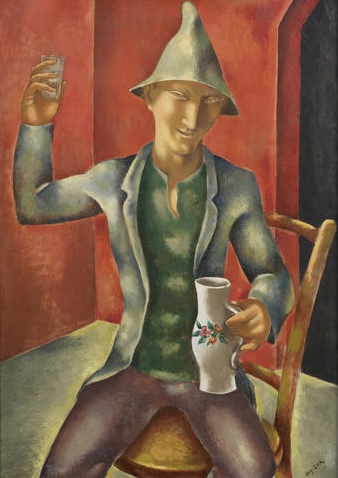
Eugeniusz Zak. Le buveur

Bonhams prezentuje na swojej lutowej aukcji duży olej Eugeniusza Zaka. Praca ta ma ‘ironclad’ proweniencję, choć i bez niej obroniłaby się bez problemu.

Wycena: £30,000 – 50,000.

Nie bardzo wierzę by pracę tę można będzię kupić w tych widełkach wyceny. Moim zdaniem, będzie kosztowała ok 100,000 funtów.

[Sold for £90,100 (US$ 146,626) inc. premium]


Lot 21. Eugene Zak (Polish, 1884-1926). Le buveur, signed ‘Eug. Zak’ (lower right), oil on canvas, 91.5 x 85.4cm (36 x 33 5/8in). Painted in 1924. Bonhams 2 luty 2014. PROVENANCE
Dr. Herbert Tannenbaum, Amsterdam. Acquired from the above by the parents of the present owner, circa 1940s. By descent to the present owner. EXHIBITED: Paris, Salon des Tuileries, Le grand succès des artistes Polonnais, 1924, no. 94.LITERATURE: ‘Salon des Tuileries, Das pariser gegenstuck zu grosser berliner Kunstausstellung’, Bilder Courier, 1924, no. 94 (illustrated p. 3). Nouvelles, 1924, no. 29 VI. M. Kasterska, ‘Wystawy Paryskie, Salon w Tuileries i Wystawa polska’, Swiat, 1924, no. 32 (illustrated p. 4). H. Martinie, ‘Auslandescher Maler in Paris’, Der Cicerone, 1924, vol. 16 (illustrated p. 1123). R. Rey, ‘Salon des Tuileries’, Le Crapouillot, 1924, no. 1 VII (illustrated p. 24). M. Osborn, ‘Maler Eugen Zak’, Deutsche Kunst und Dekoration, 1924-1925, vol. 55 (illustrated p. 330). ‘Salon des Tuileries, w Paryzu. Wielki sukces artystow polskich’, Ilustracja, 1925, no. 1 (illustrated p. 5). ‘Z tworczosci swiezo zmarlego artysty Eugeniusza Zaka’, Kurier Poranny, 1926, no. z (illustrated p. 31). Sztuki Piekne, 1933, vol. 9 (illustrated p. 284).
B. Brus-Malinowska, Eugeniusz Zak 1884-1926, Warsaw, 2004, no. 239 (illustrated p. 169). Executed in 1924 just two years before the sudden death of the artist, Le buveur is a compelling example from Eugene Zak’s mature oeuvre. In the years following the end of the First World War, Zak’s painting developed a more nostalgic and melancholic tone. From 1917 Zak began to move from his earlier repertoire of idyllic and Arcadian scenes populated by shepherds and fishermen, towards a preoccupation with representing ‘outsider’ figures in claustrophobic interiors or flat, empty space.Returning to settle in Paris from Poland in 1923, Zak drew upon the sombre themes and subjects of Picasso’s Blue and Rose period, as well as the general melancholic sentiment which pervaded the work of many European artists in the decades following the Great War. Zak’s protagonists were the actors, musicians, drunkards and vagabonds who usually inhabited the fringes of society, and his portraits of these figures sought to foreground their plight and isolation.Clutching a wine jug of traditional Polish porcelain and raising his hand in a toast, the expression of the subject in Le buveur belies the joyful the intent of the gesture. This solitary drinker assumes a doleful air, a wry smile coupled with vacant eyes which convey the glazed look of an intoxicated man lost in a fantasy world. In accordance with other compositions from this period Zak directs all the viewer’s attention to that of his usually marginalised protagonist, setting him in what appears to be an empty stage rather than a twentieth century saloon so as to further heighten the sense of alienation and escapism.

Following on from prior representations of the wistful solitary drinker by Edouard Manet, Edgar Degas and Pablo Picasso, Zak reconfigures this visual trope through his own uniquely authentic means. Utilising techniques derived from a prior engagement with the Nabis and Primitivism, Zak stylises and elongates his figure as well as deliberately flattening the picture space using fields of un-modulated colour. At the same time however, Zak retains a sensitive appreciation of light and shade in an effect akin to renaissance chiaroscuro to produce a sense of depth and modelling. These opposing visual devices result in an aesthetically unsettling and yet immediately recognisable composition. As Irena Kossowska, a critic of the artist’s work notes, ‘Zak considered himself an opponent of the avant-garde, though his painting seemed to absorb many of the experiments of [its] innovators which he adapted according to principles of his own creative stance.’ (http://culture.pl/en/artist/eugeniusz-eugene-zak, accessed 19 December 2013).


Dla porównania, rok temu inna praca Zaka zostala sprzedana  w Bonhams, również na aukcji impresjonizmu, za cenę £109,250: