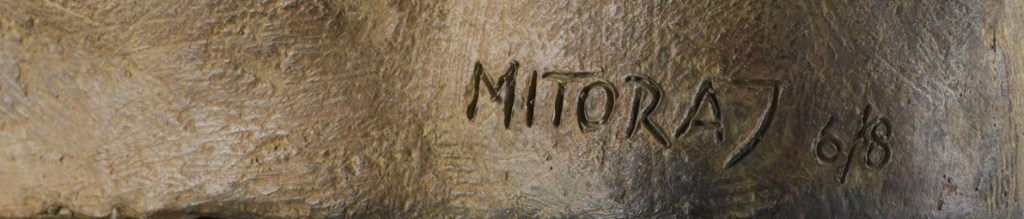
Lot 34. Igor Mitoraj (Oederan 1944 – Parigi 2014). Cacciatori grezzi, 1998 bronze, terracotta patina 44x39x15.5 cm. Signed and numbered 6/8. Provenance: Private collection, Bologna. This work is accompanied by a photo-certificate of authenticity signed by the artist. Estimate €25,000 – 35,000. Il ponte. 11/25/25. Sold €60,000
Osiem egzemplarzy rzeźby Igora Mitoraja to właściwa liczba. Takich prac niskonakładowych tego artysty trzeba szukać i takie moim zdaniem należy kolekcjonować.
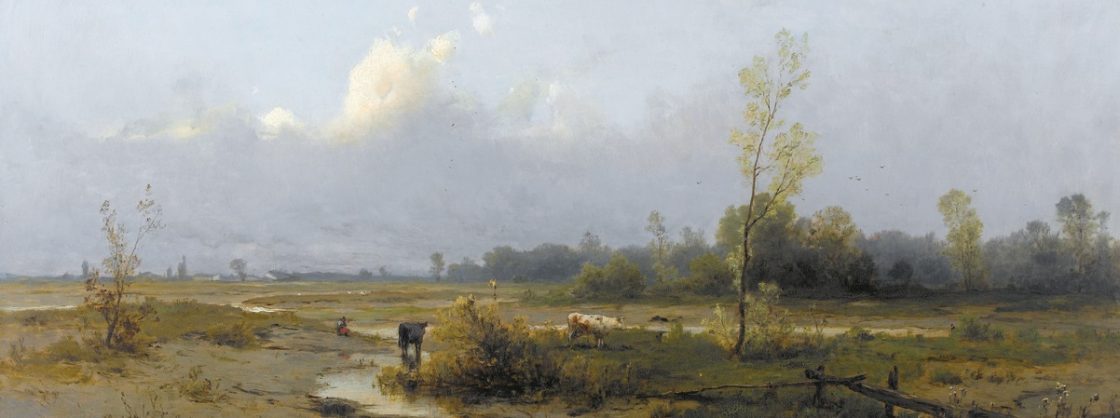
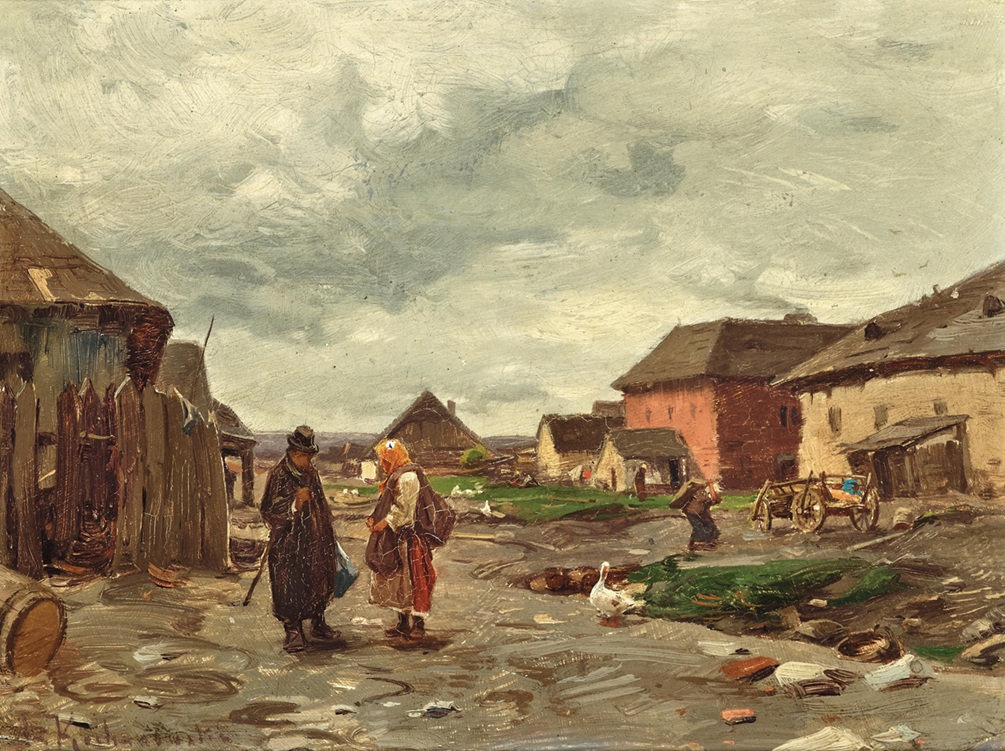
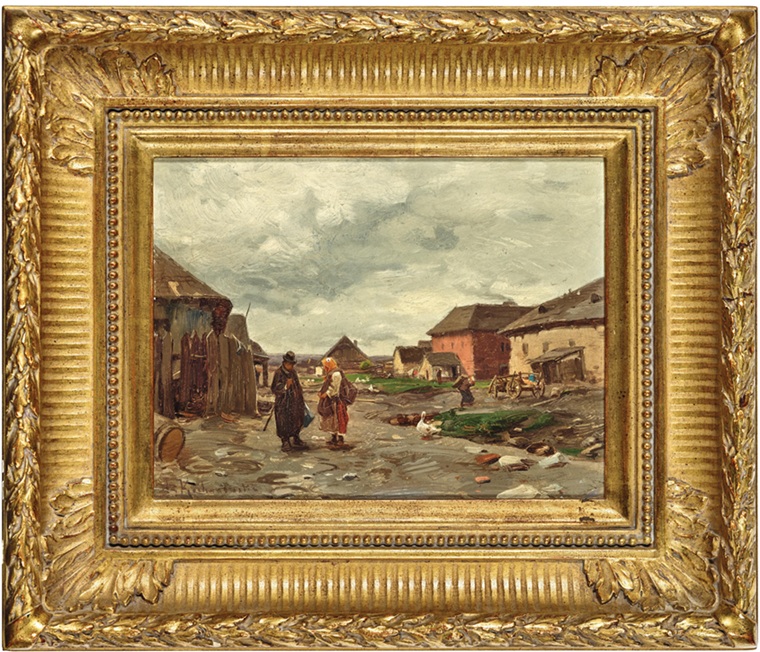
Lot 123. Romana Kochanowskie (Krakow 1857-1945 Freising). A village idyll, signed R. Kochanowski, oil on board, 18 x 23.5 cm, framed, (Rei). Estimate €2,000 – 2,800. Dorotheum. 12/04/25. Sold €3,600
Warto przyjrzeć się tej pracy Romana Kochanowskiego z nadchodzącej aukcji w Dorotheum. Dom aukcyjny zamieścił wysokiej rozdzielczości fotografie na których widać spokojny dukt pędzla bez śladu nerwowości, niepewności. Daleko tej scenie do ‘wiejskiej idylii’, jak sugeruje tytuł. Nie jest pełna radości scena wiejska lecz raczej zarejestrowany zwyky dzień związany ze wsią, prawdopodobnie bawarską. Obraz dopełnia niezła rama. Roman Kochanowski namalował w swoim życiu wiele obrazów a ich kolekcjonowanie wiąże się naturalnie ze sporą selekcją. Koniecznie jednak muszą być to, jak ta, prace prawdziwe.
Lot 394. Jan LEBENSTEIN (1930-1999). Voyeur. 1976. Mixed media on paper. Dimensions: 48 x 64 cm. Estimate €1,000 – 1,200. MJV Soudant. 11/23/25
Cztery atrakcyjne prace Jana Lebensteina na rynku włoskim i francuskim. Voyeur chyba będzie dominował nad pozostałymi pomino bardzo niskiej i nierealnej wyceny.
Jan Lebenstein. Reste des scrupeles, 1969
Lot 78. LEBENSTEIN JAN Brest (Belarus) 1930 – 1999 Krakow (Poland). “Reste des scrupeles“, 1969, 70×60, tempera. Estimate €7,500 – 10,000. Sant Agostino. 11/26/25
Jan Lebenstein. L’Adoration, 1969
Lot 77. LEBENSTEIN JAN Brest (Belarus) 1930 – 1999 Krakow (Poland). “L’Adoration“, 1969, tempera cited n. 11 in ian Lebenstain gallery the Faun. Estimate €7,500 – 10,000. Sant Agostino. 11/26/25
Jan Lebenstein.Strasbourg St. Denis, 1970
Lot 79. LEBENSTEIN JAN Brest (Belarus) 1930 – 1999 Krakow (Poland). “Strasbourg St. Denis“, 1970; 60×75, tempera on paper. Work signed and dated lower right Formerly Galleria Il Fauno, Turin (label on the back on paper enclosing the work) .Title inscribed on cardboard backing. Small defects. Estimate €7,200 – 9.600. Sant Agostino. 11/26/25
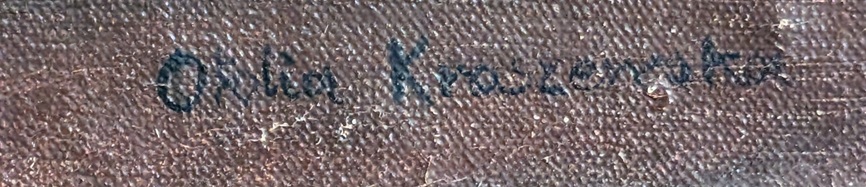
Otolia Kraszewska. Blumenstrauß in einer Porzellanvase
Lot 39. Otolia Kraszewska (1859 Schytomyr – München 1945) – Blumenstrauß in einer Porzellanvase. Öl auf Leinwand. 66,4 x 51,2 cm. Signiert unten rechts. Gerahmt. Provenienz: Seit Generationen in Familienbesitz, Rheinland-Pfalz. Estimate €4,000 – 5,000. Karl und Faber. 11/14/25. Sold €4,400
Martwa natura Otolii Kraszewskiej ze znakomitym światłem padającym na bukiet kwatów umieszczonych w dekoracyjnym wazonie stojącym na talerzu. Piękna praca uczennicy Ajwazowskiego. Rynek bardzo umiarkowanie ocenił ten sentymentalny olej mogący stanowić dekorację tradycyjnego salonu.
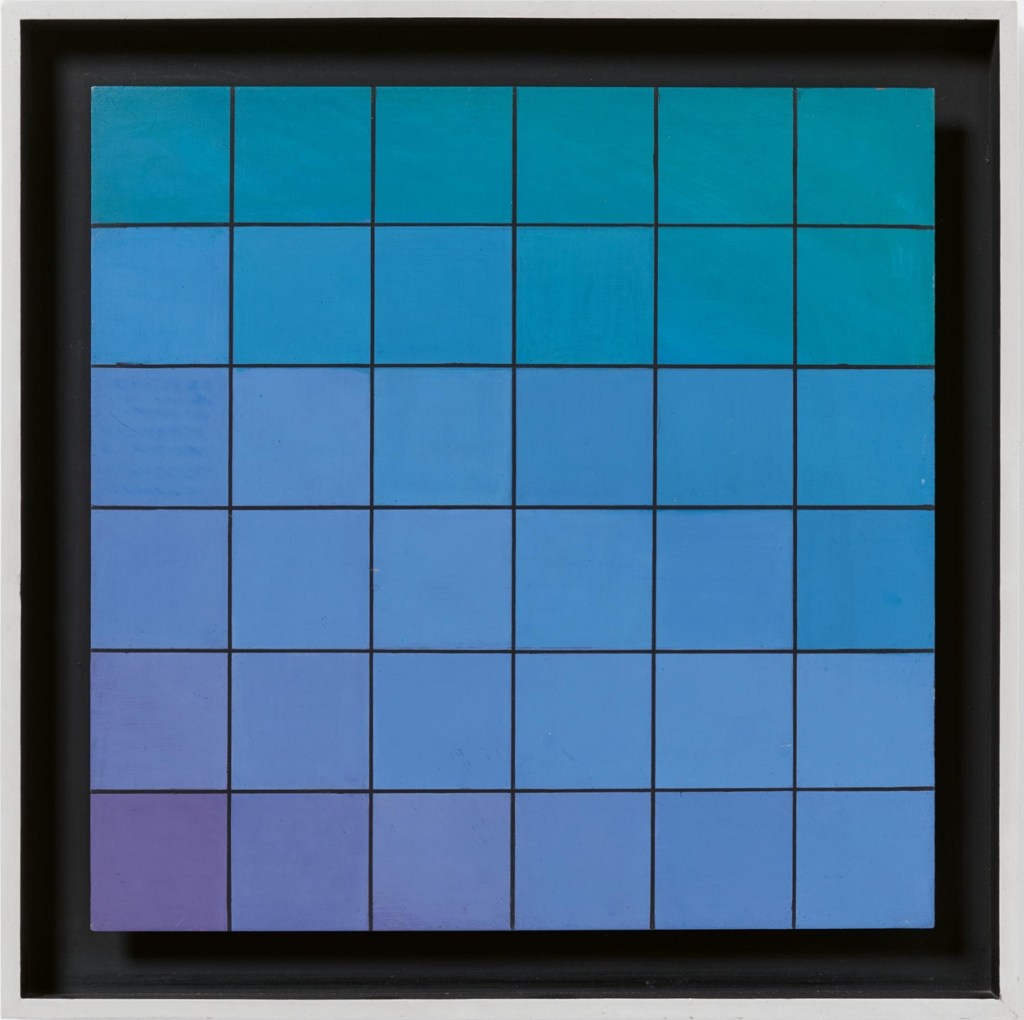
Lot 579. STAZEWSKI, HENRYK Warschau 1894 – 1988. “29-68“. 1968. Acryl auf Hartfaserplatte in Künstlerrahmen. 50 x 50cm. Signiert auf Rahmenrückwand: H. Stazewski. Hier zudem betitelt: 29-68. Daneben unleserlicher Stempel. Künstlerrahmen. Provenienz: – Auktionshaus DESA, Warschau (Aufkleber); – Galerie m, Bochum (lt. Einlieferer); – Privatsammlung Nordrhein-Westfalen (von Vorheriger erworben). Estimate €30,000 – 50,000. Van Ham. 12/04/25. Sold €55,000
Op-art Henryka Stażewskiego z mocną proweniencją w niemieckim Van Ham.
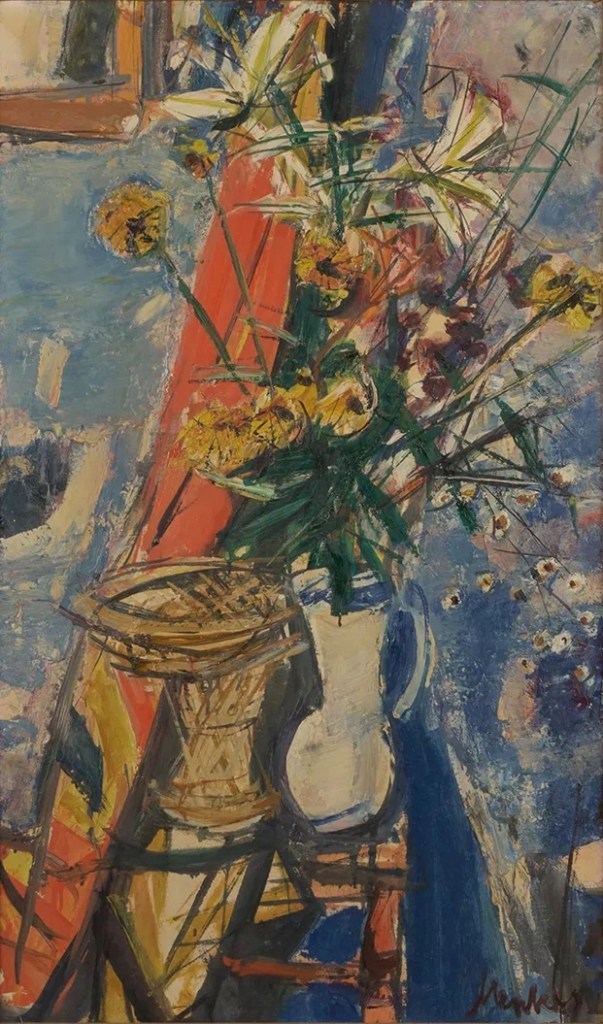
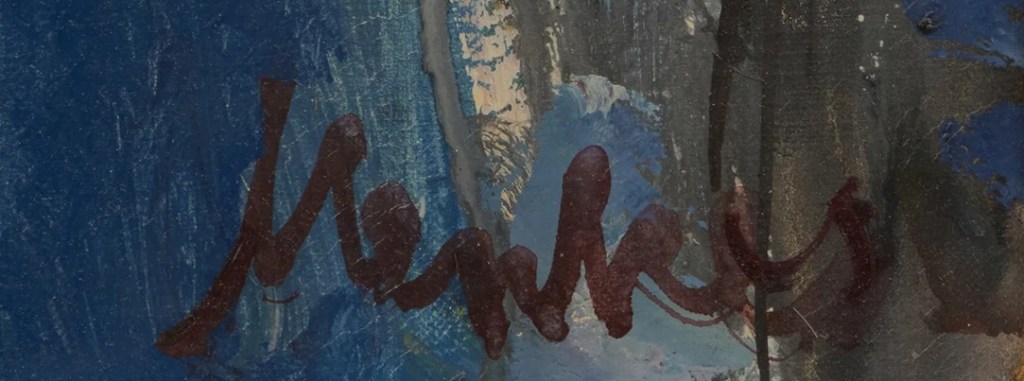
Lot 452. Sigmund Menkes (1896-1986): Flower Bouquet. Oil on canvas, signed ‘Menkes’ lower right, with label from Rudolph Galleries, Woodstock, NY. 32 x 19 in., 41 x 27 1/2 in. (frame). Estimate $2,000 – 4,000. Stair. 11/20/25. Sold $9,000
Sądzę, że tę martwą naturę Zygmunt Menkes namalował około lat 60-tych. Licytacja od $1,000 może przywabić klientów.
Lot 28. Zdzislaw SALABURSKI (1922 – 2006). Ohne Titel. 1978. Circa 79,5 cm x 115 cm. Circa 98,5 cm x 134,5 cm mit Rahmen. Gemälde. Öl / Mischtechnik auf Leinwand. Abstrakte, reliefartige Komposition. Unten links signiert und datiert “(19)78”. Rückseitig signiert, ortsbezeichnet “Warszawa” und datiert “19782. Rahmen berieben und bestoßen. Zustand siehe Fotos.- Kein Versand durch das Auktionshaus möglich. Opening €300. Auktionshaus Schreiber. 11/29/25. Sold €1,200
Jako artysta malarz byl bardzo konsekwentym taszystą choć w jego malarstwie widzę więcej przemyślenia niż spontaniczności. Głównym zawodem Zdzisława Salaburskiego było aktorstwo i prawdopodobnie nie studiował on na żadnej akademii sztuki. Być może dlatego jego obrazy nie są ‘poważane’ i promowane na rynku polskim. Zainteresowanie jego sztuką jest jednak widoczne wśród polskich kolekcjonerów a ceny kształtują sie pomiędzy 10,000 PLN a 20,000 PLN. Dlatego oferty zachodnie wyglądają dość atrakcyjnie.
Lot 500. Fangor Wojciech Warsaw 1922 – 2015. E 31“, 1966. Oil on canvas, 71 x 71cm. Signed, titled and dated verso upper right: FANGOR E31 1966. For this work an expertise by Katarzyna Jankowska-Cieslik, Poland, is available. The work is listed at the artist’s official website under number P517. (www.catalogue.fangorfoundation.org). Provenance: – Grabowski Gallery, London, – Galerie Thomas, Munich. Exhibitions: – Grabowski Gallery, London 1966. Literature: – Exhib. cat. Wojciech Fangor, Grabowski Gallery, London 1966. Estimate €60,000 – 80,000. Van Ham. 12/04/25. Sold €125,000
Na nadchodzącej aukcji w niemieckim Van Ham znalazł się olej E 31 Wojciecha Fangora z 1966 roku. Praca ta charakteryzuje się znakomitą proweniencją a także obecnością w katalogu raissone https://fangorfoundation.org/catalogue-raisonne/.
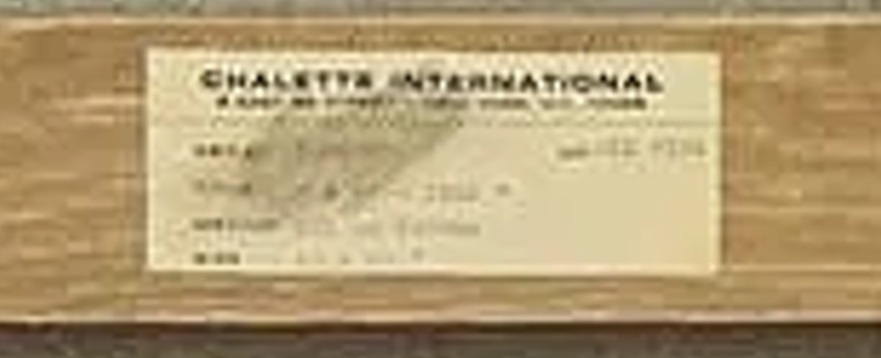
Na nadchodzącej aukcji w bliżej nieznanym mi domu aukcyjnym w New Jersey, USA znalazł się olej E 47, również z 1966 roku (rzekomo) Wojciecha Fangora. Praca ta nie posiada żadnej proweniencji, jest wyceniona wysoko choć cena wyjściowa została ustalona bardzo atrakcyjnie na przecietną kieszeń, zaledwie na $1,000. Aż dwie nalepki (rzekomo) galerii Chalette International zostały z tyłu naklejone. Ktoś włożył wiele wysiłku i nieudolnie namalował tę pracę – warto zauważyć jej reklamę w katalogu aukcyjnym (długa epistoła poniżej). Obrazu tego oczywiście nie ma w archiwum Galerii Chalette, dostępnym on-line. Pisanie o tej pracy byłoby zbędne, gdyby nie okazało się, że podobne ‘Fangory’ są sprzedawane w USA np. w śmiejącej się w twarz Antique Arena z Brooklynu za $13,000 (https://antiquearena.com/lot/37476?auction_item_id=72).
Wojciech Fangor ? E 47,
Lot 34. WOJCIECH FANGOR (1922-2015), OIL ON CANVAS. Signed (verso). Image dimensions: 102 x 102 cm (40 x 40 in). Estimate $40,000 – 50,000. Opening $1,000. Oldstone Ventures. 11/17/25
Wojciech Fangor was a leading figure in the Polish avant-garde and one of the few Eastern European artists to achieve significant international recognition during the Cold War era. Trained at the Academy of Fine Arts in Warsaw, Fangor’s early work reflected socialist realism, but by the 1950s he had turned toward abstraction, developing a signature visual language centered on spatial illusions and chromatic vibrations. His relocation to the United States in the 1960s further aligned him with global currents of Op Art and Color Field painting, culminating in his inclusion in the landmark exhibition “The Responsive Eye” at the Museum of Modern Art in 1965.
“E47,” created in 1966, exemplifies Fangor’s mature period, in which color, form, and perceptual depth converge into a mesmerizing whole. The composition centers on a pulsating square of luminous green, encircled by progressively darker rings of violet and crimson that softly diffuse into the surrounding red field. The transitions between colors are seamless yet vibrant, generating a dynamic optical vibration that seems to radiate beyond the canvas. Rather than delineating geometric forms with hard edges, Fangor creates gentle transitions that evoke the sense of an energy field, thus heightening the viewer’s spatial and emotional response.
This work resonates strongly with Fangor’s theory of “positive space,” where color becomes an autonomous force that shapes perceptual experience. The subtle modulation and interplay of hues create a sensation of movement, depth, and atmosphere-hallmarks of Fangor’s contribution to visual perception theory in painting. The piece’s vibrant central core draws the viewer inward, while the outer rings seem to expand infinitely outward, establishing an active dialogue between interior focus and spatial dissipation.
Paintings from this pivotal era in Fangor’s career have been acquired by institutions such as the Solomon R. Guggenheim Museum and the Centre Pompidou. In recent years, his market performance has seen a notable resurgence, with works from the 1960s commanding strong results at international auctions. Notably, paintings from the “E” series-such as “E22,” “E36,” and “E64”-have achieved six-figure prices in both European and American salesrooms, reflecting growing collector interest in Op Art and Cold War-era abstraction.
Visually minimal yet psychologically immersive, “E47” holds a unique place within postwar abstraction. Its vibrant concentric field makes it adaptable to both minimalist and modern architectural interiors, offering a profound visual anchor. As both a meditative object and an emblem of perceptual experimentation, it represents a compelling intersection of aesthetics and science.
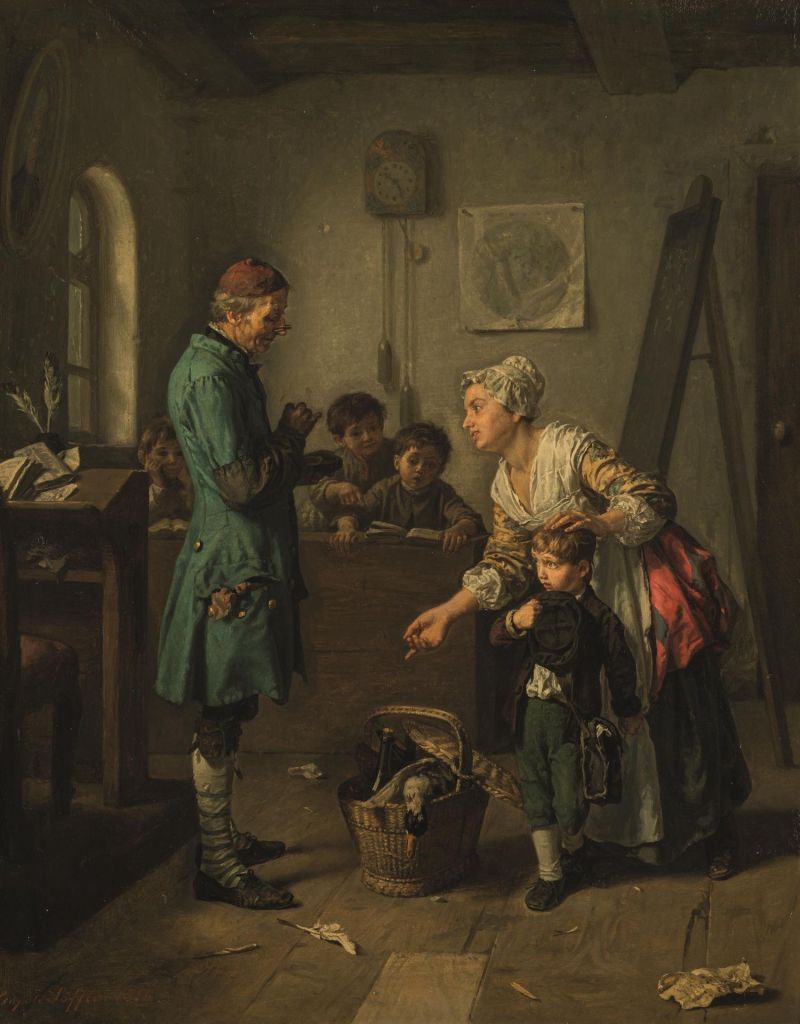
Leopold Loeffler (Löffler). First Day of School, 1856
Lot 1079. Leopold Löffler-Radymno: First Day of School. Leopold Löffler-Radymno First Day of School 1856 oil on canvas; framed 58,5 x 46 cm Signed and dated on the lower left: Leopold Löffler 1856 Dorotheum Vienna, 22.9.1970, no. 68, plate 54 (b./w.-illus.); Austrian private property since the 1970s. Estimate €1,500 – 3,000. ImKinsky. 12/02/25. Sold €3,200
To już chyba trzecia replika autorska Pierwszego dnia w szkole Leopolda Loefflera zarejestrowana na PAC, https://polishartcorner.com/2023/01/04/leopold-loeffler-loffler-1827-1898-5/, https://polishartcorner.com/2019/05/31/leopold-loeffler-1827-1898/. Każda z nich różni się drobnymi szczegółami. Inna jest też replika opublikowana w Tygodniku Ilustrowanycm. Patrząć na datowanie, wersja z im Kinsky wygląda na najstarszą aczkolwiek nigdy nie wiadomo kiedy i gdzie wypłynie kolejna replika. Zaletą pracy obecnie sprzedawanej jest gustownie dobrana dekoracyjna rama, jednak obecność innych replik studzi nieco entuzjazm. Ta scenka rodzajowa byłaby znakomitą ilustracją do współczenej autorowi książki. Humor w niej zawarty nieco teraz zestarzał się bo szkoły, rodzice i uczniowie mają obecnie zupełnie inne problemy.
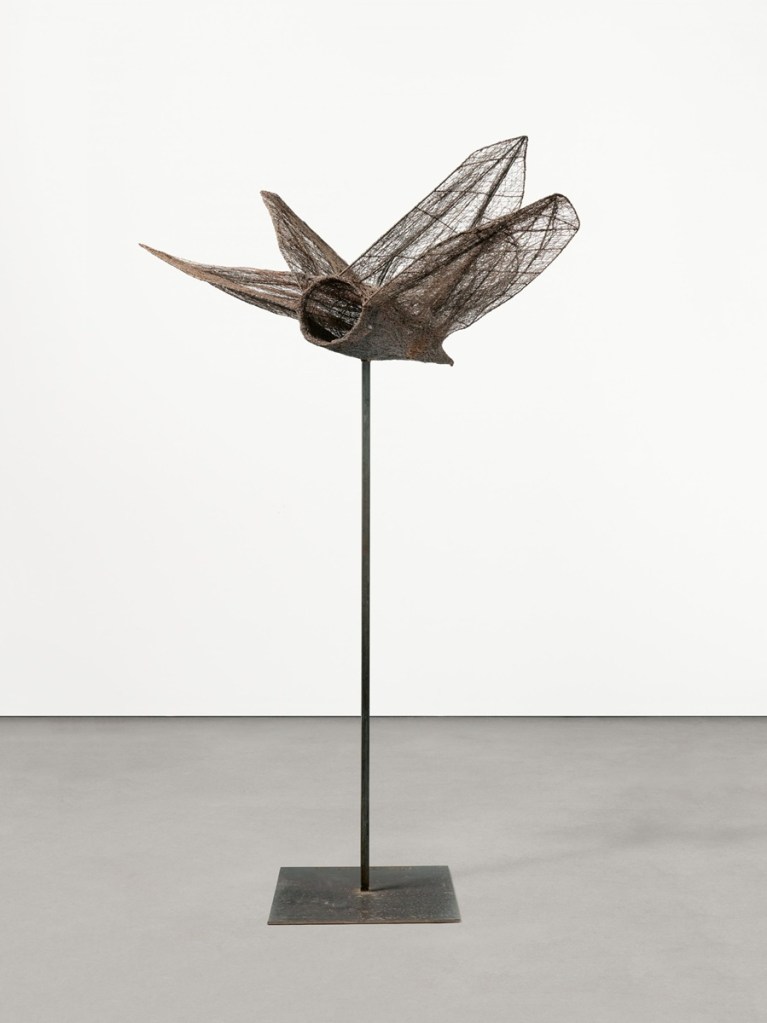
Lot 47. Abakanowicz Magdalena 1930 Falenty/Poland – 2017 Warsaw.”Ptak-Da” (Vogel), 1997. Iron and wire. 275 x 210 x 120cm. Titled, dated and with artist’s signet front on the plinth: PTAK-DA 1997 AM (ligated). Provenance: – West German Art Fair Cologne; – Private collection North Rhine-Westphalia (acquired from the previous owner in 2002). Estimate €70,000 – 100,000. Van Ham. 12/03/25. Sold €75,000
Monumentalny wymiarami Ptak-DA Magdaleny Abakanowicz na aukcji w niemieckiem Van Ham. Bardzo dobry tekst uzupełniający domu aukcyjnego.
The work ‘Ptak-Da’ (Bird), created in 1997, belongs to a phase of her work in which she increasingly uses metal and other hard materials. Iron and wire replace the mesh, but the structure of the weave is retained. With its dimensions of 275 x 210 x 120cm, the work automatically assumes a monumental presence in the room. The bird rises into the room, not as a lifelike representation, but as an abstract suggestion of a winged creature. A gesture of resistance also resonates in this exaggeration: Abakanowicz uses size, scale and material as a means of protest against limitation and standardisation. The wire and iron construction lends the work an open, breathing structure. The viewer’s gaze penetrates and becomes entangled in the lines, which overlap and intertwine. The wire is reminiscent of the hatching of a drawing, of the process of designing and searching, as if the artist had translated the fleeting moment of a sketch into space and metal. This creates a paradoxical tension: the heaviness of the material meets the lightness of movement.
The four wings reinforce the impression of the extraordinary, the unreal. They turn the bird into an ambiguous, almost mystical creature. The motif of the headless, which runs through her entire figurative work, appears here in a particularly haunting form. The headlessness denies identity and individuality, opens the view to something general. It deprives the animal of unambiguity, making it a symbol of life, of movement, of the constant attempt to rise up. Ptak-Da” shows the consistent development of a motif that has accompanied Abakanowicz for decades. Probably the best-known realisation of the bird is located on Kilbourn Avenue in Milwaukee, Wisconsin, USA. In ‘Birds of Knowledge of Good and Evil’ from 2001, six headless aluminium birds soar into the sky on poles four to six metres high, making a decisive contribution to the cityscape. (Fig. 1) Three decapitated birds also watch over the city on the banks of the Oder in Warsaw. Due to its positioning in public space, the headless bird has become one of Abakanowicz’s best-known motifs. For Abakanowicz, art is always an experience; she describes her art as “like a diary of my life, with all its disappointments and longings. By working with it, I integrate myself into the entire cycle of existence. Creativity is not a profession, but a way of existing.” (Magdalena Abakanowicz quoted from Park, Betty: Magdalena Abakanowicz Speaks: The Renowned Polish Artist Discusses her Work and Life, in: Fiberarts, No. 9, March/April 1983, p. 11). Sophie Ballermann








 Polish Art Corner