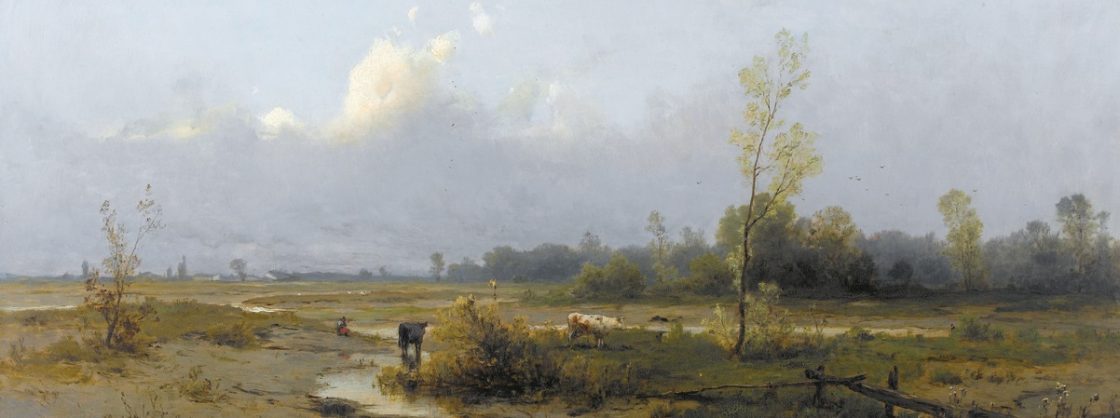
Ta praca wygląda na szkic do bliżej nieznanej dużej pracy Fałata. Ostrożność jest jednak bardzo wskazana, gdyż ogromna ilość falsyfikatów prac Fałata krąży po rynku. Tzw ‘szkic’ łatwo jest skomponować znając malarskie zainteresowania polowaniami tego malarza. Niemniej, warto przesledzić dalszy rozwój.
Dwa lata temu Bonhams (dom aukcyjny porównywalny do Christies) musiał wycofać z aukcji kopię ‘Polowania w Nieświeżu’ (myśleli, że to jest oryginalna praca lub może replika autorska). Przekonało Bonhams tłumaczenie, że zapewnie Fałat wiedział jak opisać poprawnie miejsce polowania. Na płótnie napisane jest ‘Nieświesz’. Taka głupia wpadka fałszerza! Generalnie, praca z Bonhams była kiepsko namalowana. Warto pamiętać o tym falsie by podchodzić na chlodno do każdego nowego odkrycia.
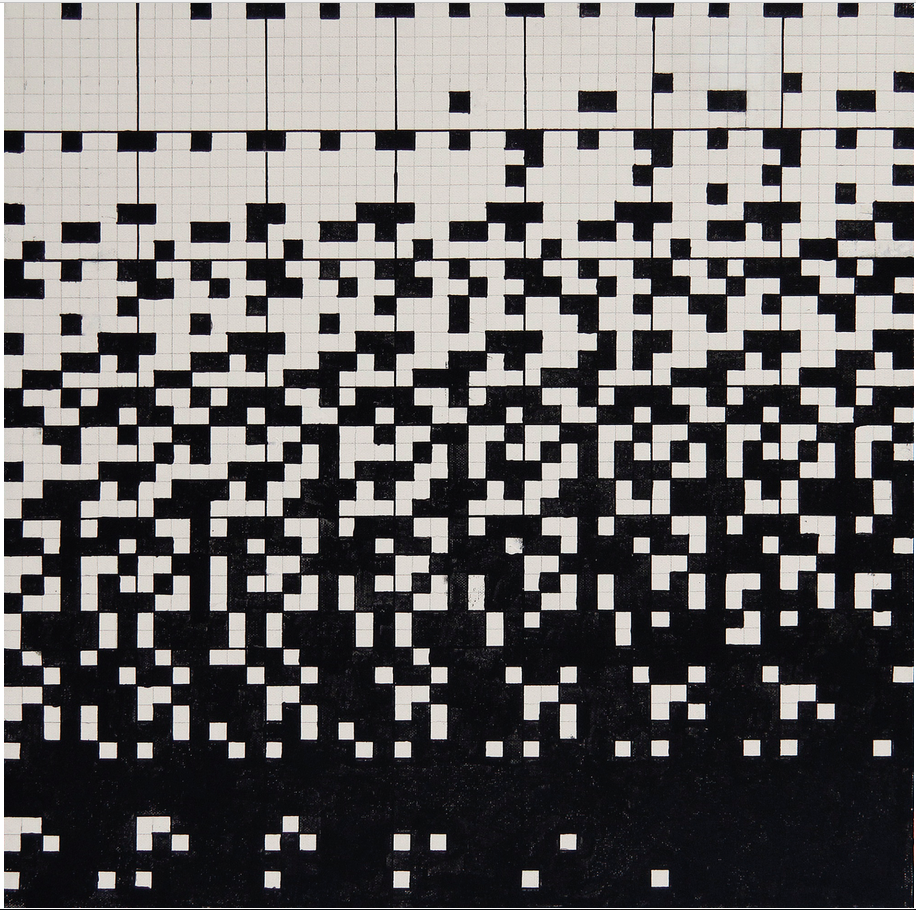
signed, titled, inscribed and dated 1993 on the reverse
acrylic and thermoplastic on canvas
185 by 152cm., 73 by 60in.
Exhibited
Martigny, Le Manoir de la Ville de Martigny, Hanna Zawa-Cywinska, 1999
Warsaw, Zacheta National Gallery, Hanna Zawa-Cywinska, 1999
Chelm, Contemporary Museum, Geometry and Metaphor, 2011
Lot 66. Tamara de Lempicka 1898 – 1980. POLISH. VASE WITH FLOWERS, signed LEMPICKA lower left, oil on canvas, 41 by 30.5cm., 16 by 12in. Estimate 120,000-180,000 GBP. Sothebys. 12/2/15
Provenance
Enrique de la Medina, Mexico (acquired from the artist in the 1950s)
Sale: Christie’s, New York, 6 October 1988, lot 61
Private Collection Switzerland
Sale: Burkard, Lucerne, 23 November 1996, lot 67
Private Collection, Great Britain
Purchased by the present owner in 2010
Exhibited
Rome, Complesso del Vittoriano, Tamara de Lempicka, La regina del moderno, 2011, no. 78, illustrated in the catalogue
Literature
Alain Blondel, Tamara de Lempicka, Catalogue Raisonné Peintures, 1921 – 1979, Lausanne, 1999, p. 364, no. B.316, catalogued & illustrated
Catalogue Note
Painted in 1952 Vase with Flowers is a typical example of the elegant floral still-lives Tamara de Lempicka painted in the post war period.
Tamara de Lempicka, nee Maria Gorska, was an artist of Russian origin born in Poland. Her family was very wealthy and Tamara grew up accustomed to a lavish, cosmopolitan lifestyle, which found expression in her iconic, Art Deco inspired depictions of the glamorous and wealthy in the 1920s. In 1914 she moved to Saint Petersburg where she met her first husband, Tadeusz Lempicka. They were forced to move to France following the Russian revolution, and it was here that Tamara took up painting in earnest and became a pupil of Andre Lhote and Maurice Denis. A talented painter who combined the influences of cubism, neoclassicism and Art Deco, Lempicka created elegant, stylish and sensual portraits which were stylistically instantly recognisable and commercially successful.
Her husband divorced her following a string of affairs, and Lempicka subsequently moved to America in 1930, where she met her second husband, Baron Raoul Kufner, and settled in New York, continuing the enchanted life of a successful artist and wealthy jetsetter. It was during the war years that Lempicka withdrew from public life and her artistic direction changed, shifting from portraits and depictions of the human form to still-life painting. More intimate in feel than her figurative compositions, these works nevertheless have all the hallmarks of Lempickas’ painterly virtuosity and innate elegance.
Indeed, in Vase with Flowers the graceful flower composition, the white vase and the crisp sheet of paper bearing the artist’s name convey both purity and a nostalgic feeling, and despite the change in subject matter, her painterly style is immediately recognizable. Lempicka herself wrote of her work: “Among a hundred paintings, you could recognize mine. My goal was: Do not copy. Create a new style, colours light and bright, return to elegance in my models.” True to this idiom, to this day, Tamara de Lempicka remains one of the twentieth century’s most popular and iconoclastic artists.




 Polish Art Corner