Henryk Siemiradzki (1843 – 1902)

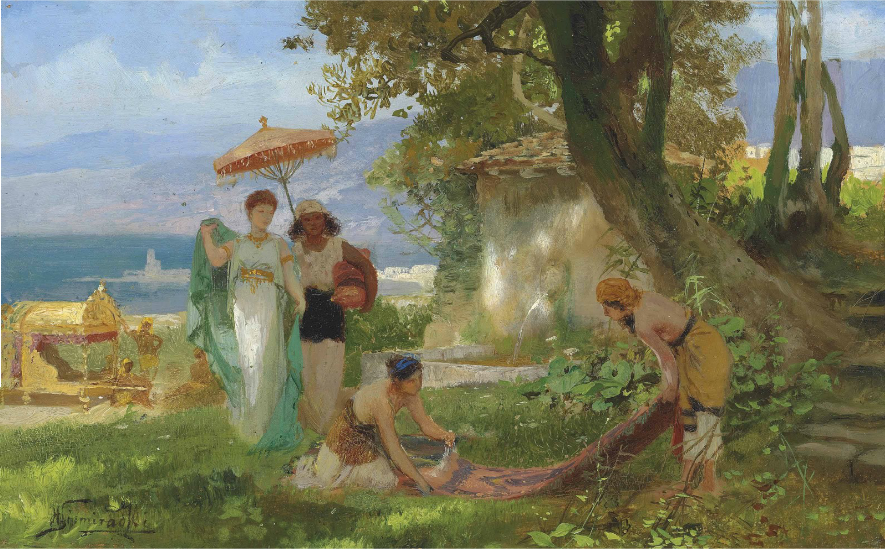
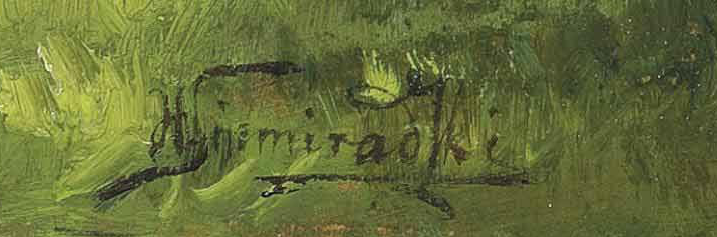
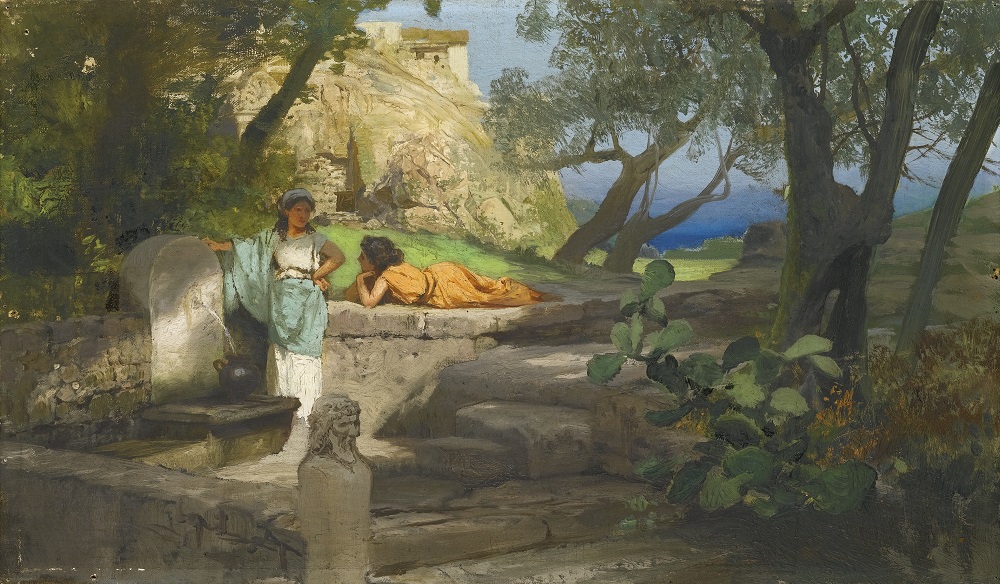
Henryk Siemiradzki. By the Spring

Bardzo nie lubię, gdy widzę pracę przerzucaną z aukcji na aukcję jakby to był gorący kartofel. Nikt nie chce jej trzymać za długo by się nie poparzyć i odrzuca drugiej osobie. Zwykle, w takim przypadku zastanawiam się nad przyczyną i zły jestem jeśli nie dojdę do sedna sprawy; czasami mi się udaje a czasami nie udaje. Tym razem nie jest to jedna praca ale są to aż trzy prace malarskie i to niebyle kogo bo Henryka Siemiradzkiego. Prawie rok temu, bo w październiku 2018 dostrzeglem w katalogu jednej z barcelońskich firm aukcyjnych trzy płótna Siemiradzkiego (wszystkie zostały sprzedane) i po roku widzę ponownie tę znajomą grupkę na aukcji, w innym miejscu, lecz również na terenach Hiszpanii. Wszystkie te trzy prace zostały pierwotnie kupione w 2015 roku, dwie z nich w snobistycznym Sotheby’s a jedna w Dorotheum. Teraz, wygląda tak jakby obecny właściciel starał się jedynie odzyskać włożone pieniądze w ten zakup lub nawet sprzedać je ze stratą.

Do rzeczy. Pokazana powyżej praca to ‘By the Spring’. Ma ona bardzo silną proweniencję. Według katalogu Sotheby’s z 2015 roku, pochodzi z rodziny Kudrewiczów, zaprzyjaźnionej z Siemiradzkim. Rodzina Kudrewiczów otrzymała spadek po malarzu. Większość prac podarowano MN w Krakowie a ta i kilka pozostałych były sprzedawane kilka lat temu w Sotheby’s. Tam też ktoś ją kupił do swojej kolekcji w Hiszpanii (kolekcja rosyjskiego i hiszpańskiego malarstwa). Praca została sprzedana w 2015 roku Sotheby’s za 22,500 GBP, w Hiszpanii w 2018 za 25,000 euro a teraz wyceniona na 25,000 – 30,000 euro. Gdzie tu logika sprzedaży (2018/19)?

Lot 35196739. HENRYK HIPPOLITOVICH SIEMIRADSKI (Russian Empire, 1843- Zarato of Poland, 1902). “In the spring“. Oil on canvas. Provenance: Family of the artist. Later Russian-Spanish collection. Estimate 25,000 – 30,000 euro. Setdart. 10/03/19
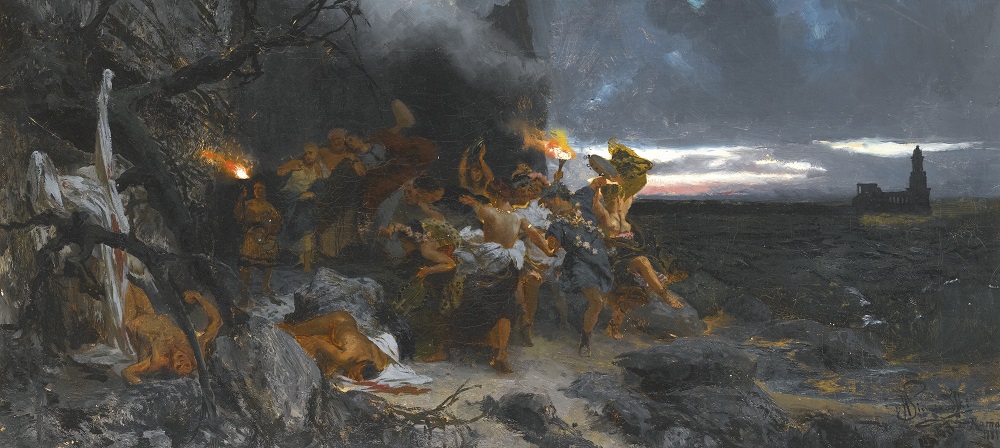

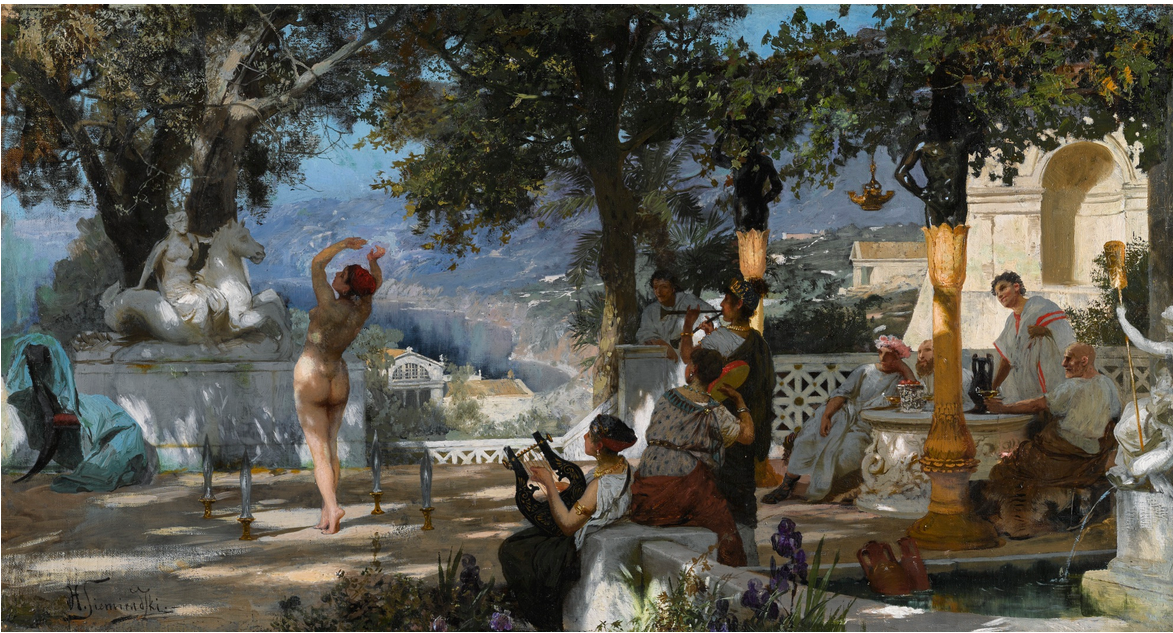
Henryk Siemiradzki. Orgy on Capri in the Time of Tiberius

Drugi z obrazów Siemiradzkiego to ‘Orgy on Capri in the Time of Tiberius’. W Sotheby’s obraz opisano jako studium do obrazu znajdującego się w Galerii Tretiakowskiej. Sprzedano go w Sotheby’s za 25,000 GBP. W Hiszpanii w 2018 roku sprzedano obraz za 25,000 euro (chyba ze stratą porównując do UK) a teraz po raz trzeci widzę ją z wyceną 25,000 – 30,000 euro.

Lot 35196734. HENRYK IPPOLITOVICH SIEMIRADSKI (Russian Empire, 1843- Zarato of Poland, 1902).”Orgy in Capri at the time of Tiberius“, 1881. Oil on canvas. Signed in the lower right corner. Work awarded at Sotheby’s London on 12/2015. Provenance: private Russian-Spanish collection. Measures: 34 x 70 cm. Estimate 25,000 – 30,000 euro. Setdart. 10/03/19
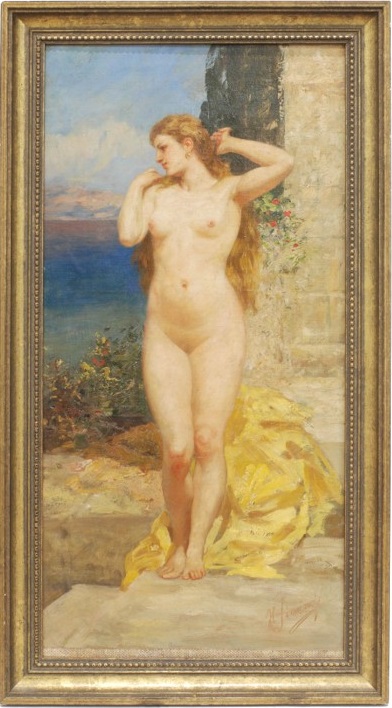

Henryk Siemiradzki. Phryne

Trzeca i ostatnia praca to „Phryne” i przedstawia stojącą nagą kobietę. Obraz pochodzi z Dorotheum, gdzie w 2015 roku sprzedano go za 12,500 euro jako jedynie przypisywany Siemiradzkiemu. Według opisu katalogowego jest to centralna postać innej pracy Siemiradzkiego „Phryne at the Poseidonia in Eleusis” z 1889 roku, przechowywanej w State Historical Museum St. Petersburg. Sugerowano w opisie pracy, że jest to prawdopodobnie późniejsza, mniejsza wersja fragmentu tej pracy z Petersburga. W 2018 roku pracę sprzedano w Barcelonie za 20,000 euro, zas obecnie jest wyceniona zakakująco nisko, 12,000 – 15,000 euro. Hmmmm.

Lot 35196741. HENRYK IPPOLITOVICH SIEMIRADSKI (Russian Empire, 1843- Zarato of Poland, 1902). “Phryne.” Oil on canvas, 52.5 x 26.5 cm. Signed in the lower right corner. Provenance: Russian-Spanish private collection. Estimate 12,000 – 15,000 euro. Setdart. 10/03/19


W sumie, gdybym mógł wybrać sposród trych trzech prac to postawiłbym na „By the Spring” ze względu na bardzo mocną proweniencję dającą pewność autentyczności pracy. Znane są szkice Siemiradzkiego do poszczególnych prac i zatem być może ta „Orgia” jest właśnie szkicem, choć pewności nie ma. Natomiast „Phryne” chyba jest najmniej pewnym płótnem choć mogę się tutaj oczywiście mylić. Gdy proweniencji nie ma lub została zatarta przez czas to trudno mieć pewność bez specjalistyczych i detektywistycznych badań.

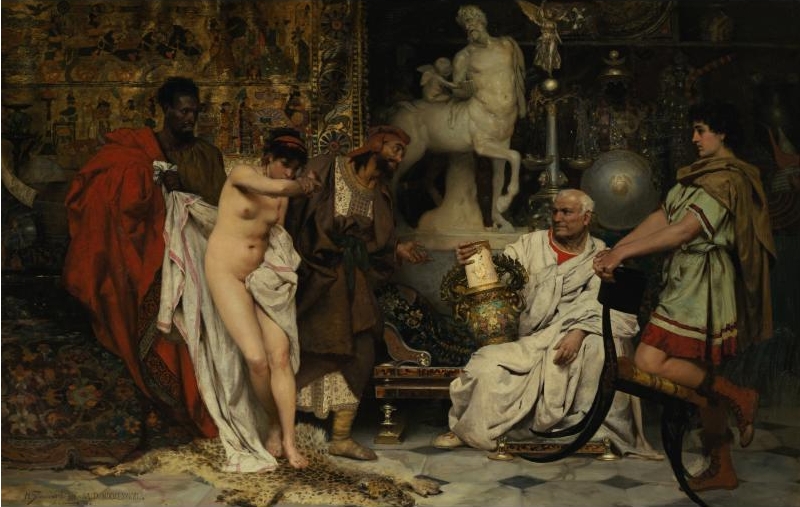
Henryk Siemiradzki (1843 – 1902) – atrybucja

Henryk Siemiradzki – atrybucja. Wazon czy kobieta, 1874

Bonhams reklamuje na jednej ze swoich aukcji sprzedaż ‘Zawartości XIX wiecznej Wilii Baltyckiej’. Zanim zacząłem przeglądać ten katalog zacząłem zastanawiać się co tam moglo przetwać w tej willi po przemarszach niezwyciężonej Czerwonej Armii? Okazuje się, że ta bałtycka willa była dobrze ukryta przed bolszewikami bo sporo przetrwało. Może zresztą należy rozszerzyć pojęcie ‘Willi bałtyckiej’ nie tylko nie tylko na naszą Litwę i Kurlandię ale równiez na kraje skandynawskie, częściowo Niemcy, Polskę(?), choć Wolne Miasto Gdańsk bym wykluczył bo tam nic nie przetrwało. [Takie dryfujące myśli bardzo rozpraszają.] Zawartość katalogu sugeruje jednak, że ta willa była chyba na wschód od Suwałk i to pod specjalnym protektoratem, skoro gromadzonych skarbów nie porąbano jakiejś okrutnej zimy.  Ale do rzeczy. Znalazłem tam akwarelę Krukowskiego (o której już pisałem) oraz akwarelę przypisaną Henrykowi Siemiradzkiemu ‘Kobieta czy wazon’ jako replikę sporego oleju tego malarza. Po powiekszeniu i dokładnym obejrzeniu tej akwareli zdecydowanie wybrałem wazon.

Lot 14. After Genrikh Ippolitovich Semiradsky. ‘Wazon Czy Kobieta (The Girl or the Vase)’, inscribed and dated ‘Roma 1874 HSiemiradzki’ (lower right) watercolour, 38 x 52cm (14 15/16 x 20 1/2in). Provenance: Anon. sale, Bolland & Marotz, Bremen, date unknown, lot 835. Estimate £ 2,000 – 3,000. Bonhams. 10/16/19. Sold for £ 4,812 (US$ 6,337) inc. premium

Henryk Siemiradzki. Wazon czy kobieta, 1874

Henryk Siemiradzki (1843 – 1902)

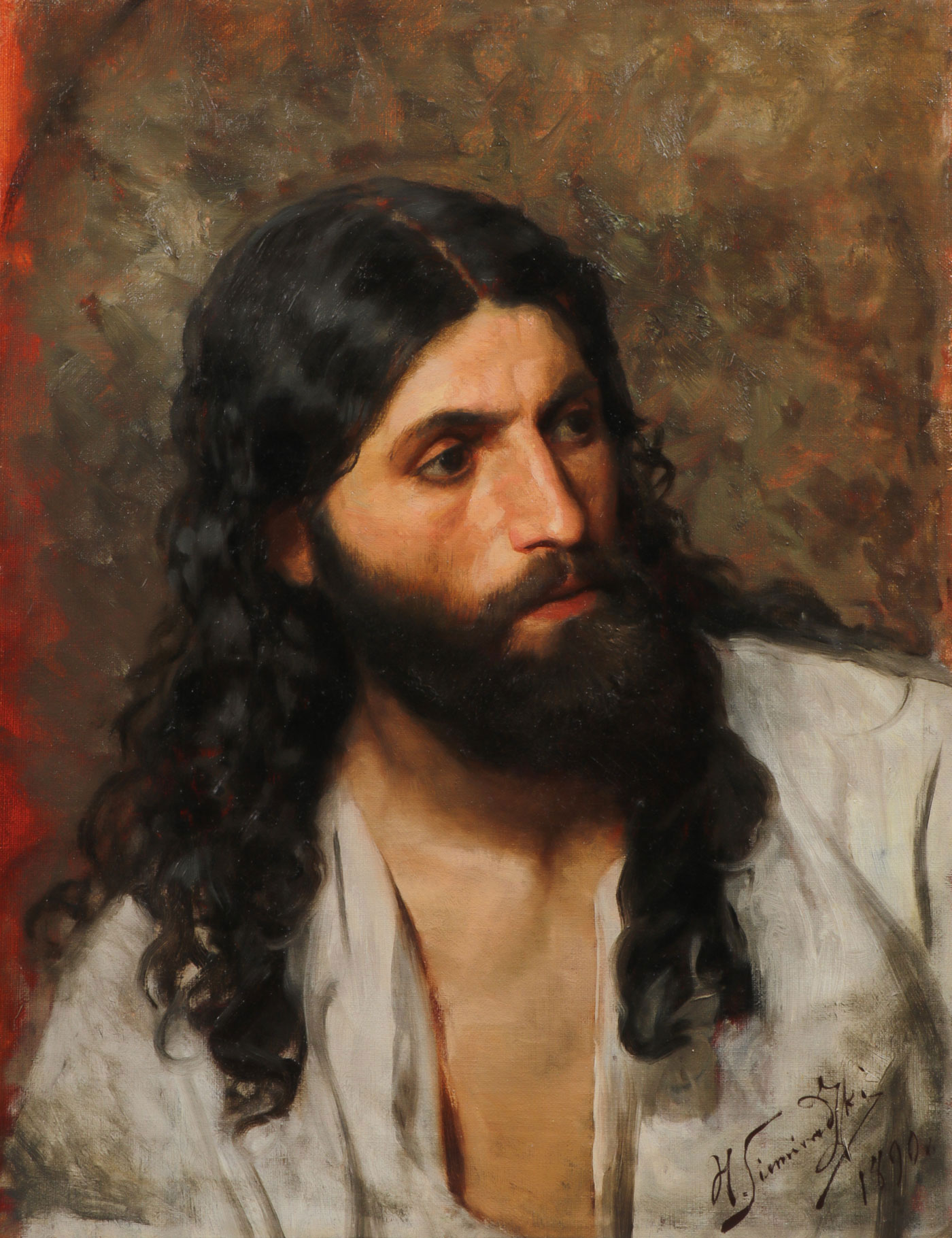
Henryk Siemiradzki. Portrait of a Bearded Man, 1890

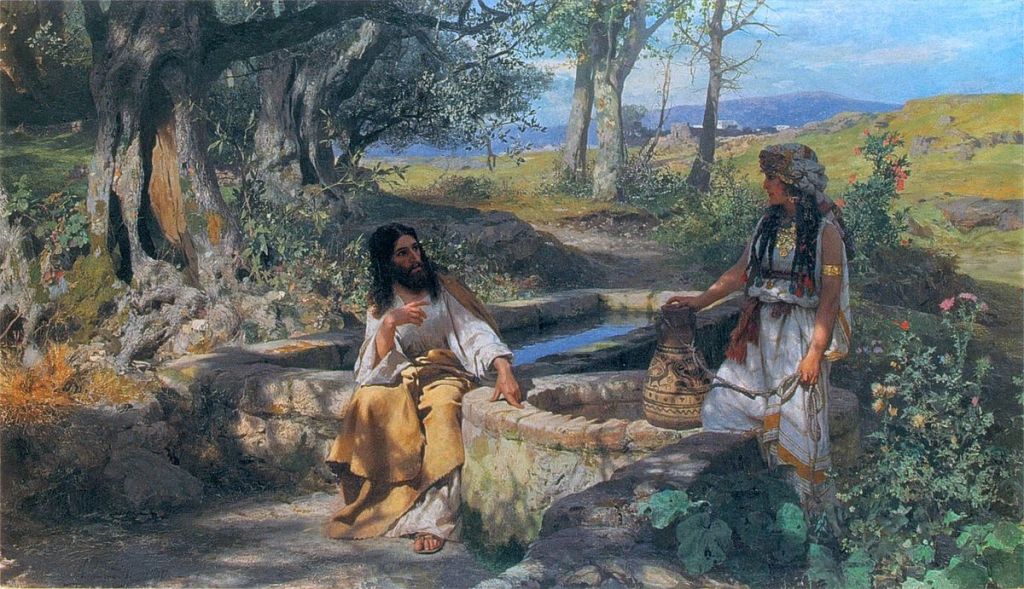
Rzeczywiście, może to być studium do dużej pracy Siemiradzkiego ‘Chrystus i Samarytanka” , 1890 (olej na płótnie, 106 x 184 cm), obecnie w zbiorach Lwowskiej Galerii Sztuki. Pyszna sygnatura.

O niebo lepsze i tańsze jest to malarstwo od współczenego!

Henryk Siemiradzki. Portrait of a Bearded Man, 1890 – sygnatura

Lot 57. HENRYK HEKTOR SIEMIRADZKI (Russian 1843-1902). Portrait of a Bearded Man- likely a study of Christ for the painting Christ and the Samaratin-1890. Oil on canvas. Signed lower right and dated 1890. 17 inches x 13.5 inches (43 x 34 cm). Estimate $25,000-50,000. Jackson’s Auctioneers. 07/30/19


Henryk Siemiradzki. Chrystus i Samarytanka, 1890

Henryk Siemiradzki (1843 – 1902)

Siemiradzki

Lot 13. Henryk Siemiradzki 1843 – 1902

THE SWORD DANCE

signed in Latin l.l.
oil on canvas
40 by 73.5cm, 15 3/4 by 29in.

Exhibited: Warsaw, Towarzystwo Zachęty Sztuk Pięknych, Henryk Siemiradzki 18431902, 1939

Estimate 80,000-120,000 GBP. Sothebys. 11/28/17

The Sword Dance is one of Siemiradzki’s most recognisable compositions. The whereabouts of the original, and largest, version dating from 1879-80 is unknown. In 1881, the collector Kozma Soldatenkov commissioned another version (120 by 225cm), which after his death was given to the Rumyantsev Museum and is now in the collection of the State Tretyakov Gallery. Another, dating from 1887 and measuring 77 by 155cm was sold at Sotheby’s New York in 2011, establishing a new record for the artist at auction. It is interesting to note that the artist never executed exact copies and that each painting is distinct. In the present work, for example, the artist has varied the direction in which the dancer is facing.

Henryk Siemiradzki (1843 – 1902)

38N171019_138_61012_15

Lot 1261. Henryk Siemiradzki (Bilhorod near Kharkov 1843–1903 Strzalkow)
By the fountain, signed H. Siemiradzki pinx,
oil on canvas, 50 x 35.5 cm, framed, (Rei)

A certificate by Dr Tatiana Karpova is available.
A technical certificate issued by Prof Manfred Schreiner, Vienna Academy of Fine Arts, in March 2017, is available.
We are grateful to Dr Olga Sugrobova-Roth for her scientific assistance.

Estimate EUR 30,000 to 40,000 (USD 36,000 to 48,000). Dorotheum, 10/19/17 (1737500)

38N171019_138_61012_15_a

38N171019_138_61012_15_b

Henryk Siemiradzki (1843 – 1902)

Siemiradzki

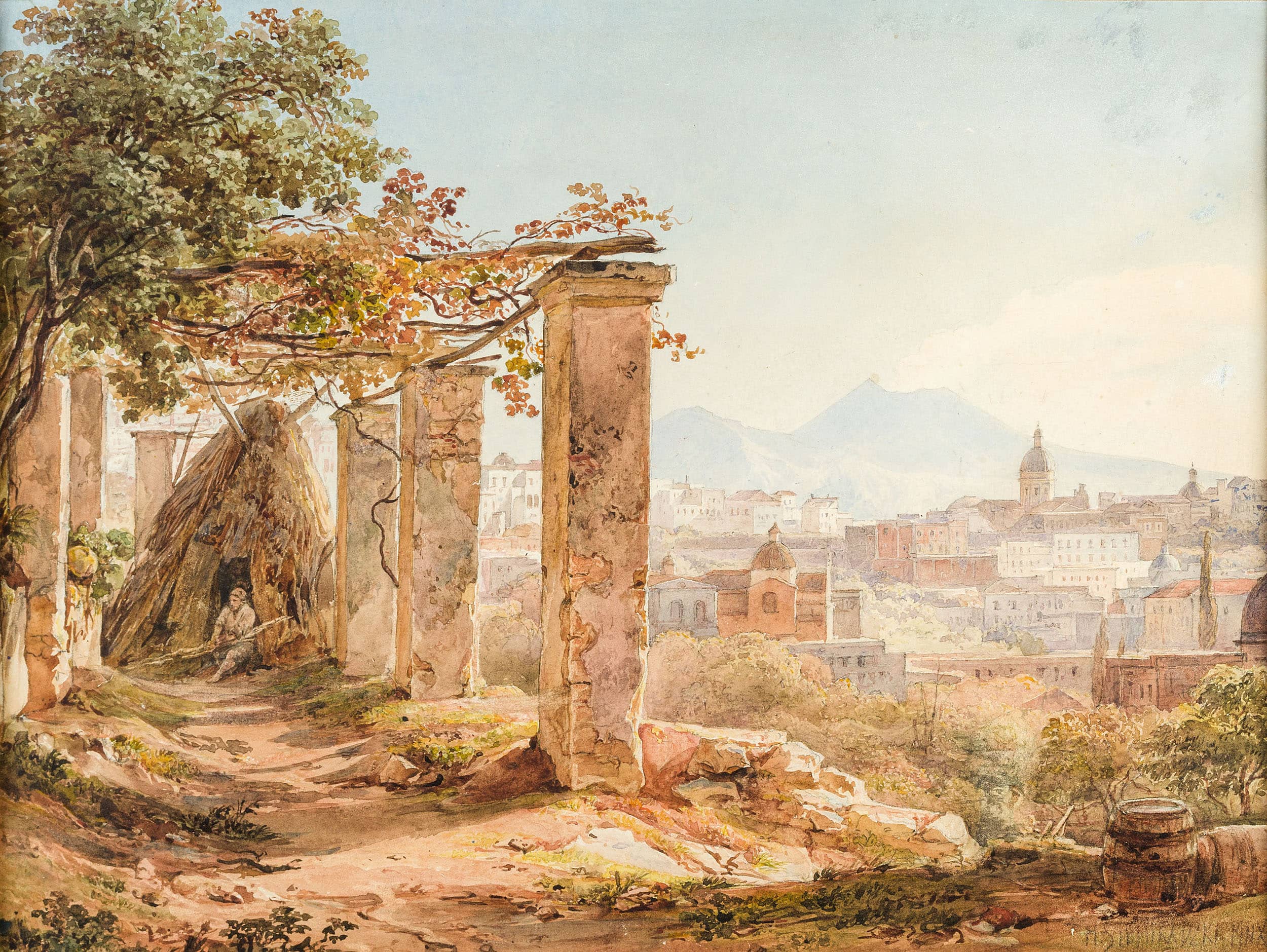
Lot 609. HENRYK SIEMIRADZKI Bilhorod (Polonia) 1843 – Strzalkow (Polonia) 1902
Veduta di Napoli da Capodimonte
Firmato’H Siemiradsky pinx’ in basso a destra
Acquarello su carta, cm 20X27,5
Sieradisky nacque in una famiglia polacca a Bielgorod in Ucraina- in seguito entra nell’Accademia di Belle Arti di San Pietroburgo dove si diploma nel 1870 meritandosi una medaglia d’oro per il quadro ‘Alessandro il Macedone ed il suo medico Filippo’, nonchè una borsa di studio di sei anni all’estero. Nel corso del suo viaggio artistico il pittore passa per Monaco di Baviera, dove realizza ‘L’orgia romana’, ora presso il Museo Russo di San Pietroburgo. A Roma arriva nel 1872 e stabilendosi infine in una magnifica villa all’angolo di Via Gaeta con Viale di Castro Pretorio.
Nei suoi dipinti si trovano numerosi richiami a opere rinvenute negli scavi a Roma e all’ombra del Vesuvio, luoghi di cui l’artista appare innamorato al punto tale da trasferirli nelle sue opere molto spesso. Nell’arco di tre decenni, quasi ogni anno, andò ad ammirare la Baia di Napoli, gli scavi archeologici e le opere esposte nel Museo Archeologico: alcune di queste appaiono tra l’altro nel dipinto ‘Le torce di Nerone’.

Start price : 7,000 euro. Wannenes Art Auctions. 05/31/17

Henryk Siemiradzki (1843 – 1902)

siemiradzki

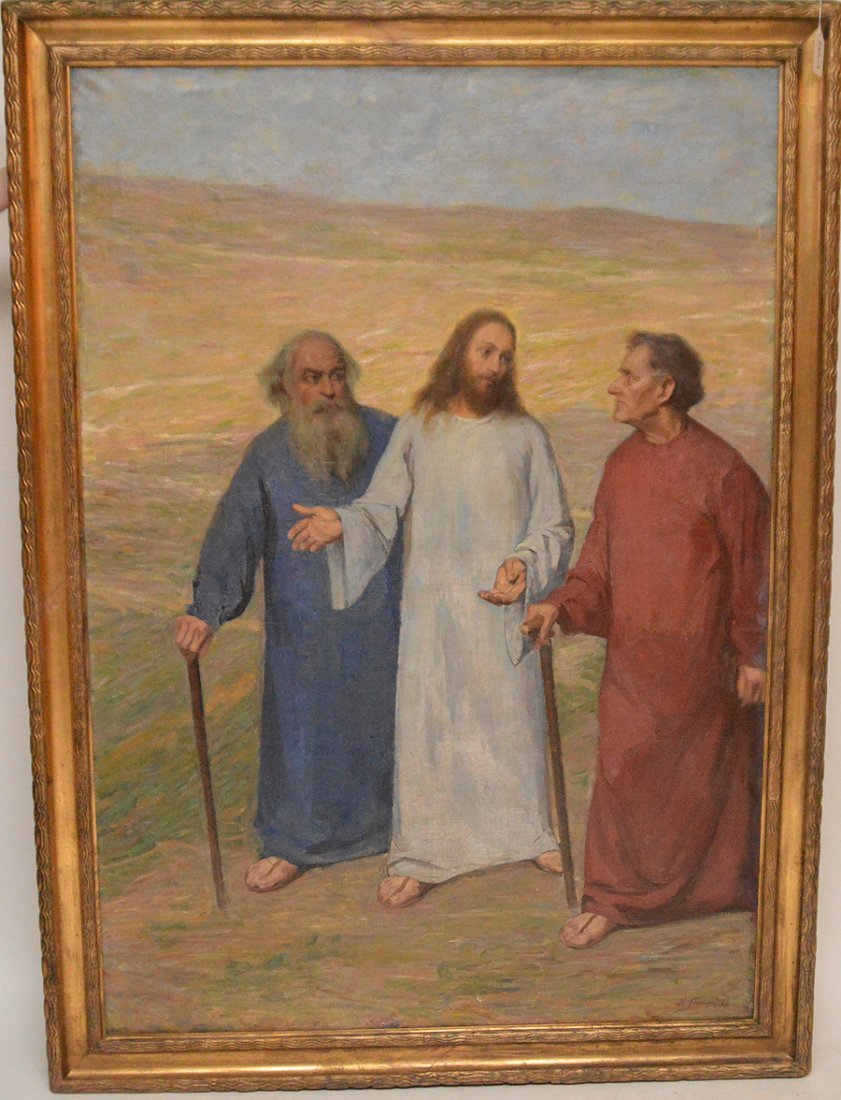
Trzeba pogratulować autorowi tej pracy wysiłku w odszukaniu sygnatury Siemiradzkiego zaś firmie Bill Hood and Sons biegłej znajomości polskiego malarstwa.

————————————————–

Lot 0160B. Henryk Siemiradzki (POLISH/UKRAINIAN, 1843-1902) oil on canvas, Jesus Christ with 2 of the apostles, canvas size is 63″ x 44″

Bill Hood and Sons. Estimate: $1,000 – $2,000. 09/20/16

siemiradzki-sign

Henryk Siemiradzki (1843 – 1902)

Siemiradzki

Lot 1207. Henryk Siemiradzki (1843 Petschenihy bei Charkiv – 1902 Strzalków bei Tschenstochau)
Am Brunnen. Öl/Lwd.; R. u. sign.; 42 cm x 68 cm. Rahmen.

Motiv aus der griechischen Antike. An einem Brunnen sitzende, junge Griechin in sinnierender Pose. Am Brunnenrand kniender unbekleideter Knabe. In Motiv, Komposition und Stil repräsentatives Werk des bedeutenden polnisch-ukrainischen Malers. Siemiradzki studierte 1864-1870 an der Akademie in St. Petersburg; mit einer Goldmedaille und einem Stipendium ausgezeichnet, wurde er 1870/71 Schüler Karl Theodor v. Pilotys an der Münchener Akademie. Ab 1872 war Siemiradzki in Rom ansässig, später auch auf seinem Gut Strzalków bei Tschenstochau. 1878 erhielt er eine Goldmedaille auf der Pariser Weltausstellung. Siemiradzki wählte die Motive für seine Historien- und Genrebilder meist aus dem griechischen und römischen Altertum. Ihre genaue Wiedergabe des Stofflichen, ein nuanciertes Kolorit und ein subtiles Spiel mit Effekten des Sonnenlichts steigern die Bildwirkung. Dieses vermutlich unter Werkstattbeteiligung ausgeführte Gemälde gehört zu einer Reihe von Darstellungen mit arkadischen Szenen und Brunnen-Motiven. Siemiradzkis Werke werden u. a in der Tretjakow-Galerie in Moskau sowie in den Nationalmuseen in Warschau und Krakau gezeigt.

Beigefügt: Expertise von Jadwiga Oczko-Kozlowska, Krakau, 10.4.2015; UV-Untersuchungsbericht vom 24.04.2015.
Oil on canvas. Signed. Accompanied by an expertise by Jadwiga Oczko-Kozlowska, Krakow,10.04.2015.

Reserve 25,000 euro. Schloss Ahlden. 09/10/16

Henryk Siemiradzki (1843 – 1902)

Art documentation by Todd-White


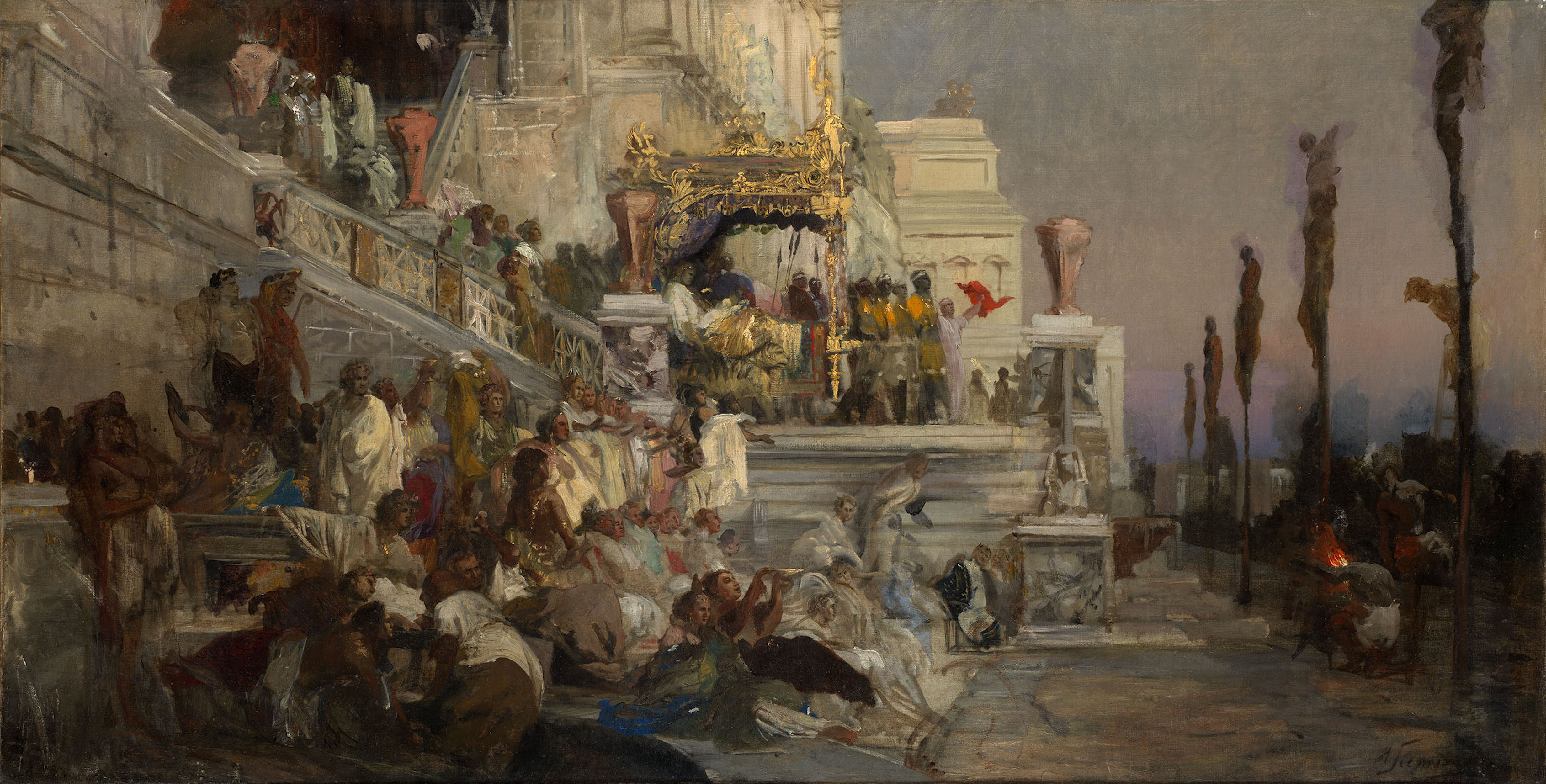
Lot 20. SEMIRADSKY, GENRIKH (1843-1902)
Leading Light of Christianity. Nero’s Torches, signed.
Oil on canvas, 88.5 by 175.5 cm. Executed c. 1876.
Provenance: Private collection, Europe.
Acquired from the above by the present owner in 2007.
Private collection, UK.
Authenticity of the work has been confirmed by the expert V. Petrov.
Authenticity has also been confirmed by the experts L. Gladkova and T. Karpova.

Authenticity certificate from the expert L. Gladkova.
Literature: T. Karpova, Genrikh Semiradsky, St Petersburg, Zolotoi vek, 2008, p. 74, mentioned in the text.
On offer for auction, this monumental study of Genrikh Semiradsky’s most famous painting, Leading Light of Christianity. Nero’s Torches, is the only one of the artist’s large-scale preparatory works for this canvas that still remains in private hands.
His four years of intensive work on the seven-metre Leading Light of Christianity. Nero’s Torches (from 1873 to 1876) saw Semiradsky produce many graphic sketches, preparatory studies and a series of preliminary drawings, the majority of which, like the painting itself, now reside in the collection of the National Museum in Kraków (Poland).
The idea to paint this majestic canvas from Roman history first occurred to Semiradsky during a tour of Europe, with the artist sharing his thoughts in a letter dated September 1873 to the conference secretary of the Imperial Academy of Arts, Petr Iseev: “The subject of the painting is taken from the first persecution of the Christians under the Emperor Nero. In the splendid garden of Nero’s Domus Aurea, preparations are being made for a lavish nighttime feast. In a clearing in front of the palatial terrace, a crowd has gathered, impatiently awaiting the start of the grand spectacle: human torches, formed from Christians on top of high posts, bound with straw and coated with tar, positioned at equal intervals. The torches have yet to be set alight, but the emperor has already arrived, brought in on a golden litter and surrounded by an entourage of hired flatterers, women and musicians. The signal has been given and slaves are preparing to set the torches aflame, the light from which will illuminate the most despicable of orgies. Yet these very same torches have dispelled the darkness of the pagan world and, while burning in terrible agony, diffused the light of the new teaching of Christ. That is why I am thinking of naming my painting Christian Lights or Leading Lights of Christianity.”
Work on such a composition could only be started “on the very site of the action, amid the inexhaustible material that is provided by the museums here, the ruins and even the local people”, and so the artist cut short his travels and headed straight for Rome.
In addition to a breathtaking historical subject and a setting that teems with ornate sumptuousness, Semiradsky sought to produce an archaeologically accurate and authentic picture of antiquity, one that was destined to buttress his fame as an erudite artist. Semiradsky derived his descriptions of Nero’s Domus Aurea, which had long since been destroyed by the time he put paint to canvas, from Suetonius’s work The Twelve Caesars. In order to give the greatest possible verisimilitude and genuine colouring to the scene, the artist considered the archaeological material very closely – the evidence of which can be seen, for instance, in the study’s carefully drawn balustrade of Nero’s palace, which Semiradsky copied from the surviving fragments of its gallery.
Tatyana Karpova, the author of a monograph about Semiradsky and a specialist on the artist’s oeuvre, stresses the significance of this particular version of the composition, which is on offer for auction. She notes that “the format, more elongated than in the actual painting, enables Semiradsky to avoid the compositional shortcoming of the original – the overloading of the left-hand side and the excessive nearness of Nero’s “human torches” to the viewers. In the study, the line of torch poles – against the backdrop of a sunset sky – produces a stronger dramatic impression” (T. Karpova, Genrikh Semiradsky, St Petersburg, Zolotoi vek, 2008, p. 74). The study itself is notable for its pictorial freedom and compositional mastery.
Indeed, in the final composition, Semiradsky would reject the effect of presunset lighting, which seems to envelop the whole scene in a delicate pink haze. However, on the whole the artist did retain the colour treatment he had achieved in the study, as well as the plein air accents (specifically, the group of patricians in dark clothing by the wall, the emperor’s scintillating golden litter in the centre, and the figure of a man holding a piece of red material in the foreground, ready to give the signal for the execution to begin).
All this leads us to regard this study not only as the closest we have to the final version of the famous picture, but a separate page in the biography of Semiradsky. This is particularly the case, as according to the recollections of his contemporaries the artist was always as proud of his studies as he was of the finished works (“his studies always won first prizes”). Semiradsky himself admitted to a friend from his Academy days, the historical and religious painter Karl Venig, that “studies are his domain” and that, when composing them, he feels “right at home”.
The immense, Europe-wide furore that accompanied Leading Light of Christianity. Nero’s Torches brought Semiradsky fame in his lifetime, the title of professor, a gold medal at the Paris World’s Fair, the French order of the Légion d’honneur and, indeed, requests for a repetition of this composition. However, despite the abundance of works in Semiradsky’s legacy that are associated with the Leading Light, this study offered here for auction remains one of the most harmonious, inspired and self-contained of the artist’s images.

Estimate 400 000 £ / 500 000 £. MacDougall’s. 06/08/16