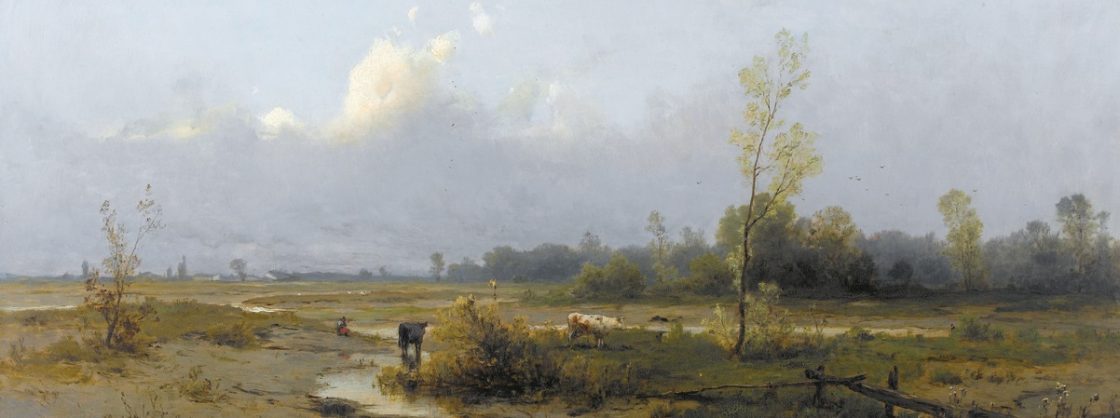

Być może umknęła czytelnikom informacja podana wczoraj w prasie zachodniej o falsyfikacie pracy Fransa Halsa sprzedanego kilka lat temu przez Sotheby’s za ok $10,000,000.
http://www.bbc.com/news/entertainment-arts-37574411
O istnieniu falsyfikatów na rynku sztuki mówi się mało, zwłaszcza w Polsce. Nie są to to aż tej wysokości zakupy co na rynkach zachodnich. W Polsce zwykle tracą bezpowrotnie pieniądze osoby szukające okazji, mało znające się na sztuce. Myślę też, że nie są to duże pieniądze (sprawa to oczywiście relatywna do zarobków). Dlatego polecam przeczytać komentarz do tego artykułu z BBC (poniżej) jaki ma również zastosowanie do prac polskich nie tylko na aukcjach zagranicznych ale też i w POLSCE. Lepiej się dwa razy zastanowić i nie ulegać emocjom. Czasmi wystarczy wyprawa do okulisty po lepsze okulary. Nie dajcie się oszukać.

‘What are you in for?’ – ‘Forgery.’
Analysis by BBC arts editor Will Gompertz:
Unless you have bought the painting or sculpture directly from the studio of a living artist, you are running the risk of buying a fake.
On the plus side, science is increasingly playing a part in authenticating artworks – but then a top notch forger tends to find ways to stay ahead of the game.
Provenance is all. If you want to reduce the odds of purchasing a fake, then you need the paperwork that details all past owners and what they have done to conserve the piece.
The more gaps in an artwork’s “backstory”, the greater the opportunity for Mr Dodgy to get to work. In the parlance of the motor trade, you really need to see a full service history.
Fakes are far more common than many in the art world would admit in public. Uncertainty is rarely good for business. But then just look at the success of shows like Fake or Fortune, which appear to have an endless supply of tales to tell.
 Polish Art Corner