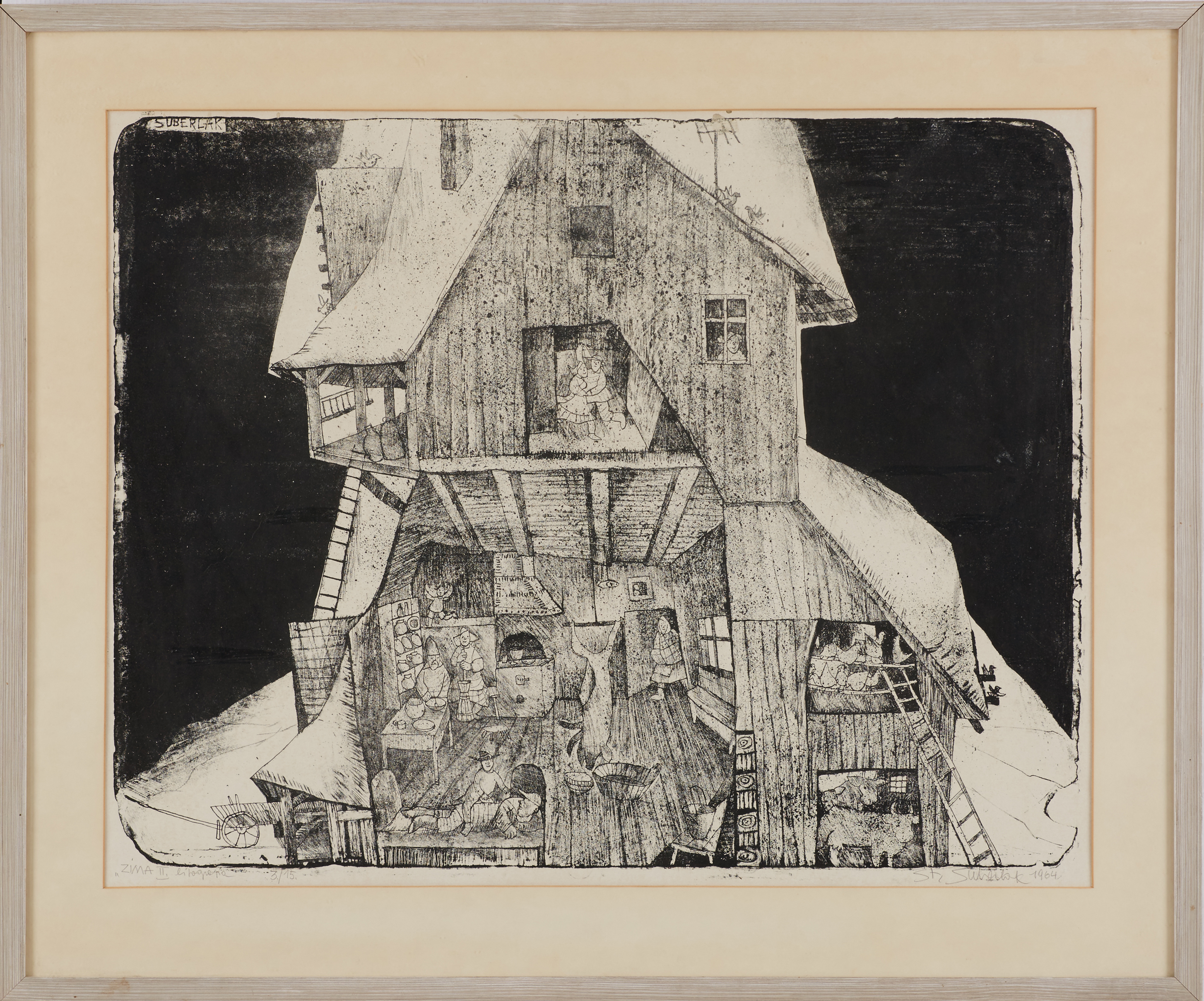
Lot number 341918. STEFAN SUBERLAK (Poland, 1928-1994), “Zima II” – Winter, signed and dated 1964, numbered 3/15, lithography, 55×71 cm
Estimate SEK 2,000. Stockholms Auctionsverk. 11/14/15
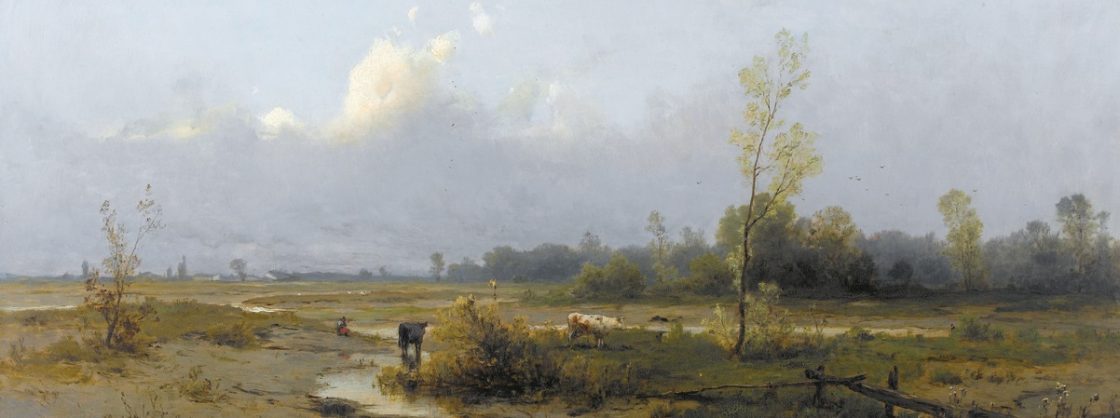
Lot number 341918. STEFAN SUBERLAK (Poland, 1928-1994), “Zima II” – Winter, signed and dated 1964, numbered 3/15, lithography, 55×71 cm
Estimate SEK 2,000. Stockholms Auctionsverk. 11/14/15
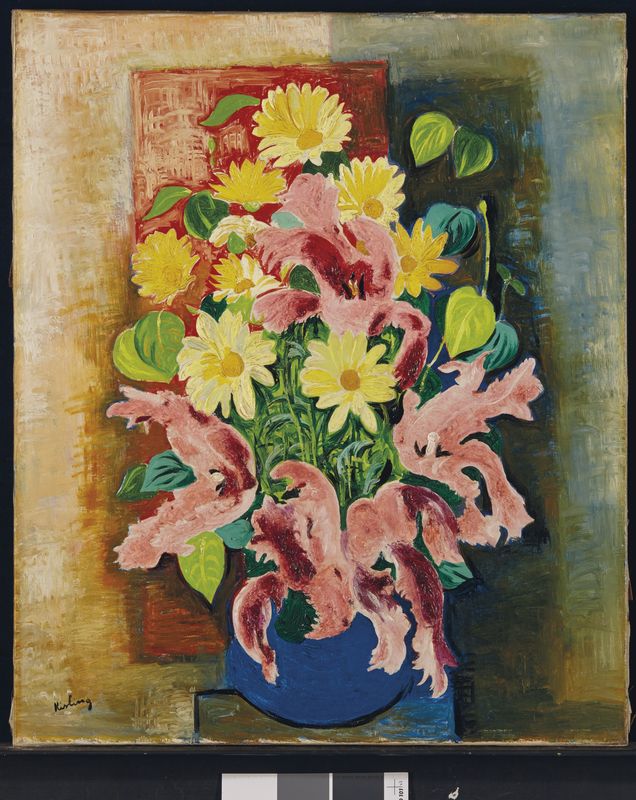
Lot 159. Moise KISLING (Cracovie 1891- Sanary sur mer 1953)
Bouquet de fleurs, circa 1935-39
Huile sur toile
53 x 46 cm
Signé en bas à gauche Kisling
Ce tableau sera inclus au Volume IV du catalogue raisonné actuellement en préparation par Messieurs Jean Kisling et Marc Ottavi
Estimate 100,100-120,000. Millon. 11/20/15
——————————————-
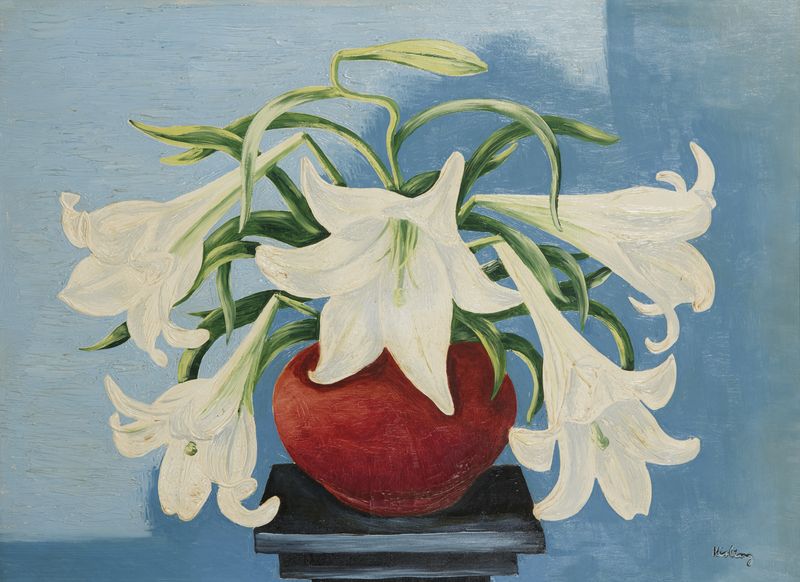
Lot 166. Moise KISLING (Cracovie 1891- Sanary sur mer 1953)
Vase de lys, 1935
Huile sur toile d’origine
54 x 73 cm
Signé en bas à droite Kisling
Provenance:
Collection privée, Paris
Ventte anonyme, Paris, 17 juin 1989, Maître Loudmer
Bibliographie :
Jean Kisling, Kisling, 1891-1953, Paris, 1995, Tome III n° 117 reproduit page 247
Estimate 80,000-100,000. Millon. 11/20/15
———————————————-
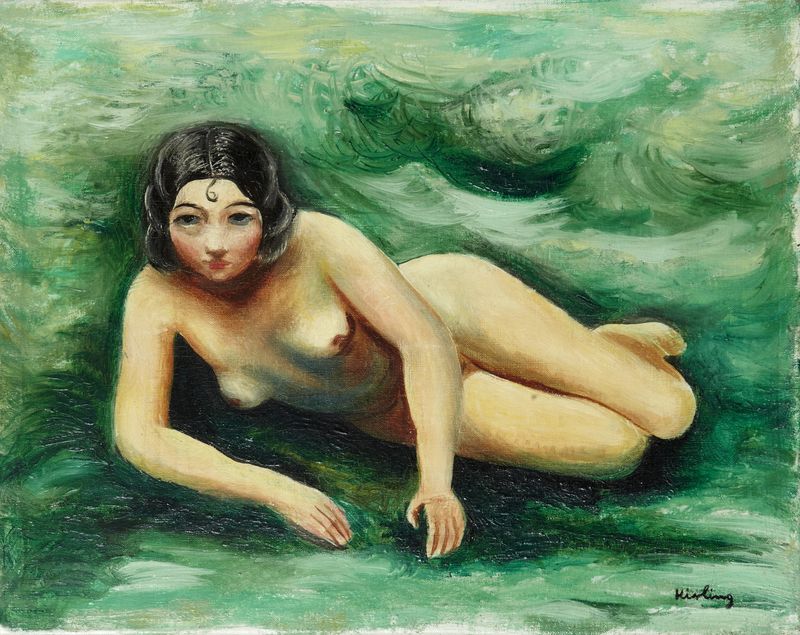
Lot 175. Moise KISLING (Cracovie 1891- Sanary sur mer 1953)
Nu allongé dans l’herbe
Huile sur toile
21 x 26 cm
Signé en bas à droite Kisling
Provenance:
Vente anonyme, Versailles, Maître Blache, 18 juin 1980
Collection particulière
Bibliographie:
J. Kisling; Kisling 1891-1953;tome II, Paris – Turin 1982, n° 83, reproduit p. 312
Estimate 20.000-30.000. Millon. 11/20/15
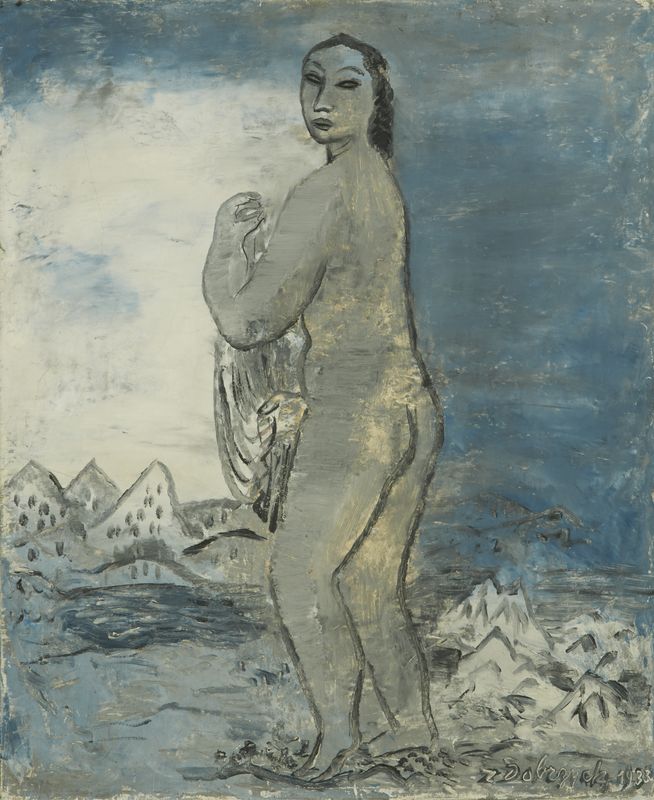
Lot 150. Zygmunt DOBRZYCKI (Oleskin 1896- Beauvallon 1970)
Jeune femme au bain
Huile sur toile d’origine
61 x 50 cm
Signé en bas à droite Z Dobrzycki 1933
Porte au dos de la toile sur un papier marouflé l’inscription Z. Dobrzycki, 38 rue de la Cascade
Porte sur le châssis l’inscripton manuscrite Z. Dobrzycki
Estimate 1,000-1,500 euro. Millon. 11/20/15
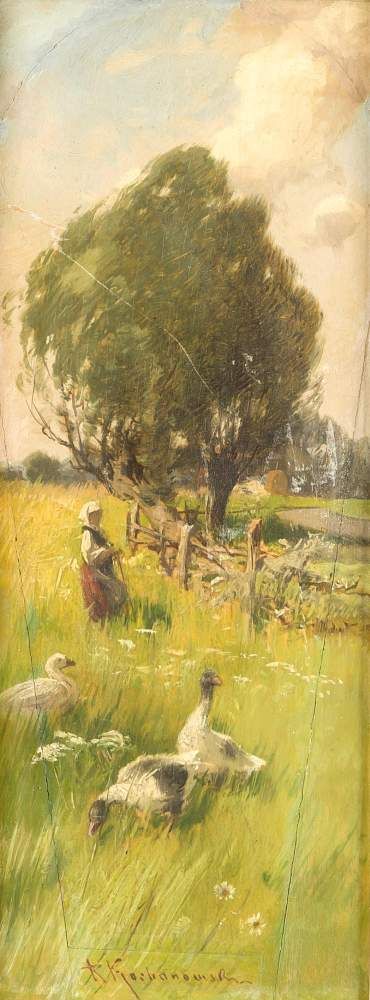
Lot 1418. Roman Kochanowski (1856-1945), Magd mit Gänsen auf einer Sommerlichen Wiese, Öl/Holz, u.mi. sign., Platte umlaufend mit schlüssellochförmigem Schnitt, dieser retusch., 29 x 11 cm, 39 x 22 cm
Reserve 1,200 euro. Historia Auktionhaus. 12/1/15
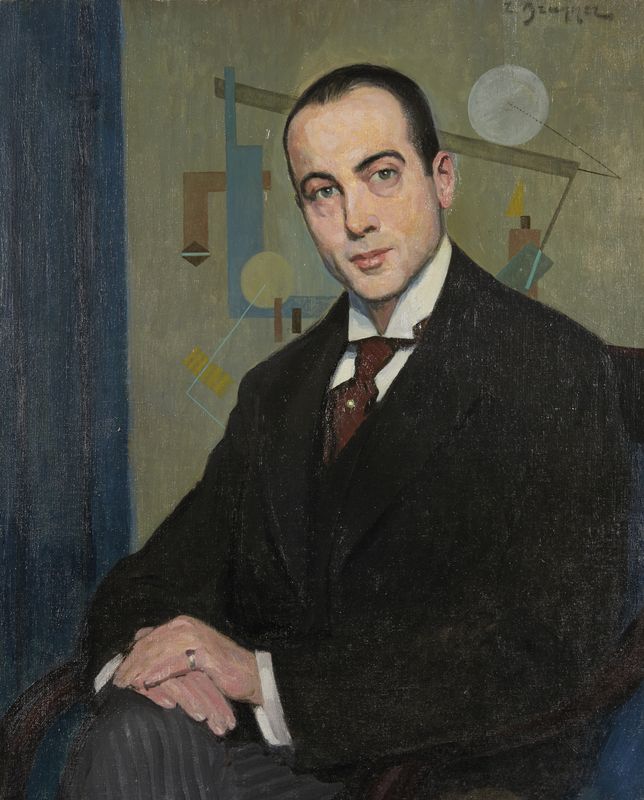
Lot 160. Zygmunt BRUNNER (Varsovie 1878 – Paris 1961)
Portrait de El Lissitzky
Huile sur toile d’origine
73 x 60 cm
Signé en haut à droite Z Brunner
Le portrait représente le célèbre artiste, icône de l’avant-garde russe, peintre, photographe, architecte, designer et typographe, Lazar Lissitzky, dit El Lissitzky (1890-1941). La Révolution de 1917 boulverse son destin et en fait la figure de proue du nouvel art. La rencontre avec Kasimir Malevitch à l’Ecole artistique de Vitebsk créée par Marc Chagall le pousse vers une nouvelle stylistique. La rencontre avec Vladimir Tatline le dirige vers le constructivisme. Le voyage à Berlin l’oriente vers le Bauhaus et De Stijl, où il collabore avec Moholy-Nagy, Van Doesburg, Mondrian et d’autres. C’est à partir de 1919 qu’il crée ses premiers « prouns » (« Projet pour l’affirmation du nouveau ») dans la stylistique de l’abstraction géométrique.
Le portrait représente El Lissitzky sur un fond faisant allusion à la stylistique de l’artiste soviétique. Son auteur, le Polonais Zygmunt Brunner, dit aussi Zyg, Zyg- ou Zig Brunner (1878 Varsovie – 1961 Paris) fut connu en France en tant que peintre, dessinateur et caricaturiste. Elève de l’Académie Julian à Paris, il évolue dans le cercle de Louis Marcoussis (Ludwik Markus) et de l’avant-garde de Montmartre. Il collabora avec les plus importants titres de la presse parisienne illustrée, dont La Vie Parisienne, L’Assiette au Beurre, L’Amour, Les Annales, La Baïonnette, Le Cri de Paris, Fantasio, Femina, La Flèche de Triboulet, Flirt, Frou-Frou, la Gazette du Bon Ton, L’Humorisme, Illustration des modes, L’Image, L’Intransigeant, Jean-qui-rit, Je sais tout, Le Journal, Lectures pour tous, Marianne, Le Mois gai, Paris-Journal, Paris toujours, Les Potins de Paris, Nos Loisirs, Les Quat’z-Arts, Ridendo, Le Rire, Le Sourire, Tygodnik Ilustrowany, Voilà…, ainsi que de nombreux livres, dont ceux de Thomas Mann, d’Anatol France, de Roland Dorgelès ou des frères Grimm. Il est également l’auteur des natures mortes, paysages et portraits qu’il exposait surtout au Salon d’Automne.
Dr Ewa Bobrowska
Estimate 8,000-12,000 euro. Millon. 11/15/15

Lot 151. Wladimir de TERLIKOWSKI (Poraj 1873 – Paris 1951)
Le massif du Sancy, Auvergne
Huile sur toile
118 x 175 cm
Signé et daté en bas à gauche W de Terlikowski 1911
A partir des années 1910, le Massif du Sancy commence à être fréquenté par un nombre croissant de peintres paysagistes venus de tous les horizons. Les artistes se retrouvent et peignent ensemble les neiges d’Auvergne. Ce mouvement se concentre rapidement sur le site de Murols et donne le nom d’ “Ecole de Murols”.
C’est en 1911 que Wladimir de Terlikowski commence à travailler sa palette au couteau aux côtés du peintre Victor Charreton à Murol.
Terlikowski est un des trois instigateurs de l’Ecole de Murols avec Victor Charreton et L’abbé Boudal. Passionné par les paysages d’Auvergne et par les effets de lumière sur la neige il organise deux expositions exclusivement sur les paysages et vues de cette région. Il expose notamment à Besse-en-Chandesse en 1911 et en 1913 à la galerie Berheim-Jeune où pas moins de quatorze vues de Murol sont présentées sur le thème de “La neige en Auvergne”.
Ses paysages d’Auvergne sont également exposés dans les différents Salons et galeries parisiennes et londoniennes. L’utilisation des blancs, roses et violets est représentative de la palette de Terlikowski à cette époque.
Il se peut que notre tableau ait été exposé en 1913 à la galerie Berheim-Jeune sous le numéro 11, “Vue du pic de Sancy”.
Terlikowski et L’abbé Boudal à l’entrée de la Vallée de Chaudefour, reproduit dans Nicolas Chabrol, L’école de Murols, Peintres des paysages et des neiges d’Auvergne, Clermont-Ferrand, 1993, p. 105.
Estimate 15,000-20,000 euro. Millon. 11/15/15
———————————————-
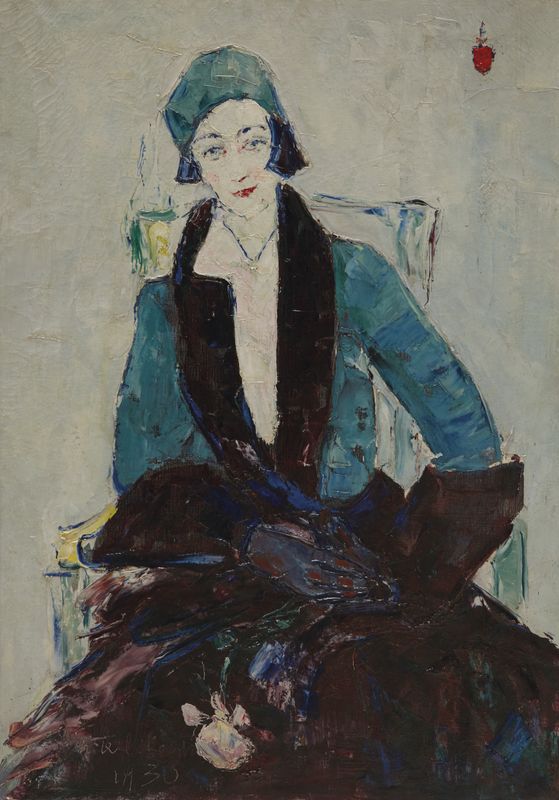
Lot 165. Wladimir de TERLIKOWSKI (Poraj 1873 – Paris 1951)
Jeanne Leygues de Terlikowska
Huile sur toile d’origine
92 x 65 cm
Signé et daté en bas à gauche en sgrafito Terlikowski 1930
Estimate 6,000-8,000 euro
———————————————–
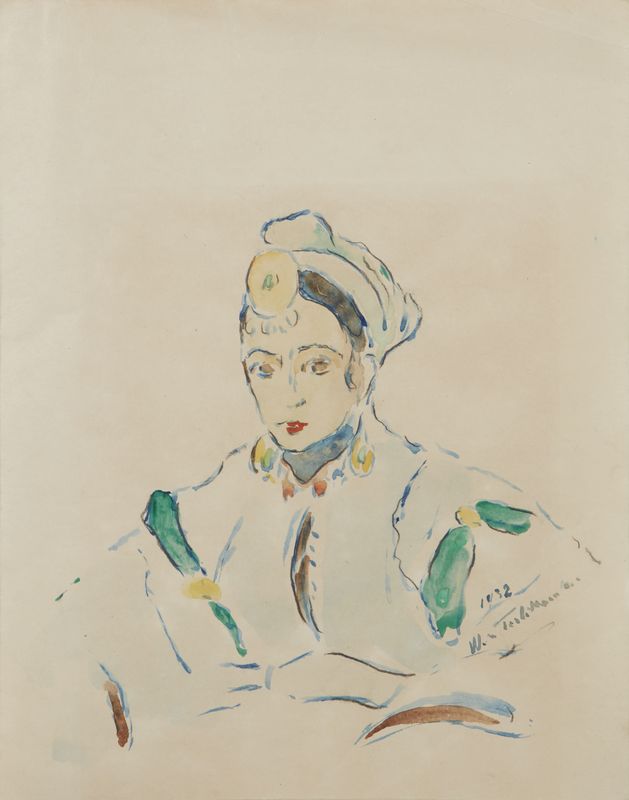
Lot 146. Wladimir de TERLIKOWSKI (Poraj 1873 – Paris 1951)
Jeune femme de Fez
Aquarelle
32 x 25 cm
Daté et signé en bas à droite 1932 W. de Terlikowski
Notre dessin est une des études préparatoires pour le tableau “Jeune femme de Fez” reproduit sous le n° 10 dans l’ouvrage Arsène Alexandre, Terlikowski peintre de Figures, Draeger Frères, 1934.
Estimate 400-600 euro. Millon. 11/20/15
Nierozpoznay przez dom aukcyjny polski artysta.
—————————————————
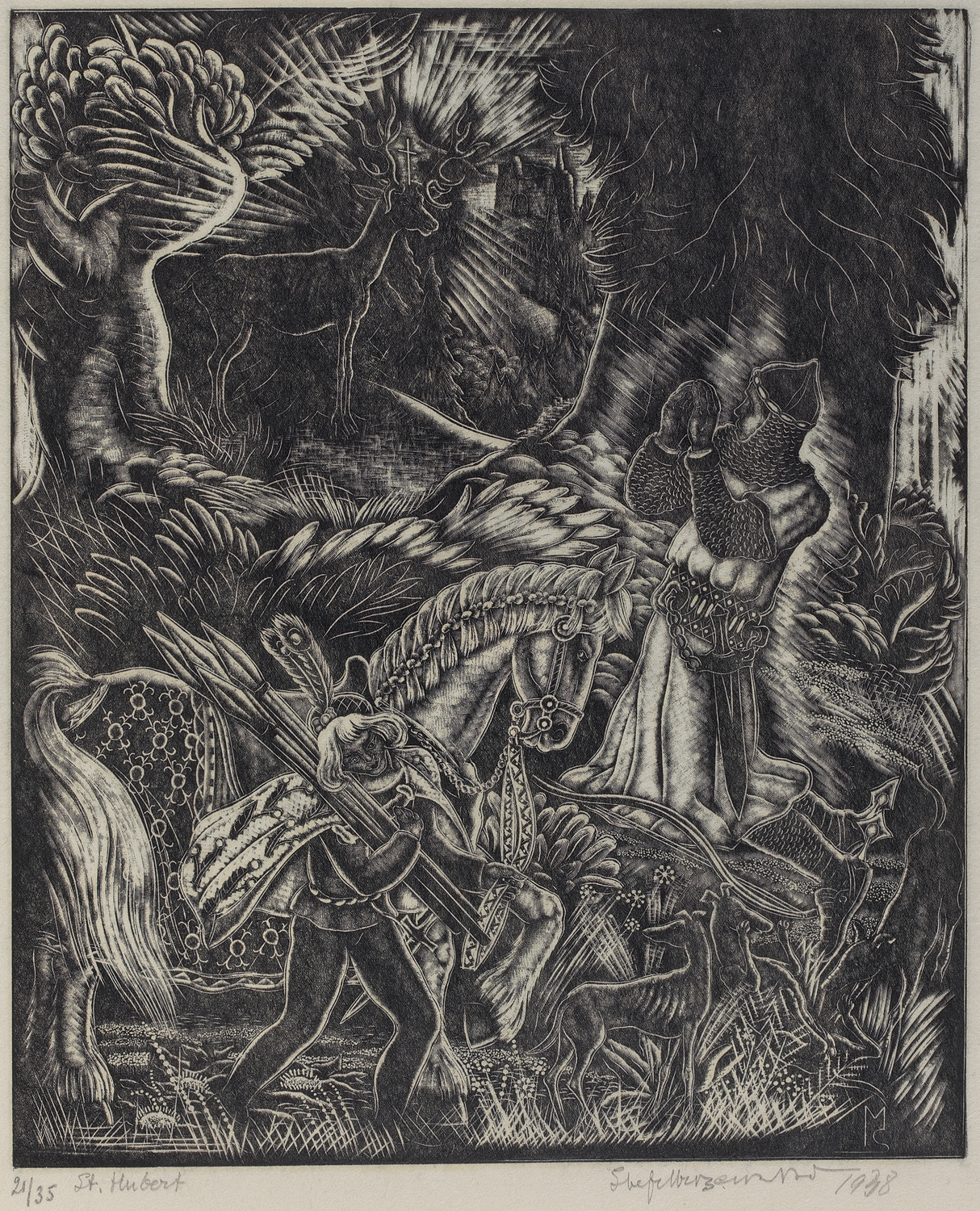
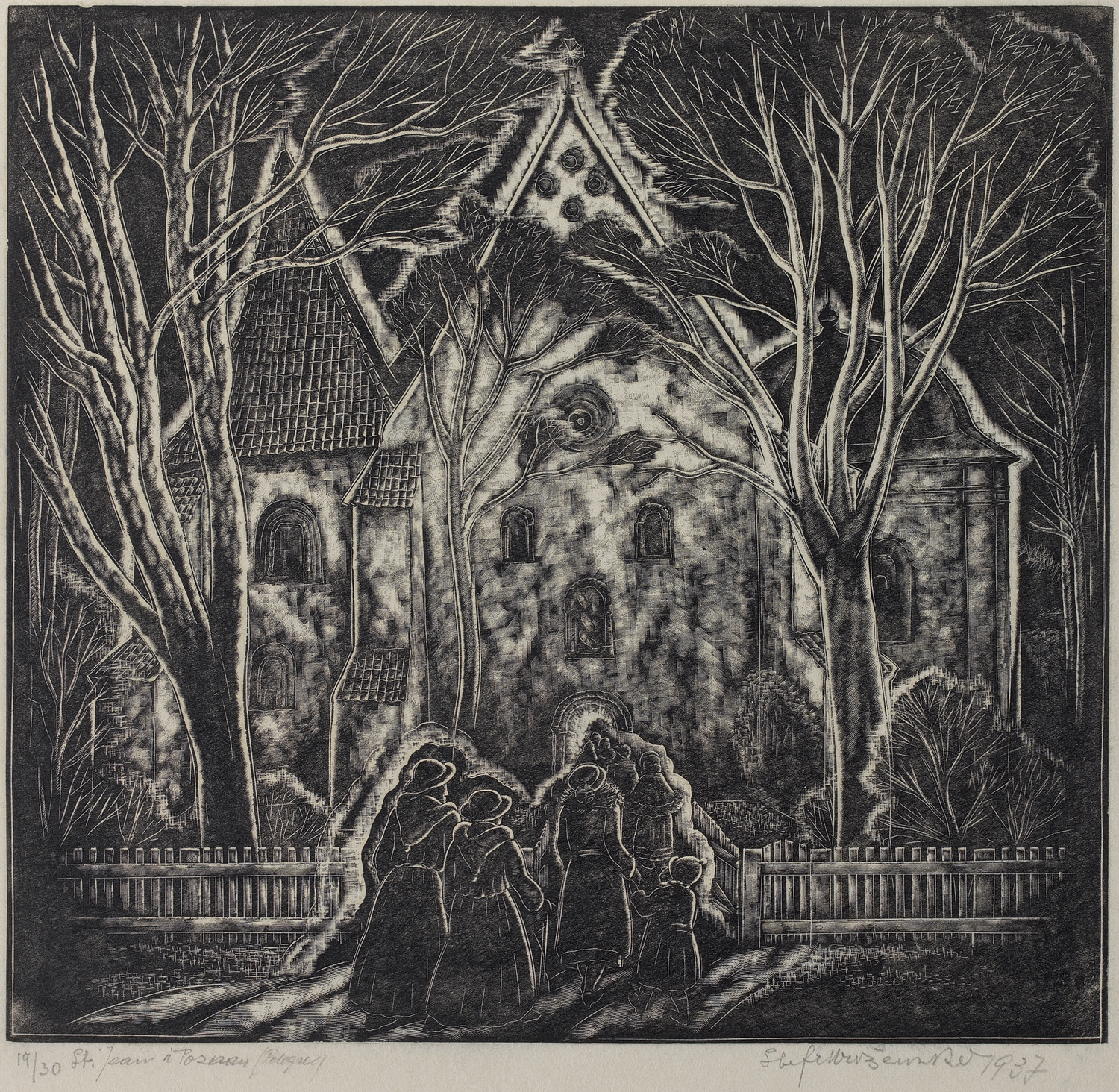
Lot 21. École POLONAISE du début du XXème siècle :
SAINT HUBERT, 1938 – SAINT JEAN À POZNAN, 1937.
Deux bois gravés sur papier Japon, signatures illisibles, datés en bas à droite, titrés et numérotés 21/35 et 19/30 en bas à gauche.
53 x 42 cm et 42 x 53 cm.
Estimate 80-120 euro. Delvaux. 11/16/15
CC
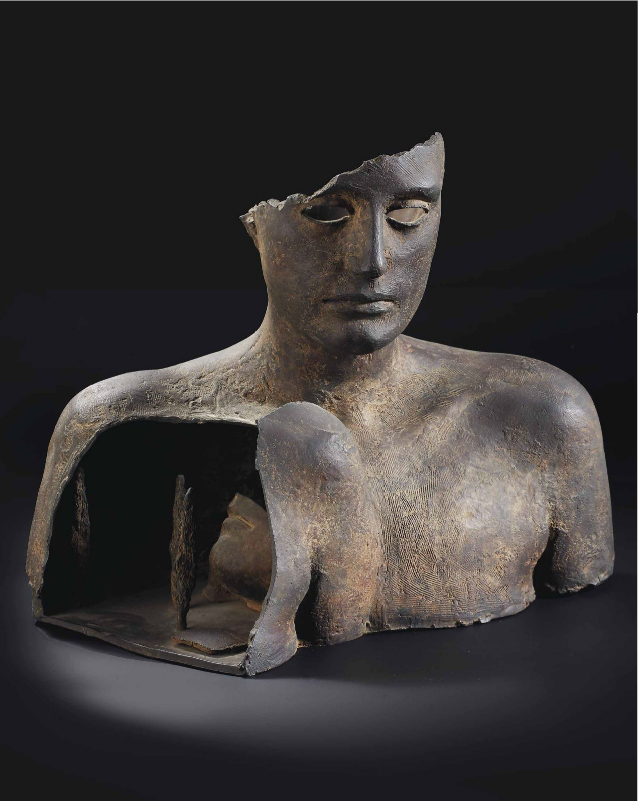
Lot 40. Igor Mitoraj (1944-2014)
Giardino del cuore
with foundry mark ‘Cera Persa Venturi Arte Bologna’ (on the back)
bronze with a brown patina
35 cm. high.
Conceived and cast in 1989, this work is unique
Estimate €20,000 – €30,000, Christies. 12/1/15

Prawdopodobnie praca tego malarza o tej tematyce, o tym wymiarze płótna i o tej cenie może się znaleźć raczej w muzeum a nie w prywatnej kolekcji. Trzeba jednak zwrócic uwagę w opisie na słowa ‘another version‘ (moje wytluszczenie). Co to znaczy i co to ewentualnie może oznaczać za te pieniądze? Warto również zwrócić uwagę na mnogość słów w opisie a niczego o proweniencji TEGO konkretnie płóna, ani jednego słowa o proweniencji. Dlaczego?
——————————————————–
Lot 18. KOTARBINSKY, VASILY (1849-1921). Roman Orgy, signed, inscribed Roma and indistinctly dated 189?. Oil on canvas, 166 by 221 cm.
Related literature: For another version of the present lot, see G. Romanov,A. Muratov, Zhivopis russkogo salona (1850–1917 gg.). Entsiklopediya, St Petersburg, Zolotoi Vek/Sankt-Peterburg Orkestr, 2004, p. 321, illustrated.
The painting offered here at auction, entitled Roman Orgy, is a version by Vasily Kotarbinsky of the best-known historical composition that he created. According to the 1899 catalogue of the State Russian Museum, a variant of this picture of truly monumental proportions (300 by 500 cm) was in the museum’s first collection, having been acquired from the Imperial Academy of Arts in 1898 using funds provided by Nikolai II. There is another, somewhat scaled-down, version in the collection of Donetsk Art Museum.
There are other, similar examples in Kotarbinsky’s oeuvre addressing the very same subject matter. These are not rare and, as with Aivazovsky and Semiradsky, they are linked to a desire on the part of patrons in the highest circles of St Petersburg society to have their own versions of their favourite works in the Imperial Museum.
Naturally, in addressing a well-known theme and reproducing elements that already existed, the artist introduced certain variations to the composition to give the new canvas individuality and allow particular details to be further developed. So, by comparison with the painting in the Russian Museum, this version has a better portrayal of the old man with the gold coins, and several characters have also been added in the background. There are additional changes to the appearance and pose of the last passenger in the boat, the angle of the cymbals held by the musician and the angle of the girl’s head in the foreground.
In the main, however, the painting remains unchanged: it has a captivating variety and interplay of textures – naked bodies, fabrics, feathers, flowers, water, a variety of poses, unique use of tiers in the composition, and masterly depiction of objects. The centre of the composition is a group of sculptural beauty: a patrician Roman in a dark cloak standing by a balustrade (possibly, the Emperor Nero) next to a half-naked Roman woman and a girl with a fan and bowl.
The scene is given its theatricality and great artistic expressiveness by the idealised figures draped in classical garb, their classical profiles and sculptural poses. Another protagonist of the picture is the warm light of an impending sunset, which embellishes everything in gentle, peach-coloured tones and envelops the composition in a romantic haze that lends it a certain sense of enigma.
This effect of light, conveyed with technical perfection, subtlety and a multitude of nuances, as well as the harmonious way in which tones are combined – from rosy fulvous to deep blue – constitutes one of the main virtues of the work, which comes across as a large decorative panel.
It is no secret that the events and the characters of Ancient Greece and Ancient Rome remained a source of inspiration for Kotarbinsky throughout his life. Devoting himself to the study and reproduction of the history and way of life of antiquity, the artist would often portray on canvas the environment, clothing and utensils of that time with archaeological accuracy. Arriving in Italy for the first time in 1868, Kotarbinsky became irrevocably enchanted with the Eternal City. He lived in Rome for many years, and even when he subsequently returned to Russia and worked in St Petersburg and Kiev, he remained, as before, a “captive” to the beauty of the southern Italian sun, and the luxuriance of the landscape and colours that characterised it, providing such abundant material for creativity.
Kotarbinsky was one of Nicholas II’s favourite artists. He was admired by his contemporaries, compared to Genrikh Semiradsky and Pavel Svedomsky, called the Russian Alma-Tadema and eulogised for the astonishing mastery and fineness of his painting, the beauty of his composition and draughtsmanship and the poetic grace of the subjects he painted. His talent for turning any subject into a vision of beauty, for conveying the delight and sweet remembrance of humanity’s “golden times” was in extraordinary demand at the time.
The painter recreated not so much the history of antiquity but rather the legends associated with it. It goes without saying that Kotarbinsky was not original in his choice of subject matter. As a rule, he borrowed subjects that had already been interpreted by other artists, but dealt with them in his own way and often with no less success. In Munich, Wilhelm von Kaulbach was acknowledged as the master when it came to scenes from the life of Nero, whereas in London the Dutchman Lawrence Alma-Tadema remained the luminary of the Neo-Greek style, with his painting of a banquet in the time of Augustus entitled Roses of Heliogabalus (1888). The Bacchanalian feasts and orgies of Nero and Tiberius were also an attraction for Kotarbinsky’s fellow countrymen. Henryk Sienkiewicz’s novel Quo Vadis came out in 1896, whereas Semiradsky’s Roman Orgy in the Illustrious Time of the Caesars (1871) and Orgy in the Time of Tiberius on the Island of Capri (1881), and Svedomsky’s Orgy (1883) and Buried in Flowers (1886) appeared even earlier.
In all these canvases the world of antiquity is presented as eye-catching spectacle involving many human figures, or as beautifully idyllic scenes and dramas of no less ravishing a nature. The tradition of antiquity is perceived by Kotarbinsky and his contemporaries as the origin and basis of European civilisation, and addressing this subject allows artists and their followers to feel they are not Poles, Russians or Romans, but Europeans in the broad sense of the word – people who are part of a common human history.
Estimate 550,000-900,000 GBP. MacDougall’s. 12/2/15
OLYMPUS DIGITAL CAMERA
Jest to niewątpliwie kuriosum jakie warto odnotować. Mirosław Bałka to niemłody już narcystyczny ‘artysta’, który z niewiadomych powodów został wywyższony przez polskie środowisko krytyków do rangi jednego z bogów współczesnej polskiej sztuki (głównie rzeźby). Widziałem kiedyś spreżynę przytwierdzona do ściany jaka uchodziła za jego wielkie odkrycie artystyczne. Musi zatem istnieć w Polsce jakiś klan nieudanych profesorów i krytyków, którzy gotowi są promować taką sztukę bo sami również niczego nie osiągnęli i dobrze się czują w takim błotku wzajemnej adoracji.
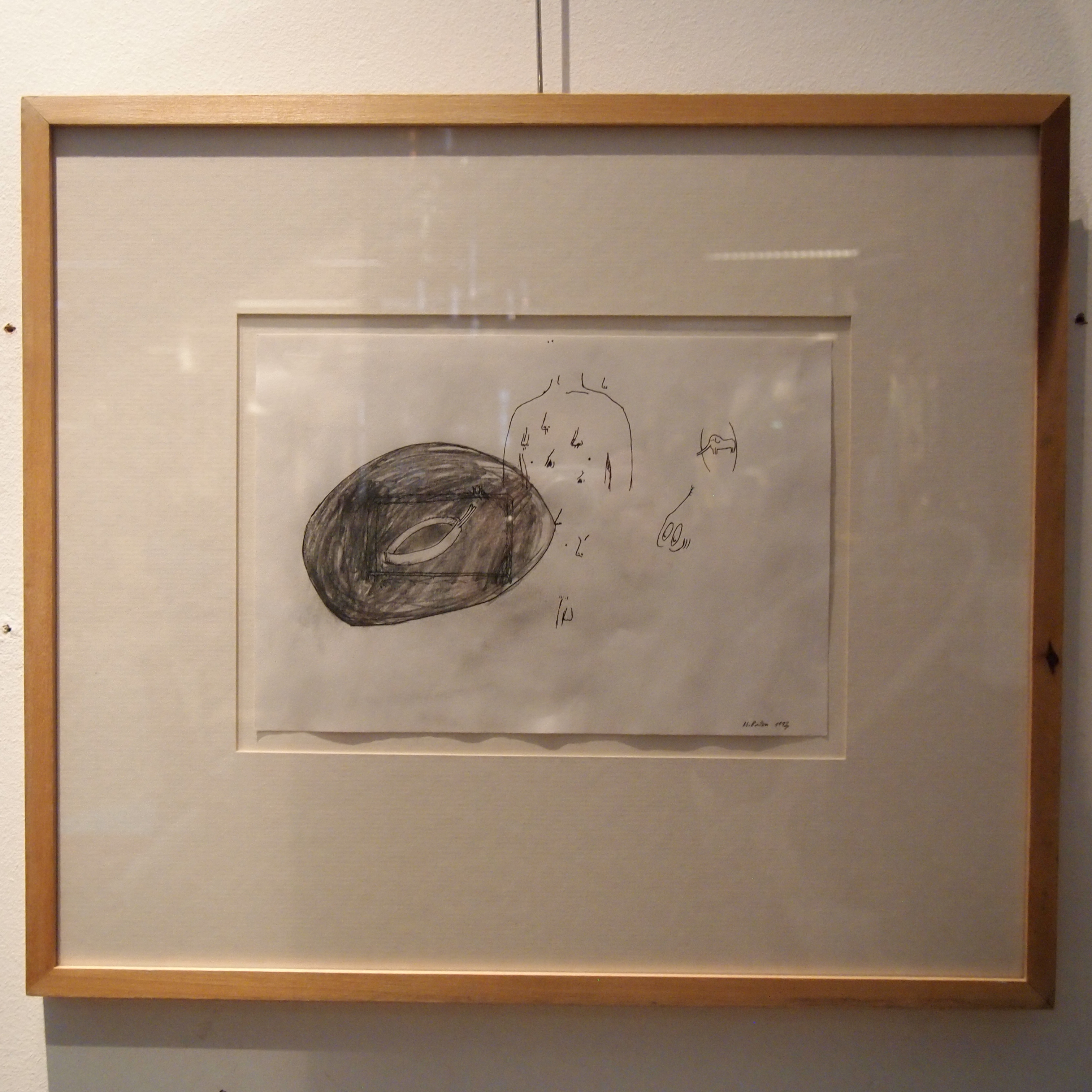
Tym razem na rynku pojawiła się p. Bałki bazgranina na kartce wyceniona na 250 euro. Proszę się przyjrzeć, powiększyc ten kredkowy rysunek i ocenić odkrywczość tej kompozycji. Przypomina mi się natychmiast klasyczna bajka o królu i jego niewidzialnych szatach krojonych przez karawca. Nie jest tupetem dla mnie rysowanie i próba póżniejszej sprzedaży takiej kartki bo nawet takie beztalęcie musi z czegoś żyć. Wielkim nadużyciem i krzywdą jest wmawianie takiemu człowiekowi, że tworzy nową wartość w sztuce. Tyle, że ci co to promują też warci są funta kłaków.
——————————————–
lot 371. Miroslaw Balka (1993): Crayon et bic noir sur papier. ” nostrils”, signé en bas à droite, dim: 20,5 x 29,5 cm. etsimate 250. 300 euro. Bruksela. 11/23/15
 Polish Art Corner