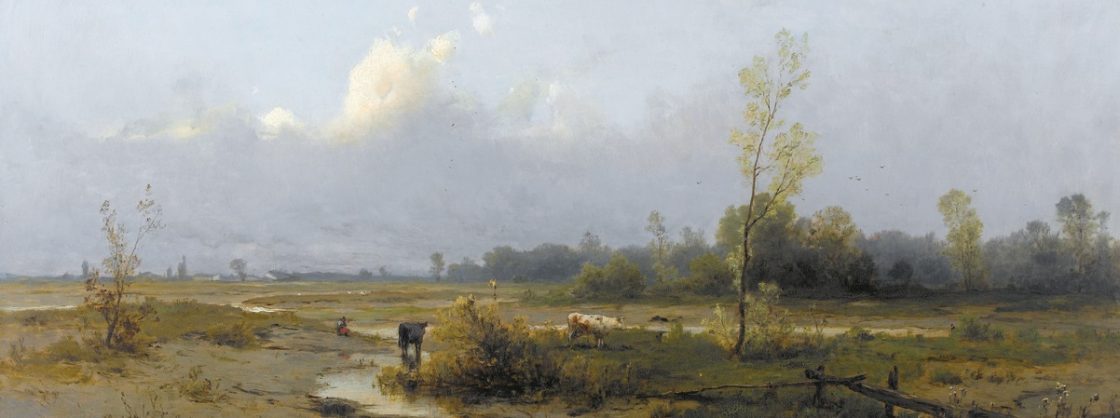

Lot 205. Jan LEBENSTEIN 1930-1999. LONGCHAMPS, 1971. Oil/acrylic on canvas signed and dated lower left, countersigned, titled and dated on back 162.5 x 130 cm. Exhibition: “Jan LEBENSTEIN” ZACHETA, WARSAW APRIL 22 – MAY 22 1992. Provenance : – The current owner’s parents acquired the work directly from the artist. The work has never left the family. – A label from the exhibition “Jan Lebenstein” GALERIE NATIONALE D’ART ZACHETA, with the mention “112 KAT”. Estimate 20,000 – 30,000 euro. Besch Cannes Auction. 12/30/24. Sold 46,000 euro
14 oryginalnych prac Jana Lebenbsteina, przekrój jego twórczości od lat 50-tych do końca lat 80-tych na jednej aukcji. Większość z nich była wystawiana za życia artysty w warszawskiej Zachęcie. Niebywała kolekcja będzie rozparcelowana a tym samym powstała okazja do wzbogacenia własnych zbiorów znakomitymi pracami mistrza Jana. Na aukcji będą licytowane również pojedyńcze litografie artysty jak też teki prac.
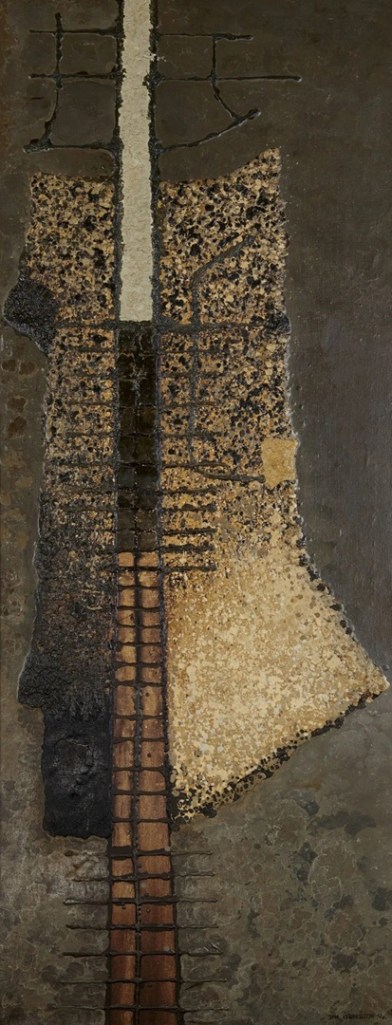
Lot 202. Jan LEBENSTEIN 1930-1999. FIGURE AXIALE N°39, 1959. Oil on canvas, signed and dated lower right 179 x 68 cm. Exhibitions : – Galerie LACLOCHE PARIS – Jan LEBENSTEIN” GALERIE NATIONALE D’ART ZACHETA, WARSAW 22 APRIL – 22 MAY 1992. Provenance : – Former C. WORMSER collection – Sale Neuilly, Me G. IONESCO, June 20, 1988 – Private collection, this work has remained in the family to this day. – A label from the “Jan Lebenstein” exhibition ZACHETA. Estimate 20,000 – 25,000 euro. Sold 42,000 euro
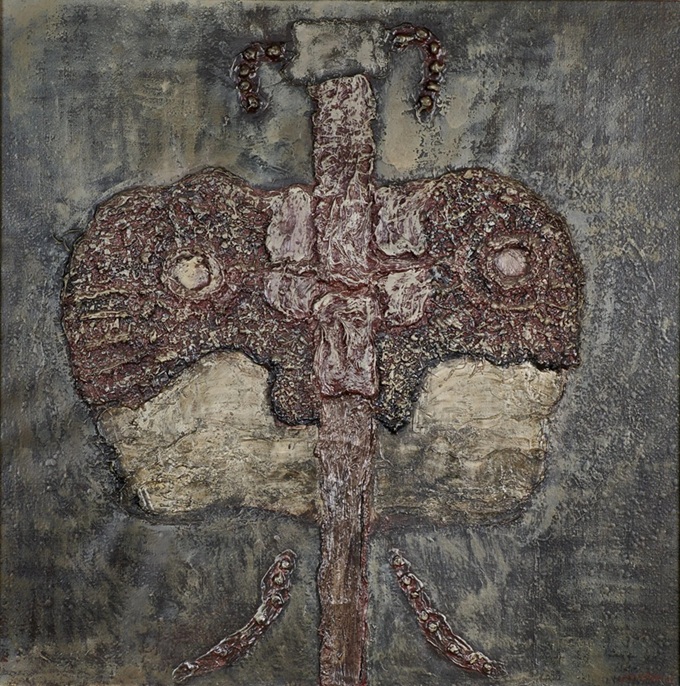
Lot 201. Jan LEBENSTEIN 1930-1999. FIGURE AXIALE N°140, 1962. Oil on canvas signed and dated lower right, countersigned, titled and dated on back 80.5 x 80.5 cm. Exhibition: “Jan LEBENSTEIN” ZACHETA, WARSAW APRIL 22 – MAY 22 1992. Provenance : – The current owner’s parents acquired the work directly from the artist. The work has never left the family. – A label from the “Jan Lebenstein” exhibition ZACHETA. Estimate 12,000 – 15,000 euro. Sold 31,500 euro
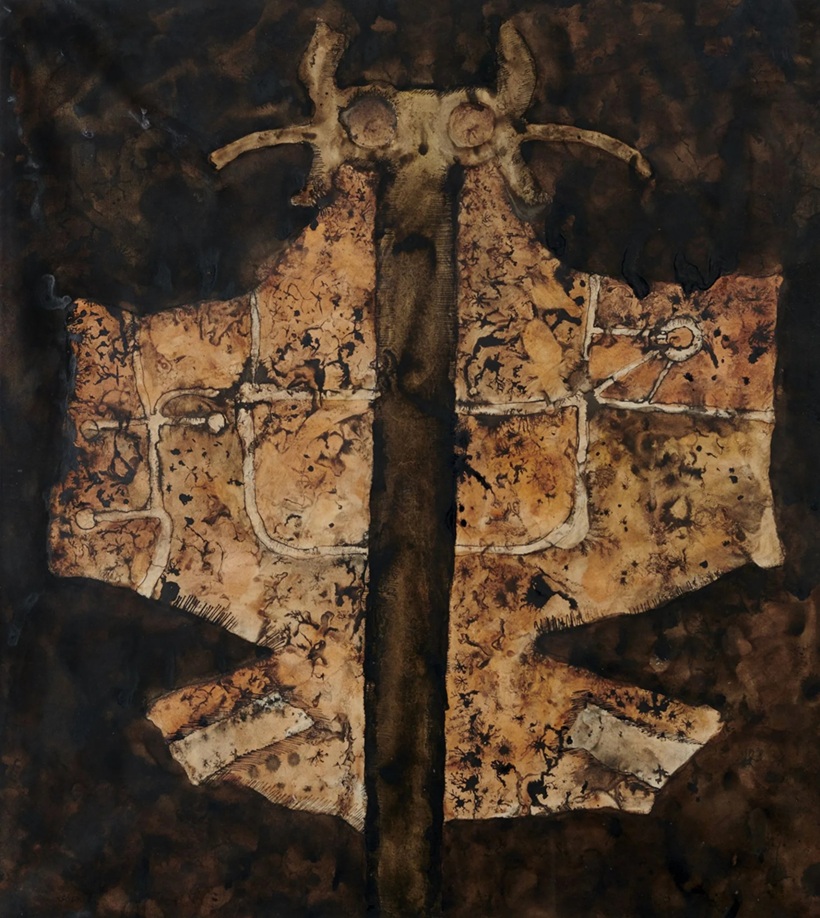
Lot 192. Jan LEBENSTEIN 1930-1999. AXIAL FIGURE, 1960. Watercolour, gouache and Indian ink, signed and dated lower left 80 x 64 cm. Provenance: Private collection of a couple of close friends of the artist, which has never left the family to this day. Estimate 4,000 – 6,000 euro. Sold 9,300 euro
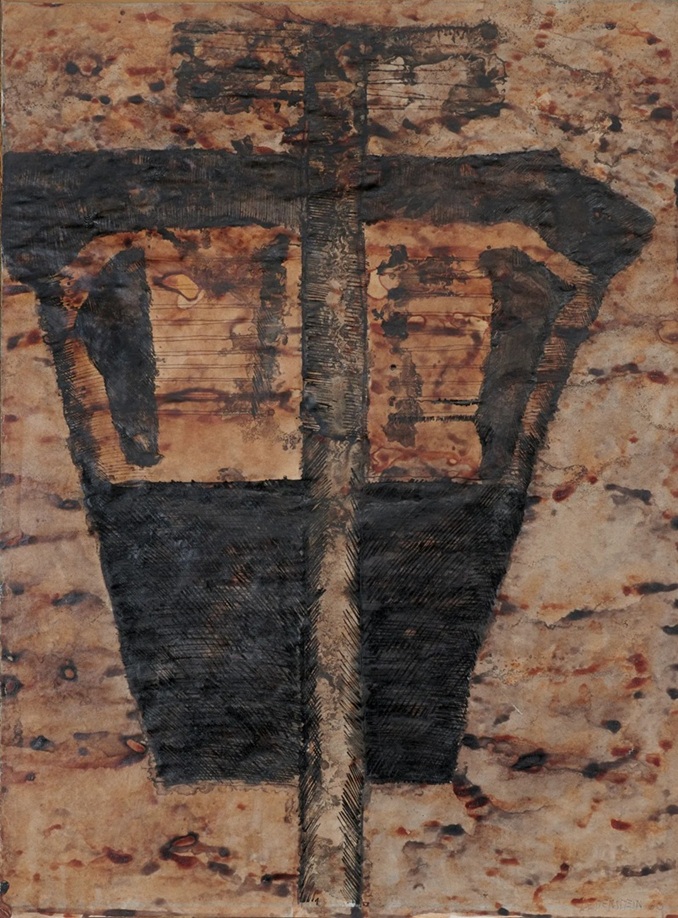
Lot 189. Jan LEBENSTEIN 1930-1999. AXIAL FIGURE, 1960. Watercolour, gouache and Indian ink on paper, signed and dated lower right 61 x 45 cm. Provenance : Private collection of a couple of close friends of the artist, which has never left the family to this day. Estimate 2,000 – 3,000 euro. Sold 4,200 euro

Lot 199. Jan LEBENSTEIN 1930-1999. AXIAL FIGURE, 1955. Watercolor, gouache and India ink on graph paper, signed and dated lower left. On the back: stamp of Galerie LAMBERT .Sight: 75.5 x 35 cm .Provenance : Private collection of a couple of close friends of the artist, which has never left the family to this day. Estimate 2,000 – 3,000 euro. Sold 4,500 euro
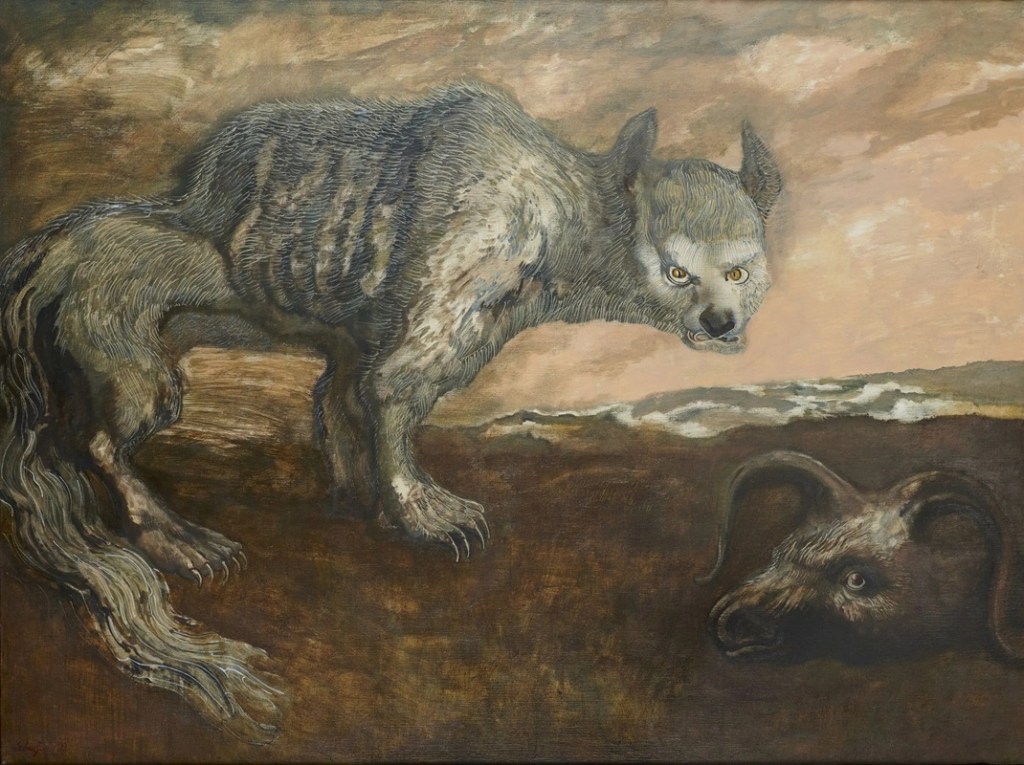
Lot 204. Jan LEBENSTEIN 1930-1999. LUPUS SUM, 1989. Oil on canvas signed and dated lower left, countersigned, titled and dated on the back with the words “format 97 x 130”. 90 x 130 cm. Exhibition: “Jan LEBENSTEIN” ZACHETA, WARSAW APRIL 22 – MAY 22 1992. Provenance : – The current owner’s parents acquired the work directly from the artist. The work has never left the family. – A label from the exhibition “Jan Lebenstein” GALERIE NATIONALE D’ART ZACHETA. Estimate 8,000 – 12,000 euro. Sold 31,000 euro
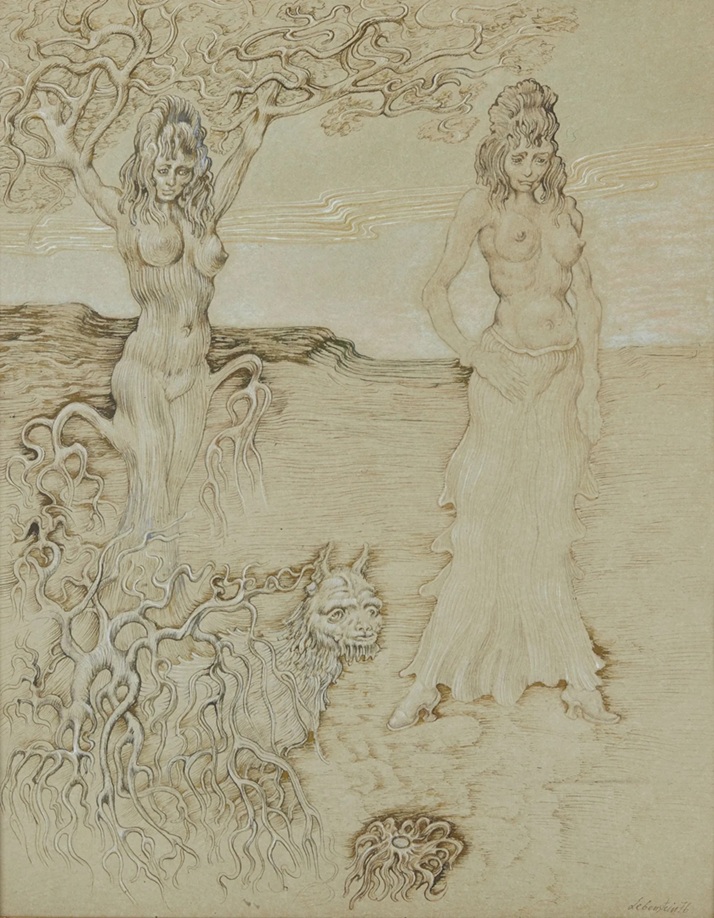
Lot 188. Jan LEBENSTEIN 1930-1999. DAPHNEA, 1976. Gouache, pastel and India ink signed and dated lower right, countersigned, titled and dated on the back 70 x 50 cm Provenance : Private collection of a couple of close friends of the artist, which has never left the family to this day. Estimate 2,000 – 3,000 euro. Sold 4,200 euro
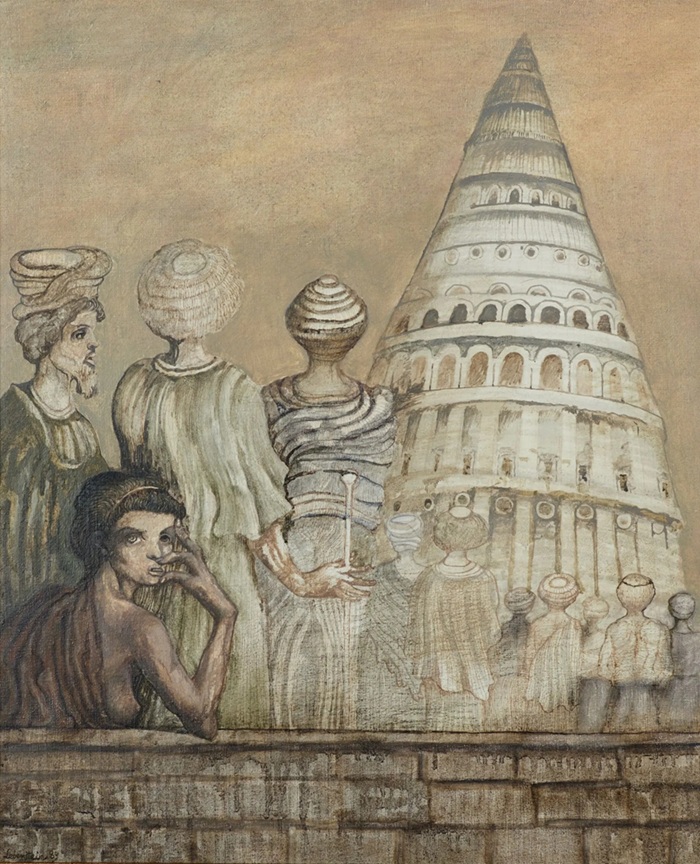
Lot 203. Jan LEBENSTEIN 1930-1999. THE TOWER OF BABEL, 1989. Oil and mixed media on canvas, signed and dated lower left, countersigned, titled and dated on the back with the words “format 61 x 50 – huile + technique mixte”. 61 x 50 cm. Exhibition: “Jan LEBENSTEIN” GALERIE NATIONALE D’ART ZACHETA, WARSAW 22 APRIL – 22 MAY 1992. Provenance : – The current owner’s parents acquired the work directly from the artist. The work has never left the family. – A label from the exhibition “Jan Lebenstein” GALERIE ZACHETA with the handwritten mention “135 KAT”. EStimate 6,000 – 8,000 euro. Sold 9,200 euro
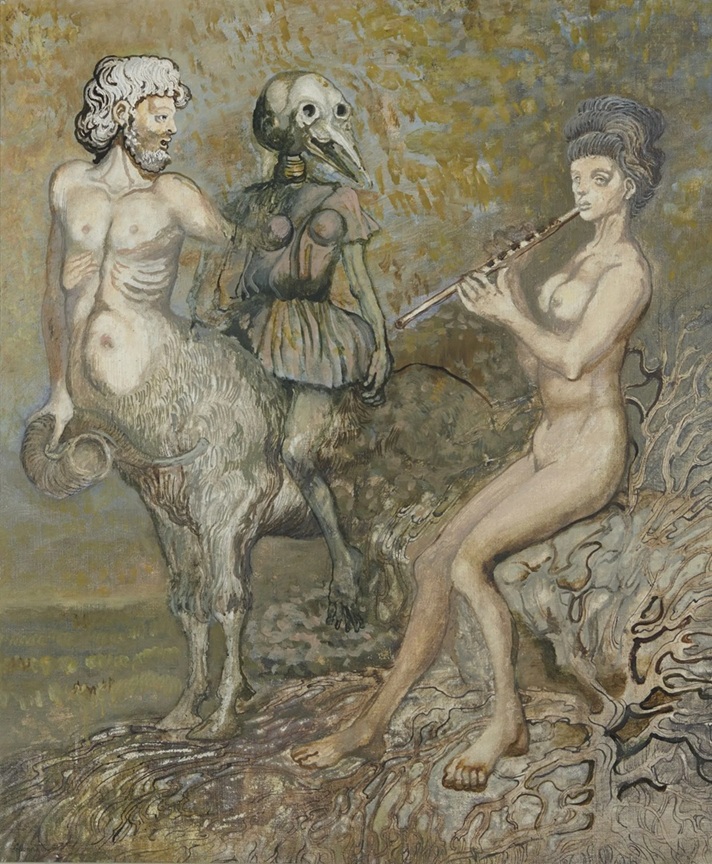
Lot 191. Jan LEBENSTEIN 1930-1999. CENTAUR GALANT, 1989. Oil on canvas signed and dated lower left, countersigned and dated on back 65 x 54 cm. Provenance : Private collection of a couple of close friends of the artist, which has never left the family to this day. Estimate 4,000 – 6,000 euro. Sold 9,000 euro
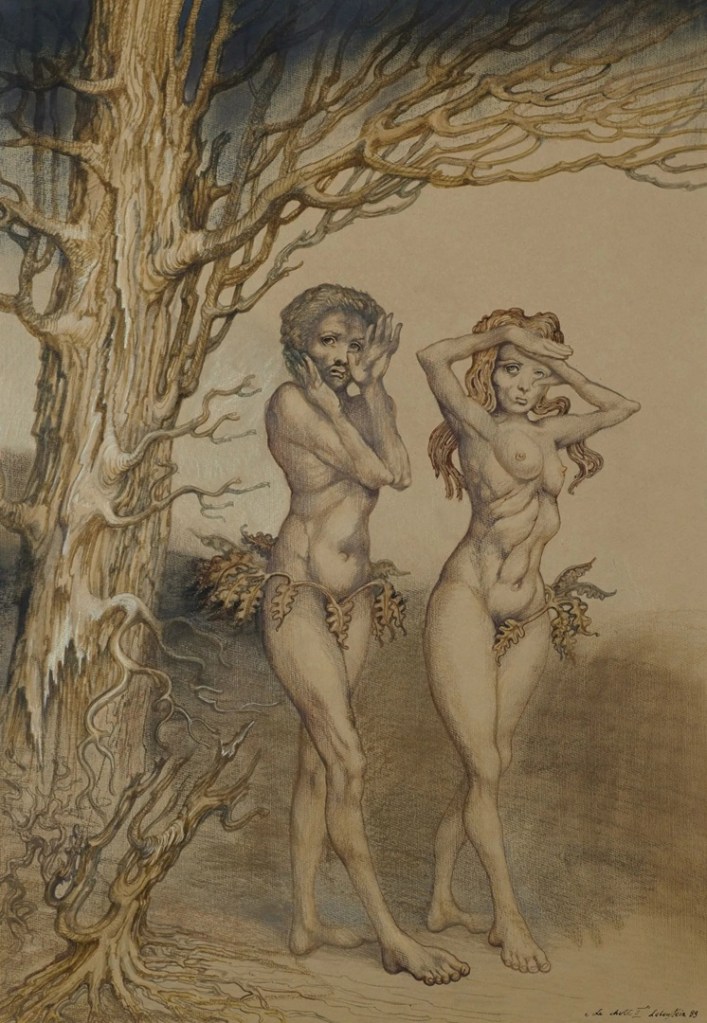
Lot 187. Jan LEBENSTEIN 1930-1999. LA CHUTE II, 1989. Gouache, pastel, Indian ink on paper, titled, signed and dated lower right, countersigned and dated on back 100 x 70 cm. Part of the “ADAM AND Eve” series. Provenance : Private collection of a couple of close friends of the artist, which has never left the family to this day. Estimate 2,000 – 3,000 euro. Sold 5,000 euro
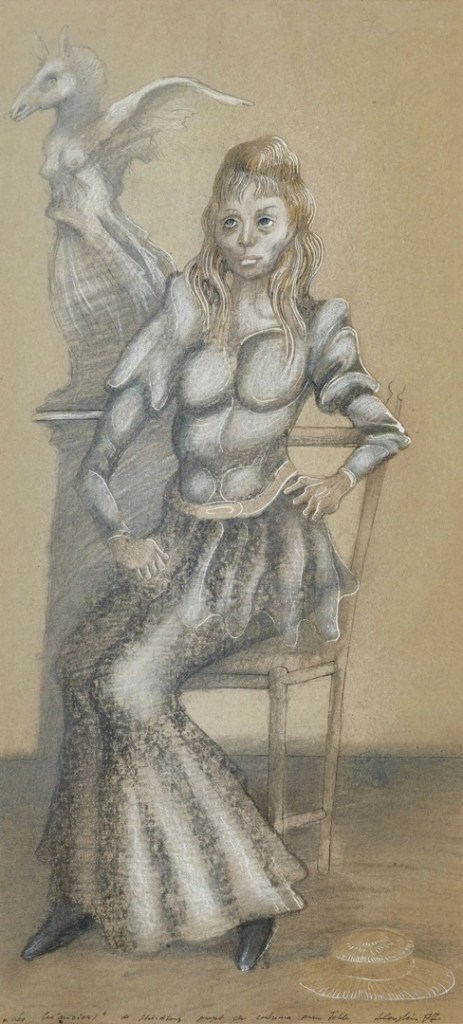
Lot 190. Jan LEBENSTEIN 1930-1999. LES CRÉANCIERS de STRINDBERG, costume design for the role of TELKA, 1977. India ink, pastel and gouache on paper, signed, titled and dated at bottom, titled “TELKA” at top right 68 x 31 cm. Provenance : Private collection of a couple of close friends of the artist, which has never left the family to this day. History: “The Creditors”, a play written in 1888 by Swedish author August Strindberg, is a masterpiece that explores themes of the complexity of human relationships. TELKA, an attractive young woman, is the heroine. Estimate 2,000 – 3,000 euro. Sold 2,500 euro
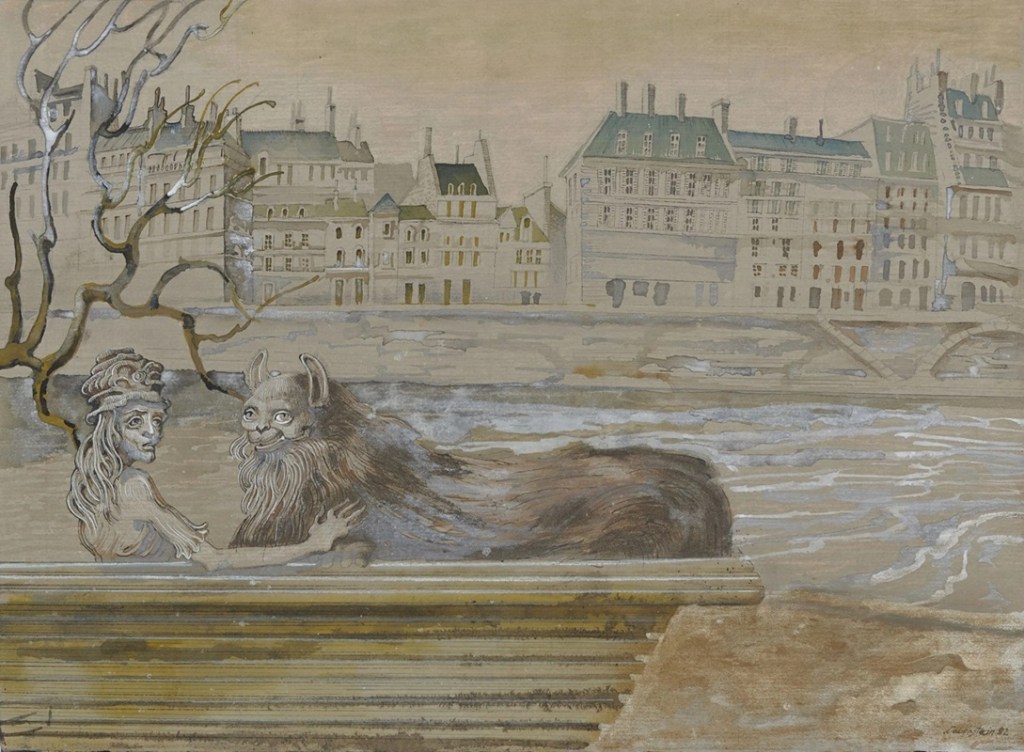
Lot 189. Jan LEBENSTEIN 1930-1999. AU BORD DE LA SEINE, 1982. Gouache, pastel and Indian ink on paper, originally mounted on glass panel 48.2 x 66 cm. Provenance : Private collection of a couple of close friends of the artist, which has never left the family to this day. Estimate 1,000 – 1,500 euro. Sold 4,200 euro
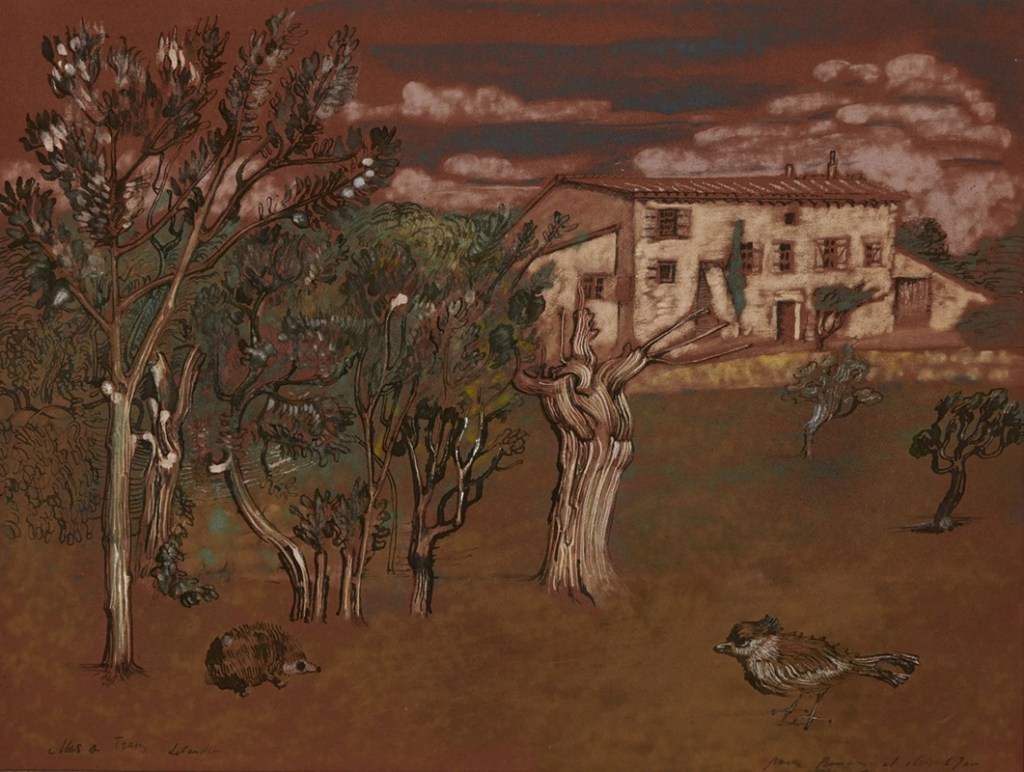
Lot 200. Jan LEBENSTEIN 1930-1999. LE MAS À TRANS, November 2, 1977. Gouache, pastel and India ink on cardboard, signed and titled lower left, dedicated and dated “Jan pour Barbara et Michel”. 50 x 65 cm. Provenance : Jan LEBENSTEIN offered this work to Mr. and Mrs. M. in gratitude for having received him at their property in TRANS-EN-PROVENCE during a summer stay. Estimate 1,000 – 1,500 euro. Sold 2,800 euro
 Polish Art Corner
Dzień dobry
Przez fakt, że olej/akryl zatytułowany “LONGCHAMPS” z 1971 r. otwierający ten wpis na P.A.C. został zakupiony przez rodziców aktualnego sprzedającego i poza jedną wystawą w 1992 r, nie był pokazywany publicznie znany był dotychczas tylko z reprodukcji “W ODMIENNEJ KOLORYSTYCE” (!!) -załączam i w takich barwach został zamieszczony w opracowaniu ” Jan Lebenstein” kwiecień-maj 1992 Galeria Zachęta, Warszawa [katalog z wystawy] oraz jak o ilustracja do artykułu Ś.P. Maciej Parowskiego readatora naczelnego miesięcznika “Nowa Fantastyka” 12/1992 “Jan Lebenstein- Nadobnisie, koczkodany,Chimera i bestia“
https://fantlab.ru/blogfiles/b50742/img/10?r=1502355712
Motyw kobiety i zwierzęcia lub bestii (chtonicznej tzn. podziemnej) w tym np. byka jest w historii sztuki i ogólnie cywilizacji ludzkiej bardzo stary.
Jednym z pierwszych przedstawień w sztuce tego motywu jest wyobrażenie w mitologii mezopotamskiej bogini wojny i miłości Isztar (2350-2150 BC).
https://katethulumysterycave.com/2020/07/27/mythology-monday-ishtar-literally-goes-to-hell/
W tradycji greckiej był to motyw porwania bogini Europy.
Europa and the Bull in the Princeton University Art Museum. Greek, South Italy or Sicily, ca. 475-450 BC Painted terracotta.
https://www.greeka.com/crete/heraklion/myths/europa/
Paestum Red-Figure Chalice Krater Signed by Assteas, Europa on the Bull, 370-360 BC, Museum of Sannio, Benevento, Italy. Pinterest. Detail.
https://www.dailyartmagazine.com/europa-in-focus-rape-and-rebirth/
Motyw kobiety i zwierzęcia lub bestii w tym również właśnie ww. byka w twórczości Jana Lebensteina pojawił się już w latach 60.
J. Lebenstein “Bez tytułu”, lata 60 -te XX w.
https://onebid.pl/pl/malarstwo-wspolczesne-jan-lebenstein-1930-1999-bez-tytulu-lata-60-te-xx-w/261233
“POSTACIE FANTASMAGORYCZNE”, 1962 r.
https://galeria.agraart.pl/autor/156/jan-lebenstein
“Tajemnica zielonego pokoju” 1963 r.
https://onebid.pl/pl/%D0%94%D1%80%D1%83%D0%B3%D0%B8-Jan-LEBENSTEIN-19301999-Tajemnica-zielonego-pokoju-1963/175336
Kobieta na koziorożcu – Bonne année!, 1963 r.
https://wejmangallery.com/pl/oferta/580-jan-lebenstein-bonne-annee
Od ww. było już tylko krok do kontynuacji tego połączonego wątku z pracy olejnej “LONGCHAMPS” z 1971 r w serii do 100 odbitek, kolorowych LITOGRAFII , papier – 41.5 cm x 31 cm (wersja ZIELONA I NIEBIESKA) Jan Lebenstein | “Longchamps” (“sic!”) z 1972 r. wchodzących w skład teki : Elverio Maurizi, „Lebenstein et les siens”, Casa Editrice La Nuova Foglio, Pollenza IX 1972 (wydawnictwo bibliofilskie, zawiera 44 reprodukcje, 8 oryginalnych litografii, nakład 600 egz.)
https://rempex.com.pl/wydarzenia/19-45-aukcja-sztuki-wspolczesnej/przedmioty/752-zestaw-8-prac
https://polishmodernart.wordpress.com/author/jkkfinearts/
W tym litografia “Longchamps” (“sic!”) z 1972 r. była zamieszczona na plakacie do wystawy Jana Lebensteina w Muzeum Narodowy we Wrocławiu w 1977 r.
https://pragaleria.pl/oferta/plakat-do-wystawy-jana-lebensteina/
Z kolei motyw siedzących postaci- bestii- siędziów – widzów? z dołu pracy olejnej “LONGCHAMPS” z 1971 r. został przetworzony min. w obrazie olejnym Jan Lebenstein,
“Second rang”, 1974, akryl, olej na płótnie, 60×73 cm
https://pgs.pl/zycie-przemija-a-sztuka-trwa-kolekcja-marii-i-marka-pileckich/
oraz na wielu litografiach.
Inne prace z motywem kobiety oraz zwierzęcia/bestii.
J. Lebenstein, “Kobieta i bestia”/konik morski?
“Weekend” 1972 r.
https://onebid.pl/pl/grafika-i-rysunek-jan-lebenstein-weekend-1972/2530076#img
By w końcu wprost nawiązać do motywu antycznego porwania Europy i Byka
“PORWANIE EUROPY”, 1982 r.
https://onebid.pl/pl/malarstwo-wspolczesne-lebenstein-jan-porwanie-europy-1982/324196#img
Motyw kobiety jadącej na bestii pojawią się też na witrażach Jana Lebensteina w kościele pallotynów w Paryżu, będących ilustracją Mistrza do księgi Apokalipsy. Owocem pracy był witraż stworzony nie ze szkła a poliestru. Historyk sztuki, prof. Andrzej Pieńkos jest zdania, że technikę tę zaprezentowała artyście Alina Szapocznikow podczas Jej pobytu w Paryżu.
https://polskifr.fr/polska-we-francji/gustaw-herling-grudzinski-i-jan-lebenstein-na-francuskiej-ziemi/
https://polonika.pl/polonik-tygodnia/apokalipsa-wedlug-jana-lebensteina
Estymacje dosyć wysokie, więc okazyjnego zakupu nie będzie. W Polsce dość duży wybór prac autora, a zainteresowanie bardzo umiarkowane. Prowizja domu aukcyjnego wysoka plus koszt wysyłki.
Niezupełnie. Prace Lebensteina z tej aukcji są bardzo dobre i mamy wyjątkową ich selekcję, ceny wyjściowe prawdopodobnie będą poniżej widełek estymacyjnych, większość była wystawiana w Zachęcie a można się wybrać po nie samochodem. Polskie ceny prac Lebensteina są niskie jeśli porównamy np. do prawie bezwartościowych papierowych dekoracyjnych wydruków Tamary Łempickiej (ostatnia aukcja w Desie-Unicum) wycenianych do 70,000 PLN (ca 16,000 euro). Faktem jest, że spora liczba prac Jana Lebensteina była oferowana już na rynku polskim i może jest on nimi nasycony. Należy jednak poczytać o tym artyście, zrozumieć okres twórczości danej pracy, porównać do podobnych z tego samego okresu i wtedy przeanalizować. Większość jego prac znajdujących się w Polsce była przewieziona z zachodu na handel i to pewnie w okresie gdy cokolwiek sprzedawało się ze 100% zyskiem. Nadal wiele znakomitych jego prac znajduje się w prywatnych kolekcjach na zachodzie, nidgy nie były wystawiane a są rewelacyjne. Nie należy patrzeć przez pryzmat oczu handlarza, tj., że coś opłaca się czy nie opłaca się kupić lecz pryzmat oczu kolekcjonera.
Ceny nie są tragiczne. Jeśli pójdą za wywołanie to moim zdaniem całkiem niezła opcja.
W albumie z Zachęty nie ma wszystkich wystawionych na tej aukcji prac – nie ma LUPUS SUM i THE TOWER OF BABEL