Piotr Michałowski (1800 – 1855)

Michalowski
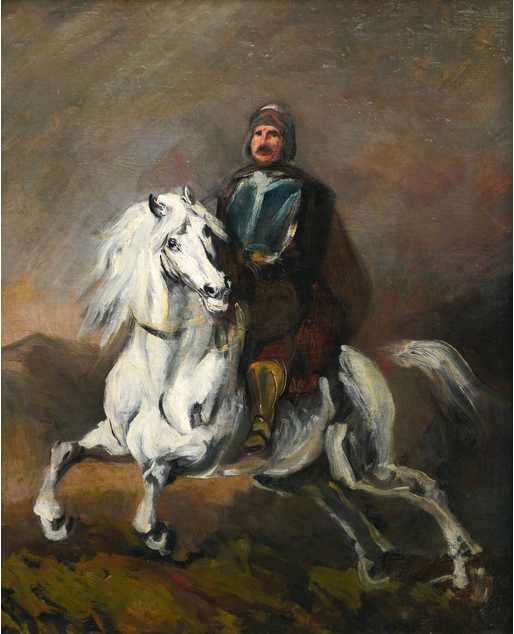
Piotr Michałowski. A VALIANT KNIGHT

The best value one can get for the money.


Lot 46. Piotr Michalowski 1800 – 1855 POLISH. A VALIANT KNIGHT; oil on canvas, 70.5 by 58cm., 28 by 23in. Provenance: Private collection, Poland (acquired from the artist; thence by descent to the present owner). Exhibited: Cracow, National Gallery, Piotr Michałowski. 1800 – 1855, 2000. Estimate 40,000-60,000 GBP. Sothebys. 12/16/15 (niesprzedany)

Władysław Czachórski (1850 – 1911)

Czachorski

Time for Christmas presents. Gentlemen, open your wallets!

————————————————————–

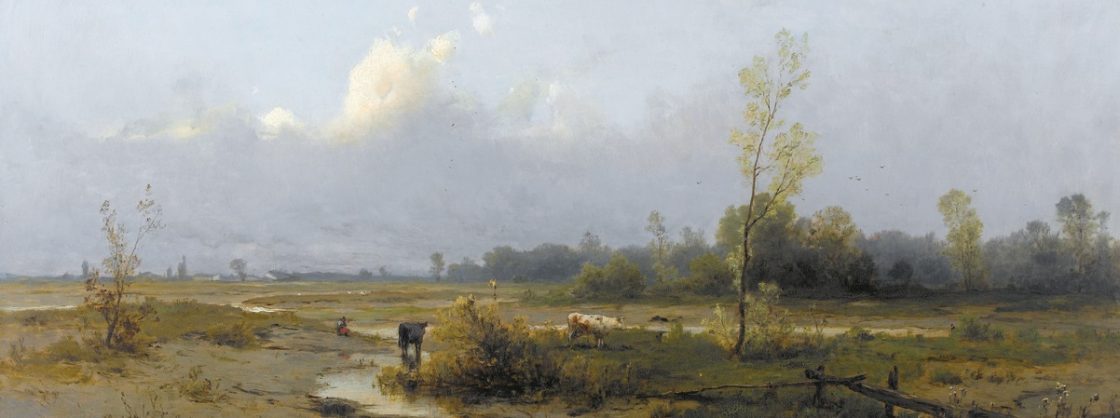
Lot 5. Wladislaw Czachorski 1850-1911. POLISH
A MOMENT OF REPOSE

signed and dated Czachorski 1890 upper right, oil on canvas, 54.5 by 74.5cm, 21½ by 29¼in.

Estimate 100,000-150,000 GBP. Sothebys. 12/16/15

Provenance

Prinzregent Luitpold Karl Joseph Wilhelm Ludwig von Bayern (according to an old German auction house label on the stretcher; Luitpold Prince Regent of Bavaria (1821-1912) was the de facto ruler of Bavaria from 1886 to 1912, due to the incapacity of his nephews, King Ludwig II and King Otto.)
Purchased in Munich circa 1970 by the family of the present owner; thence by descent

Literature

Henryk Piatkowski, Wl. Czachorski, Monografje Artystyczne, vol. XI, Warsaw, 1927, n. p., illustrated (titled Le Repos)

Catalogue Note

Surrounded by a sumptuous interior, a girl in the prime of youth takes a moment’s rest from her reading. The painting shows Czarchorski at the height of his skills in depicting genre subjects. The rosy flush of her cheeks is played off by the sensuous furnishings, from the silk upholstery of the sofa on which she sits, to the veined marble table top and the gushing blossom, redolent of sophisticated taste and social status. While the girl’s pose and black choker bring to mind Manet’s Olympia, the message could not be more different. While the latter was the ultimate challenge to the conventional depiction of women in art, Czarchorski’s painting plays to refined taste.

Czachorski’s favourite subjects ranged from still lifes to Shakespearian scenes, but he is best known for his detailed illustrations of exquisite aristocratic women in extravagantly appointed interiors. Czachorski began his artistic training at the Warsaw Drawing School at the age of sixteen. After studying for a year at the Dresden Academy and joining the Munich Academy, where he spent five years under the direction of Hermann Anschutz, Alexander Wagner and Karl von Piloty, he won the prestigious Grand Silver Medal upon graduation. Czachorski then travelled throughout Europe, visiting France, Italy and Poland. He settled permanently in Munich in 1879, but continued to exhibit frequently in Poland, in particular Warsaw, Krakow, Lwow and Lodz.
 

Jean Lambert-Rucki (1888 – 1967)

Rucki

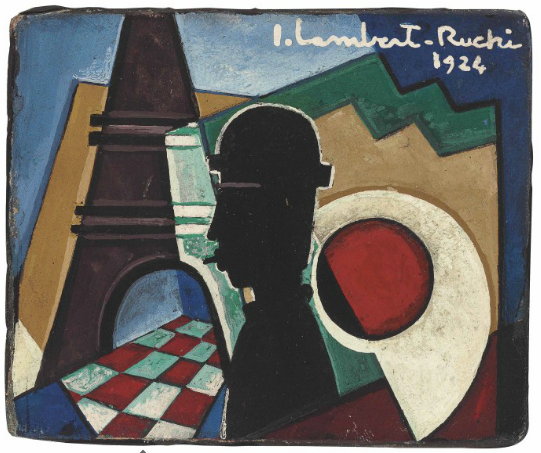
Lot 207. JEAN LAMBERT-RUCKI (1888-1967)
‘LA TOUR EIFFEL’, 1924
oil on board, painted wood frame
3 ¾ x 3 1/8 in. (9.5 x 8 cm.)
9 x 9 ¾ in. (23 x 24.8 cm.) including frame
signed and dated upper right J. Lambert-Rucki 1924

Provenance: Camard & Associés, Paris, Arts Décoratifs du XXe Siècle, 1 June 2005, lot 87.

Jean Lambert-Rucki was one of a significant number of artists from across Europe drawn to Paris in the years before the Great War by the city’s reputation as the most exciting centre of creativity in the arts. He arrived in 1911 from his native Poland and soon found himself at the heart of a milieu that included Csaky, Miklos, and Modigliani.

Lambert-Rucki worked in various media, though with a consistency of vision that expressed itself in witty figurative subjects, animal and human, rendered, in two or three dimensions in a playful, colourful interpretation of Cubism – as perfectly evidenced in the two paintings in the present collection.

Estimate $8,000-12,000. Christies. 12/17/15

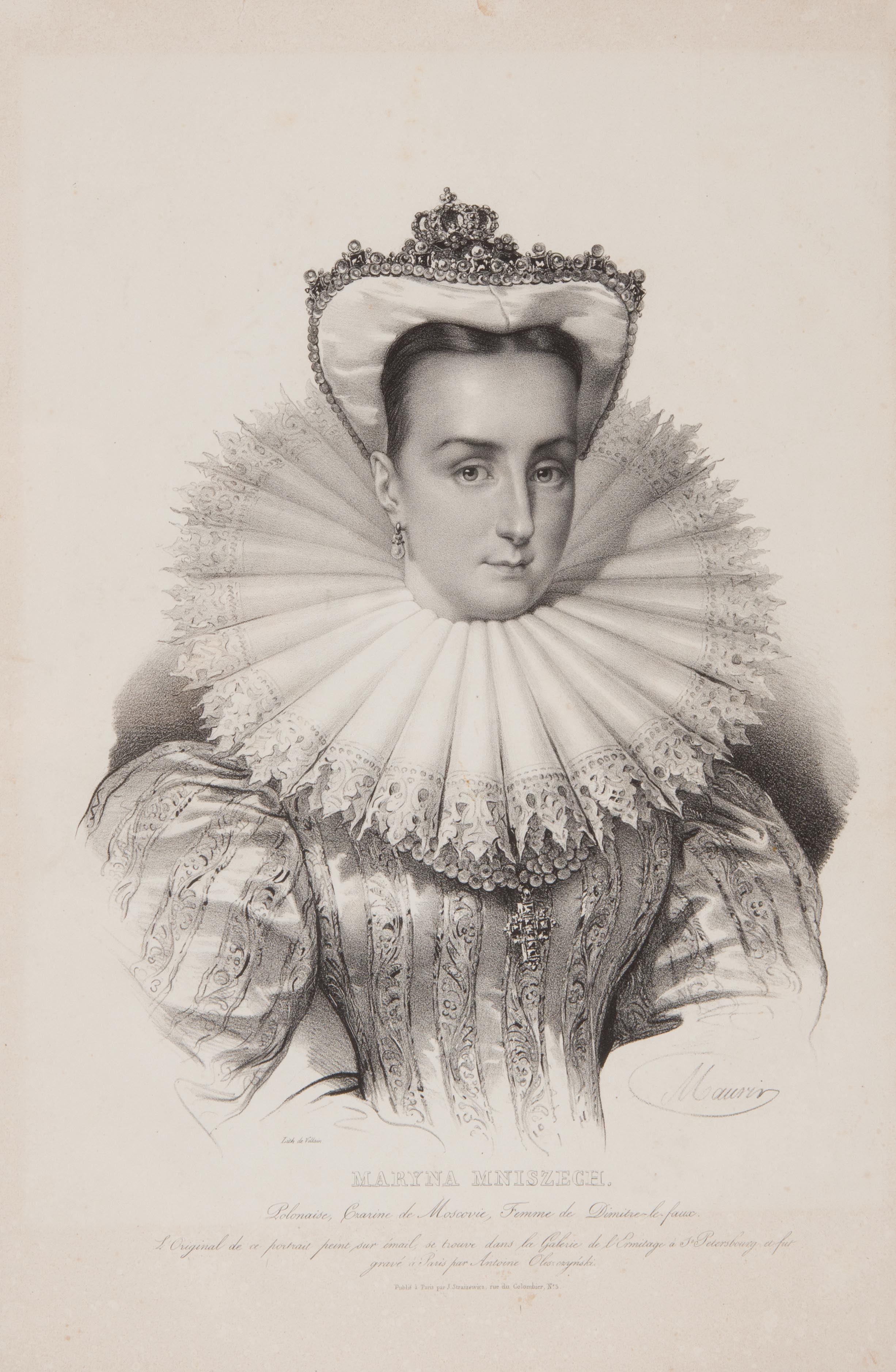
Maryna Mniszech -portret

Mniszech

Lot 4. Portrait de Marine Mniszech (c. 1588-1614/5).
Rare lithographie de Jean-François Villain d’après le dessin de Maurin inspiré de la gravure originale d’Antoine Olesczynski (1794-1879), milieu du XIXe siècle; 49 x 34 cm.

Estimate 200-250 euro. Leclere. 12/8/15

Adam Marczyński (1908 – 1985)

7354a

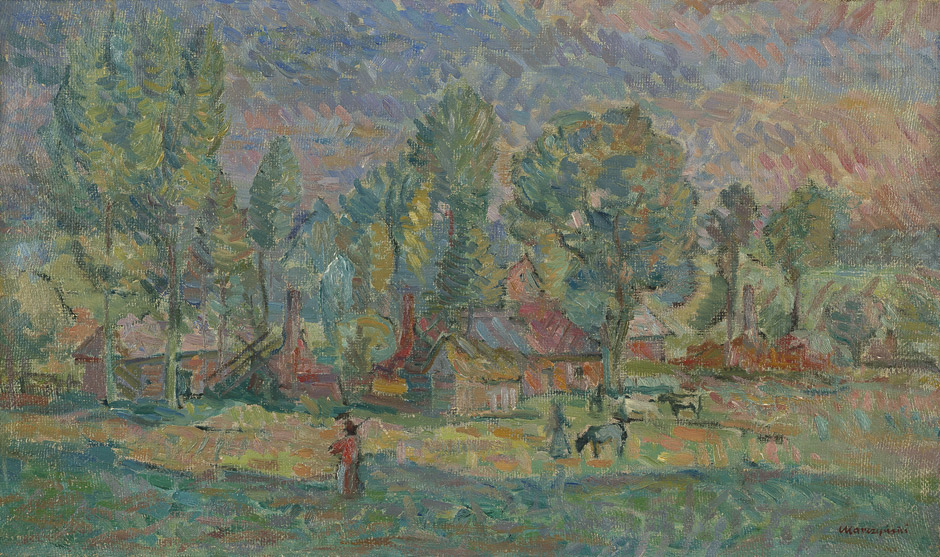
Lot 7354. Marczynski, Adam. Polnische Dorfszene
Öl auf Rupfen. Um 1935.
45 x 76 cm.
Unten rechts mit Pinsel in Rot signiert “Marczynski”.

Der polnische Künstler Adam Marczynski studierte von 1929 bis 1936 an der Akademie der feinen Künste in Krakau bei Wladyslaw Jarocki und Ignacy Pienkowski. Reisen führten ihn 1930 und 1936 nach Paris. Er gründete nach dem Zweiten Weltkrieg die Krakauer Gruppe (II) neu, nachdem er zuvor mit der Krakauer Gruppe in engem Kontakt gestanden hatte. Marczynski malte in den 1930er Jahren in einem Mischstil aus Kubismus und einer polnischen Variante des Post-Impressionismus, dem sogenannten Kolorismus. Hierfür steht unser schönes, in warmen Farben gehaltenes Ölbild beispielhaft. Nach dem Krieg wird seine Malerei sehr abstrakt. Verso mit einem polnischen Ausstellungsetikett.

Estimate 1,200 euro. Bassenge. 11/28/15

Jerzy Kossak (1886 – 1955)

Kossak Jerzy

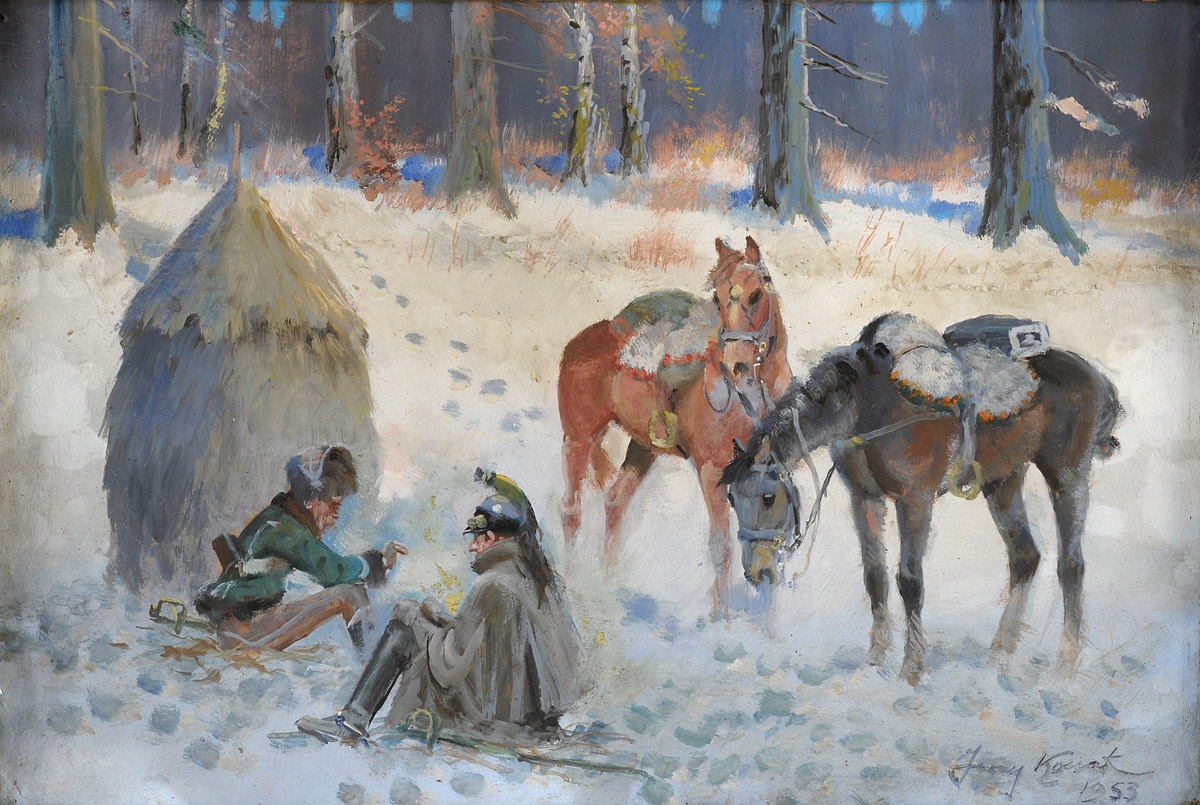
Powtarzany do znudzenia.

———————————————–

Lot 384. Kossak, Jerzy 1890 Krakau – 1955 Krakau Napoleonische Soldaten im Winter. Signiert. Mischt./Malk., 35 x 50 cm.

Reserve 300 euro. Dusseldorfer. 11/26/15

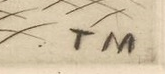
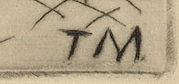
Tadeusz Makowski (1882 – 1932) – zagadka?

Makowski-Dusseldorf

Zagadka dla mnie i dla czytelników bloga.

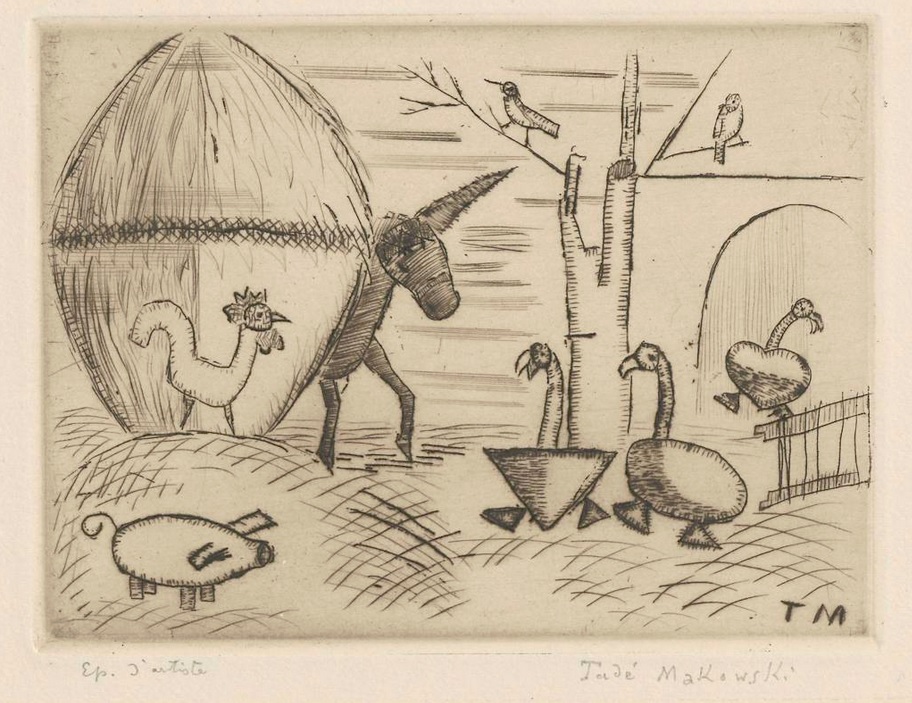
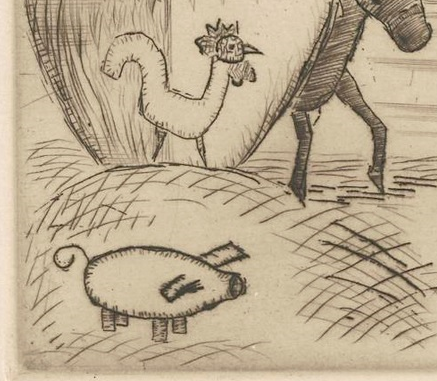
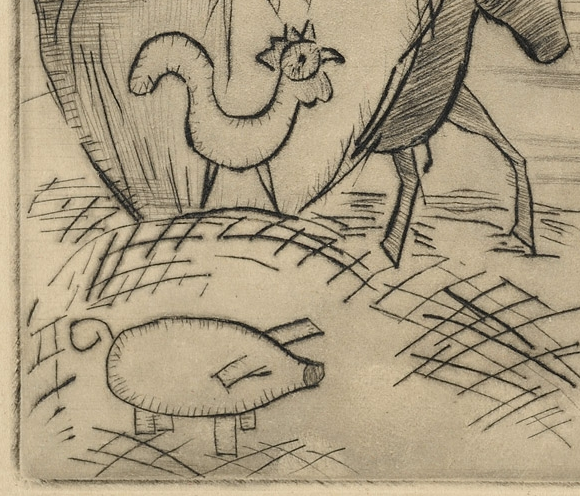
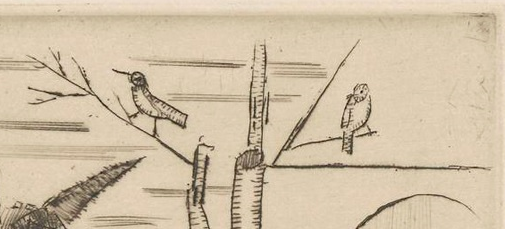
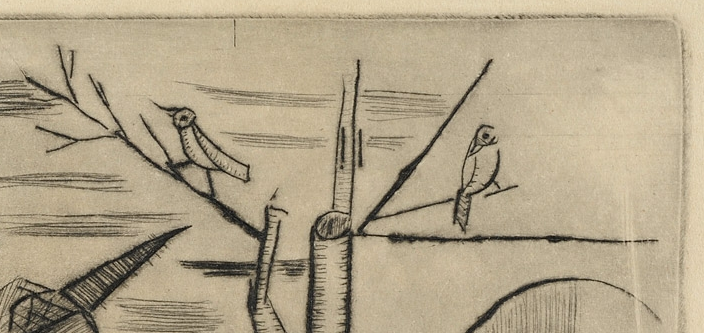
Dom aukcyjny Dusseldorfer Auktionhaus wystawił pracę na papierze Tadeusza Makowskiego noszącą polską nazwę ‘Wiejskie podwórko’ lub ‘Podwórko’. Każda praca Tadeusza Makowskiego jest sporym wydarzeniem (uwaga na licznye falsyfikaty!), włączając oczywiście czasami pojawiające sie różne ‘…grafie’. W tym przypadku jest to tzw. ‘sucha igła’ lub mówiąc w innym języku ‘dry point’. (Estimate 150 euro. Dusseldorfer Auktionhaus. 11/26/15)

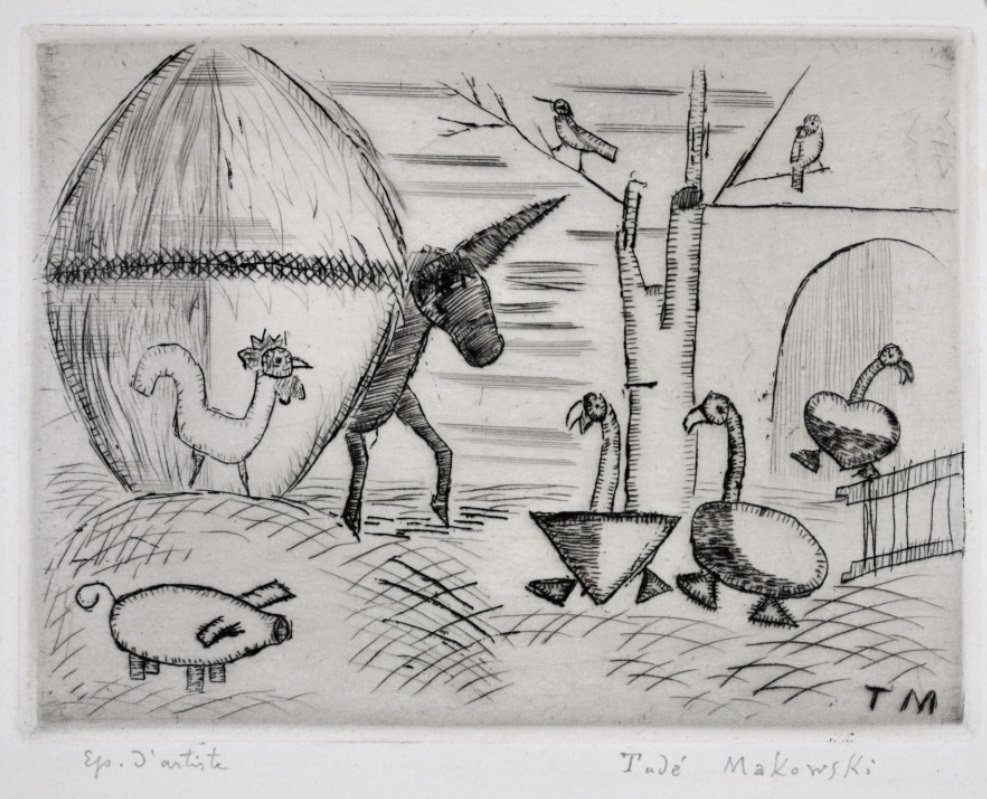
Przeglądając internet można natknąć się w zbiorach Muzeum Narodowego w Warszawie na pracę Makowskiego o tym właśnie tytule (11.8 x 15.8 cm; odcisk płyty) odbitą na kremowym papierze lub papierze jaki zżółkł:

Makowski-MNW

(pracę można powiekszyć na monitorze) a powyżej jest fotografia odbicia płyty:

W bibliotece Uniwersytetu Warszawskiego również znajduje się odbitka tej samej pracy, kopia na białym papierze (kolor papieru może być wynikiem obróbki w Photoshop). Wymiary podane to 28.4 x 38.2 cm są prawdopodobnie wymiarami papieru a nie samej impresji pracy.

http://egr.buw.uw.edu.pl/node/36619

MAkowski-BUW

Porównując je można się przekonać, że obie prace (MNW i BUW) powstały z tej samej płyty.

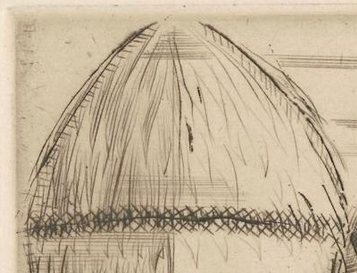
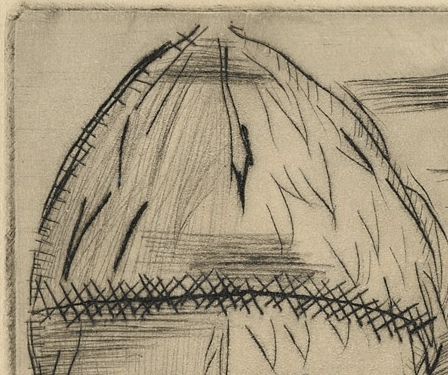
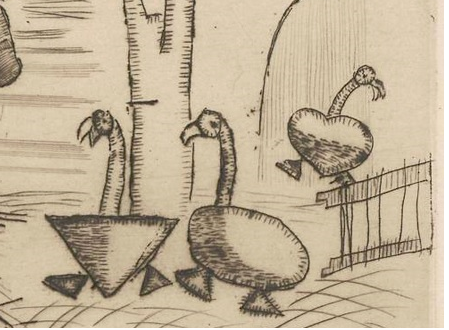
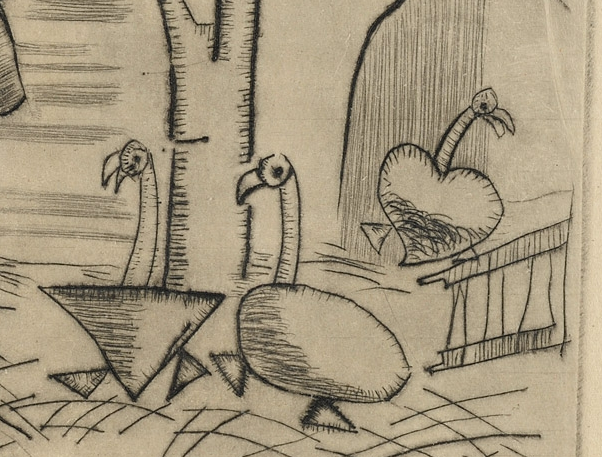
Praca z Niemiec jest inna. Kompozycja jest ta sama ale trudno doszukać się detali występujących na pracach przechowywanych w Polsce. Dla przykłady pozwoliłem sobie podzielić prace Makowskiego (Muzeum Narodowe w Warszawie vs Dusseldorf) na ćwiarki, powiekszyc je dla porównania.

MNW-4

Muzeum Narodowe

Duss-4

Dusseldorf

MNW-1

Muzeum Narodowe

Duss-1

Dusseldorf

MNW-5

Muzeum Narodowe

Duss-5

Dusseldorf

Teraz zagadka. Czy praca z Dusseldorfu jest oryginalna pracą Makowskiego czy też nie jest? Przyglądając się jej nie mam watpliwości, że są to różne linie. W sposób bardzo prymitywny można sie o tym przekonać nakładając na siebie odpowiednie ćwiartki prac o tych samych wymiarach. Różnice w przesunięciach detali widać praktycznie wszędzie a zwłaszcza w figurze środkowej gęsi, której łapy są w zupełnie innych miejscach.

NMW-2

Muzeum Narodowe

Duss-2

Dusseldorf

Ku mojemu zaskoczeniu blog ten jest czytany codziennie przez ogromną grupę osób interesujących się polskim malarstwem. Liczę na opinie i te poważne będę publikował. Przyznam, że niewiele wiem o technice suchej igły mogącej wyprodukować z płyty autorskiej jedynie niewielka ilość dobrych odbitek (podobno ok 30). Co sie wówczas dzieje z płytą? Czy mozna ją ‘podrasować’ i dalej używać i czy to mogłoby wyjaśnić te różnice rysunku? Może ktoś wie czy Makowski skomponował dwie wersje ‘Podwórka’ w suchej igle?

Sygnatury w płycie:

MNW-3

Muzeum Narodowe

Duss-3

Dusseldorf

Adam Styka (1890 – 1959)

Styka-23

Lot 23. Adam STYKA 1890 – 1959. PORTE DE MARRAKECH
Huile sur panneau. Signé “Adam STYKA” et situé “Marrakech” en bas à droite. OIL ON PANEL, SIGNED AND LOCATED LOWER RIGHT: 12,99 x 16,14 in.; h: 33 w: 41 cm

Estimated Price: €6,000 – €8,000 Artcurial. 12/15/15